Theopolis Logo

Writing

Explore our collection of theological essays, biblical studies, and reflections on faith and culture.

See all
sinitta-leunen-dvibhmzsy8e-unsplash
Epistemology

A Cheer for the Mystics

Mystical theologians are often unguarded, extreme, un-nuanced, pressing to the edges of heresy, sometimes beyond. Still, the mystics are worthy of study. Why? Many reasons. Unlike some late medieval and post-Reformation dogmaticians, mystical theologians are often instinctively and richly Trinitarian. Historical-critical approaches to Scripture left mystical theologians virtually untouched; mystics…

by Peter LeithartSeptember 2, 2013
portrait-of-william-shakespeare-1564-1616-ca-1865
Literature

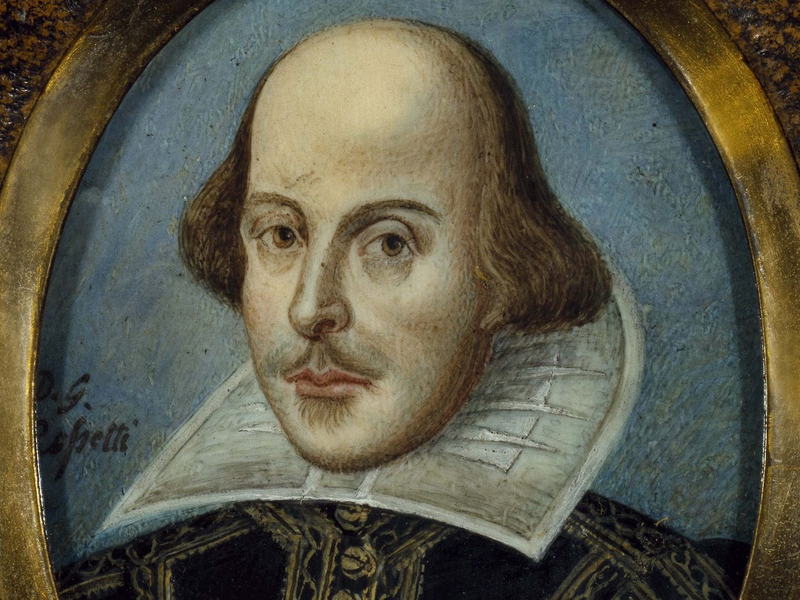
Shadow and Substance in Shakespeare's Venice

Portia of Belmont is a “lady richly left,” as Bassanio says of her in the first Act of The Merchant of Venice . Plus, she’s beautiful and wise. Suitors clamber to Belmont in hope. Her father knew it would be so, and in his will set up a fairy-tale test…

by Peter LeithartAugust 28, 2013
carlo-alberto-burato-smdx3gleu_m-unsplash
Liturgy

Liturgy Traps

[fve]http://vimeo.com/72195198[/fve]

by James B. JordanAugust 26, 2013
screen-shot-2022-05-12-at-12-07-23-pm
Deuteronomy

Victory Food

In the nature of the case, “the” Christian meditation on Deuteronomy 14:1-21 cannot be written. Meditation offers too many possibilities, opens too many doors. There is not one and only one correct set of associations for a Christian to consider when thinking of Deuteronomy 14:1-21. We could, for example, consider…

by Ralph Allan SmithAugust 21, 2013
aaron-burden-1ebsmyrau-s-unsplash
Romans

David's Sin and Israel's Salvation, Part I

Having retold the story of the cumulative sin of Israel leading to the great atonement on the cross, Paul then reemphasizes that, just as both Jew and Gentiles were locked into sin and judgment, now they are both justified by faith: Then what becomes of our boasting? It is excluded.…

by Mark HorneAugust 20, 2013
ben-white-w8qqn1pmqh0-unsplash
Deuteronomy

You are what you eat

Deuteronomy 14 is full of allusions to events of Israel’s history and other portions of Scripture. What would an Israelite learn by mediation on these allusions? The answer, I believe, is at least fourfold. Faith, Worship, War For the ancient Israelite first hearing Moses’ sermon, or perhaps hearing it read…

by Ralph Allan SmithAugust 15, 2013

Showing page 189 of 309

See all

Showing page 13 of 43

See all
Philosophy

Hyper-Cartesians

Walter Truett Anderson suggests that postmoderns may be distinguished from others by the fact that they not only have a culture, but know that they have it. Or, put differently: “You do not choose to be premodern. If you choose, you are at least modern. If you know you are…

November 9, 2006
Politics

Therapeutic politics

Christopher Lasch pointed to the therapeutic dimensions of 1960s radicalism: “Acting out fantasies does not end repressions . . . it merely dramatizes the permissible limits of antisocial behavior. In the sixties and early seventies, radicals who transgressed these limits, under the illusion they were fomenting insurrection or ‘doing gestalt…

November 9, 2006
Politics

PR Politics

Clem Whittaker, a pioneer in the political use of media during the 1930s and 40s, candidly explained his theory of campaigning in a speech to the PUblic Relations Society of America: “There are thousands of experts bidding for every man’s attention - and every man has a limited amount of…

November 9, 2006
History

Pseudo-war

Walter Truett Anderson points to the US invasion of Grenada (1983) as an example of a postmodern public-relations war: “its primary purpose was to give the American public a ‘win,’ to flex the muscles of the Reagan administration, to allow Americans to (in the phrase current at the time) ‘feel…

November 9, 2006

Poet or poem revisited

A reader, Dan Glover, sent the following response to my hints about the Christian as “poem.” “Christ, the eternal Word, indwells his people and his people corporate. He is the Word which controls us with his words (‘go, make disciples . . . baptizing them in the name of the…

November 9, 2006
History

Social Construction

Walter Truett Anderson suggests that postmodernism takes is rise from the recognition of the social construction of reality. This means: The institutions, practices, and habits that make up the contents of social life are made by human beings; and even natural reality is known and experienced through a linguistic and…

November 9, 2006

Showing page 1766 of 2212

Browse by Category

In Medias Res

Your weekly digest for all things Theopolis.

Donate

Theopolis is nearly 100% donor-supported. Consider joining us on our mission.