Theopolis Logo

Writing

Explore our collection of theological essays, biblical studies, and reflections on faith and culture.

See all
sixteen-miles-out-al48tflf4e8-unsplash
Food

Gluttony In The Bible (As Opposed To Gluttony In The American Church)

In the Bible, fatness is such a blessing, that it is especially hard to understand why wicked men are permitted to enjoy such a state. It requires a theodicy and faith in God. Thus: “For they have no pangs until death; their bodies are fat and sleek . They are…

by Mark HorneAugust 12, 2013

jeremy-yap-j39x2xx_8cq-unsplash
How to Worship

Biblical Worship (Video with James B. Jordan)

[fve]http://vimeo.com/71901553[/fve]

by Peter LeithartAugust 8, 2013
chris-bair-ndczc5739ck-unsplash
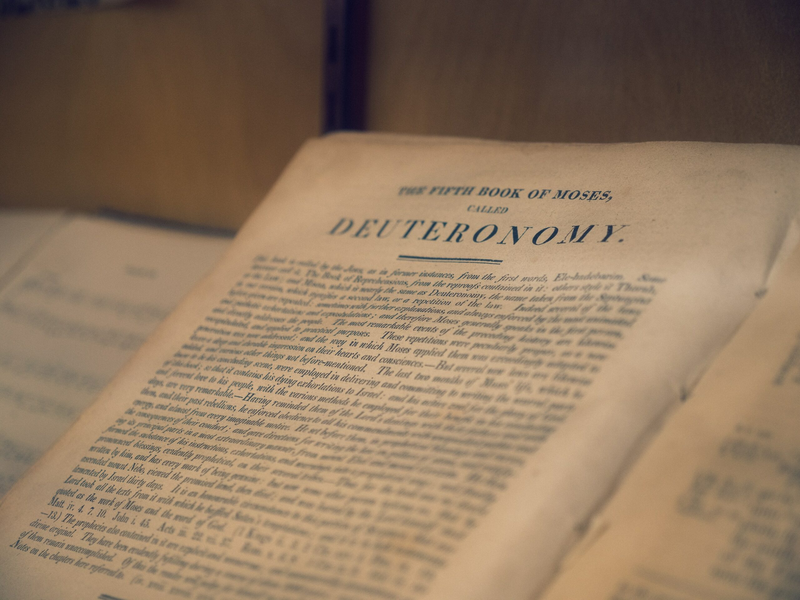
Deuteronomy

Holy Things for Holy People

The allusion to the Exodus story is contained in the first words of Deuteronomy 14:1 — “ye are the sons of Yahweh your God” — as well as in 14:2 in the use of the technical term translated “treasured possession,” “His own possession,” “peculiar people,” “precious people,” and so forth.…

by Ralph Allan SmithAugust 5, 2013
adam-and-eve-in-the-garden-of-eden-wenzel-peter
Deuteronomy

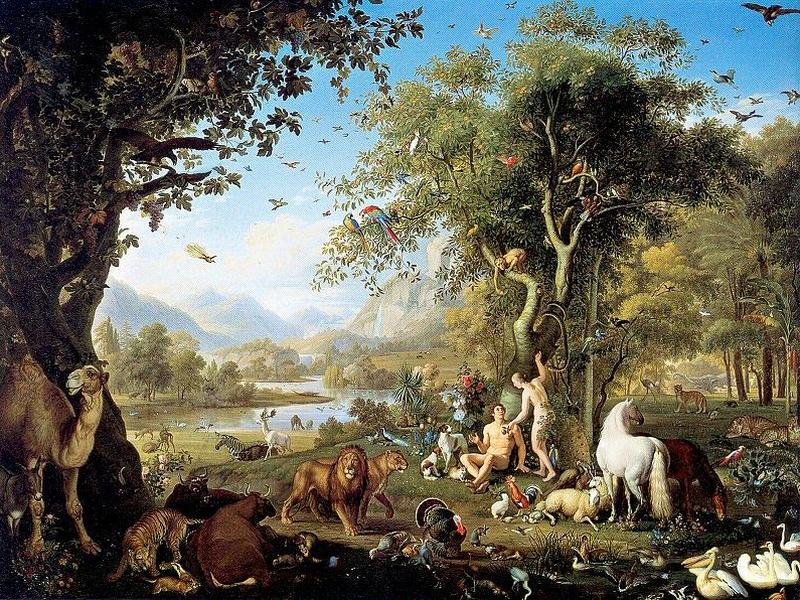
Forbidden Foods

I have argued that Deuteronomy 14:1-21 is an independent literary unit that applies the Third Word to the lives of Israelites from the time of Moses and Joshua. In this short pericope, Moses suggests broad and deep meaning by means of literary allusion to the stories of the creation and…

by Ralph Allan SmithJuly 31, 2013
david-weber-fwuo_zluhnw-unsplash
How to Worship

Pro-Sacramental Reformation

In his recently republished The New Creation , the late, delightful Herbert McCabe defends the priesthood of the plebs as roundly as anyone could want. Citing Hebrews, he claims that "there is an essential difference between the Christian community and the community of the Old Law, or any other religious…

by Peter LeithartJuly 29, 2013
eric-ward-7kqe_8meex8-unsplash
Augustine

Sexual Idolatry

Augustine famously prayed, “Our hearts our restless until they rest in You.” True indeed. Being creatures, we inherently sense our ontological poverty—our innate condition of dependence—and are compelled to find a sense of security. And it is also true—as Augustine’s own narrative painfully illustrates—that one of the things we most…

by Gerald HiestandJuly 24, 2013

Showing page 190 of 309

See all

Showing page 13 of 43

See all
Angels

Angelic Bodies

Paul Griffiths ( Decreation ) ably defends a minority position in the history of theology, namely, that angels are not bodiless, though they are “immaterial.” They are “living creatures with discarnate bodies of energy” (125). To defend this point, he offers this brilliant little analysis of the meaning of “matter”…

March 24, 2015

Eschatological Lamb

The final sequence of Revelation begins with the fourth “in Spirit” vision of John (21:9-10). From that point to the end of the book, the “Lamb” is mentioned 7 times (21:9, 14, 22, 23, 27; 22:1, 3). The Lamb is entering His Sabbath, the wedding feast with His Bridal city.…

March 24, 2015

New Moses

Elijah's life history tracks closely with that of Moses. When he appears on the scene, he curses Israel with drought, then flees the land (1 Kings 17). Like Moses after he killed the Egyptian, he goes out from his people and lives among Gentiles. (Elijah's sojourn in Zarephath also linked…

March 24, 2015

Atonement from Heaven

When the seventh trumpet blows, heaven opens and the ark of the covenant appears (Revelation 11:19). We're in the Most Holy Place. Before the ark-throne are two heavenly signs - a laboring woman and a dragon. It's Zechariah 3, with Satan and the priest Joshua before the throne, Satan accusing.…

March 23, 2015
Creation

Suspended—By What?

Following a long tradition, Paul Griffiths says that creatures who come from nothing are constantly inclined to return to the nihil . We “remain uneasily in being, hovering over the void from which we came” ( Decreation , 142). Venerable as this is, it's misconceived. For starters we can ask…

March 23, 2015

Open ending

As Andrei Zorin argues in a TLS piece this week, Tolstoy intended to defy novelistic convention in writing War and Peace . His book was not a novel, and Tolstoy refused the easy resolutions of the novel genre. Zorin agrees that there is something to this: “In one of the…

March 23, 2015

Showing page 449 of 2212

Browse by Category

In Medias Res

Your weekly digest for all things Theopolis.

Donate

Theopolis is nearly 100% donor-supported. Consider joining us on our mission.