Theopolis Logo

Writing

Explore our collection of theological essays, biblical studies, and reflections on faith and culture.

See all
tanner-mardis-xuxghzhibn4-unsplash-1-2
Biblical Studies

Tweets-turned-Notes on the Bible’s Chronology

Summary In what follows, I will consider the “year-stamps” employed in Scripture, i.e., statements of the form, “Such-and-such an event took place in the Xth year of Y.” In the process, I will suggest some ways in which the Biblical narrative might relate to events in the extra-Biblical world, though…

by James BejonJuly 16, 2019
durer-prodigal-son-2
Luke

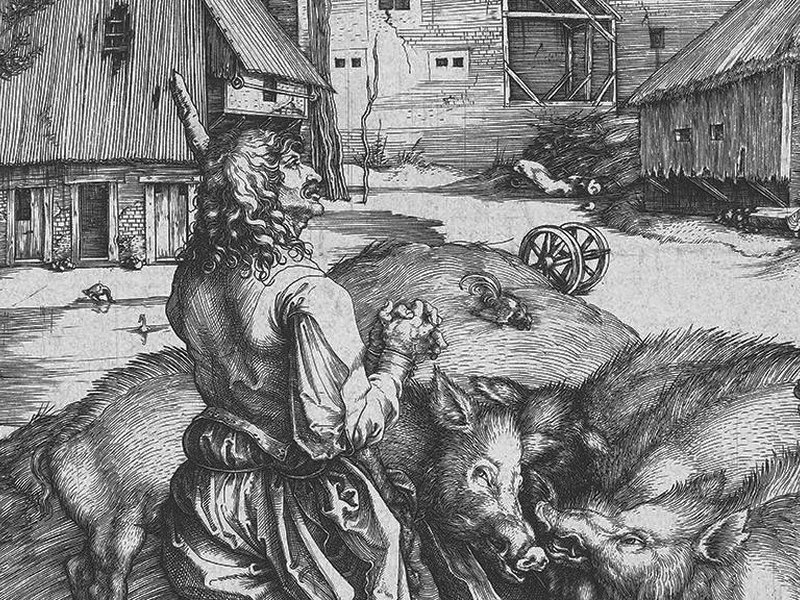
Perspectives on the Prodigal, (Part 2)

In the first essay on the parable of the Prodigal Son, I suggested that the problems commentators and others encounter in interpreting Jesus three-part parable are not accidental. These are not just problems in our ignorance of cultural background. They are intentional features of the stories —stories designed to poke…

by Ralph Allan SmithJuly 11, 2019
durer-prodigal-son-2
Luke

Perspectives on the Prodigal, (Part 1)

The story of the Prodigal Son is perhaps the most well-known story in the Bible. As others have observed, it may also be one of the most misunderstood. In two short essays, I will point out features of this story that are commonly neglected, aspects of Jesus’ parable that might…

by Ralph Allan SmithJuly 9, 2019
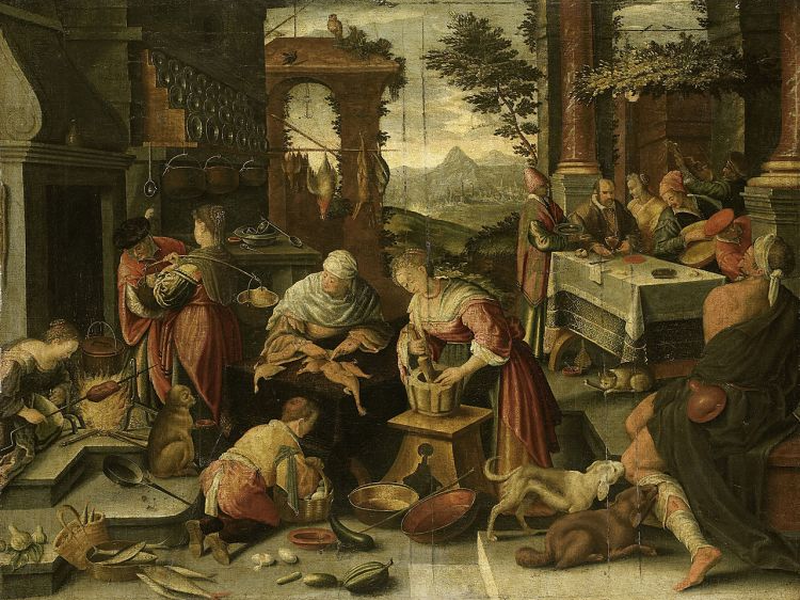
de-rijke-man-en-de-arme-lazarus-by-jacopo-da-ponte-16th-century
Luke

Lazarus and the Rich Man

The parable of Lazarus and the nameless rich man is not an independent story. It is part of a long context that begins in Luke 15:1, where Jesus is eating with tax collectors and sinners and the scribes and Pharisees grumble. In response to their hardheartedness, Jesus tells a three-part…

by Ralph Allan SmithJuly 4, 2019
aaron-burden-uynrnfdkjwg-unsplash
Luke

Everybody has Dropsy - Luke 14:1-24

The Bible is written so that even when a reader cannot pick up on what might be deeper or more detailed aspects of a text, there is virtually always a message to be heard. In the ancient world, where the “reader” of Scripture would likely be a church official facing…

by Ralph Allan SmithJuly 2, 2019
communion
Biblical Theology

Fruit Trees and Grain Plants

The distinction between garden (or vineyard) and field begins in Genesis 2. This relates to the ordering of the formless world. Plants of the field are contrasted with the garden planted by God in Genesis 2:5&8. Later on, under the Old Covenant the Israelites will be required to keep their…

by James B. JordanJune 27, 2019

Showing page 77 of 309

See all

Showing page 13 of 43

See all

Poe-etic Justice

In an essay on Poe in NYRB , Marilynne Robinson observes that “the horror that fascinated [Poe] and gave such dreadful unity to his tales is often the inescapable confrontation of the self by a perfect justice, the exposure of a guilty act in a form that makes its revelation…

January 20, 2015

What God Hates

Proverbs 6:16-20 lists seven things that God finds abominable and hateful. It’s a rich text. For starters, the “seven” stands out. God loves His creation since it is good; what He hates is a seven-fold inversion of creation. At the very least, we can say that the wicked person who…

January 20, 2015

Miniaturism

The TLS review of the two-volume collection of The Poetry of Robert Herrick (edited by Tom Cain and Ruth Connolly) gives a brief review of Herrick’s reputation in the modern world. That reputation has been determined by attitudes to what the reviewer calls Herrick’s “gargantuan” appetite for the miniature. As…

January 19, 2015

The Scotus Story

John Milbank has written that John Duns Scotus is “the turning point in the destiny of the West.” Milbank focuses on Scotus’s notion of the “univocity of being,” which, according to Milbank, treated God and creation as encompassed by the larger, common reality of “being.” On the Scotist view, God’s…

January 19, 2015

American Difference

President Obama wants European countries to do a better job of assimilating Muslims. Easy for an American President to say. Much harder for European nations to accomplish. George Friedman argues at Stratfor that “The current crisis has its origins in the collapse of European hegemony over North Africa after World…

January 19, 2015

Tangled in the Secular

Writing at Stratfor , George Friedman offers a sobering, pessimistic view of the future of Islam in Europe: “We are entering a place that has no solutions. Such a place does have decisions, and all of the choices will be bad.” At the moment, he admits, “It is difficult to…

January 19, 2015

Showing page 475 of 2212

Browse by Category

In Medias Res

Your weekly digest for all things Theopolis.

Donate

Theopolis is nearly 100% donor-supported. Consider joining us on our mission.