Theopolis Logo

Writing

Explore our collection of theological essays, biblical studies, and reflections on faith and culture.

See all
tanner-mardis-xuxghzhibn4-unsplash-1-2
Biblical Studies

Tweets-turned-Notes on the Bible’s Chronology

Summary In what follows, I will consider the “year-stamps” employed in Scripture, i.e., statements of the form, “Such-and-such an event took place in the Xth year of Y.” In the process, I will suggest some ways in which the Biblical narrative might relate to events in the extra-Biblical world, though…

by James BejonJuly 16, 2019
durer-prodigal-son-2
Luke

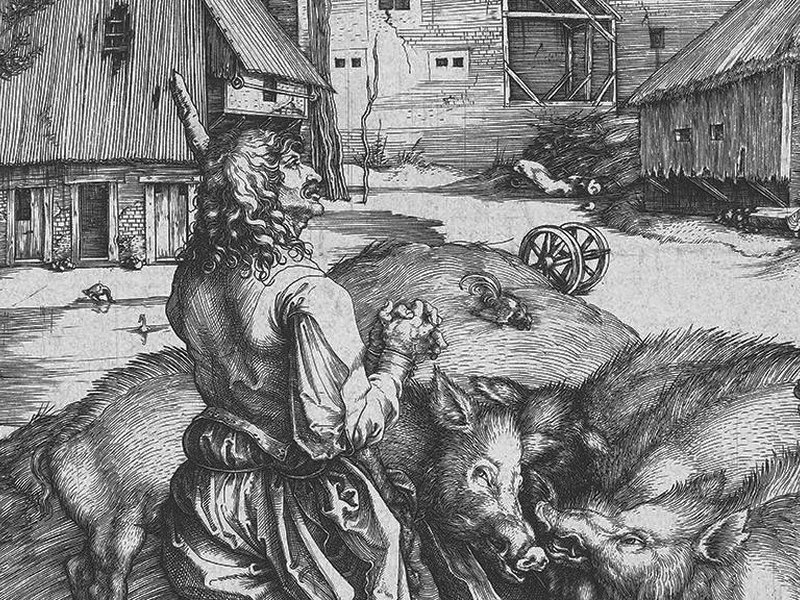
Perspectives on the Prodigal, (Part 2)

In the first essay on the parable of the Prodigal Son, I suggested that the problems commentators and others encounter in interpreting Jesus three-part parable are not accidental. These are not just problems in our ignorance of cultural background. They are intentional features of the stories —stories designed to poke…

by Ralph Allan SmithJuly 11, 2019
durer-prodigal-son-2
Luke

Perspectives on the Prodigal, (Part 1)

The story of the Prodigal Son is perhaps the most well-known story in the Bible. As others have observed, it may also be one of the most misunderstood. In two short essays, I will point out features of this story that are commonly neglected, aspects of Jesus’ parable that might…

by Ralph Allan SmithJuly 9, 2019
de-rijke-man-en-de-arme-lazarus-by-jacopo-da-ponte-16th-century
Luke

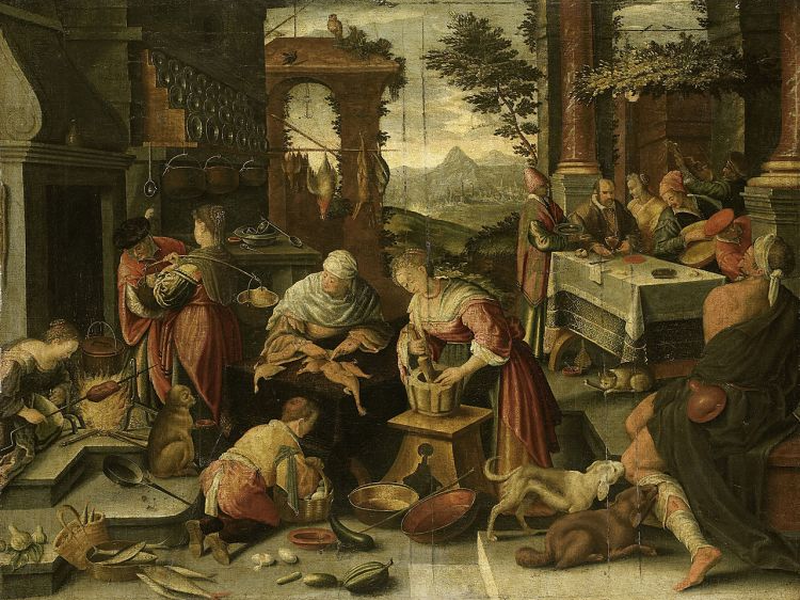
Lazarus and the Rich Man

The parable of Lazarus and the nameless rich man is not an independent story. It is part of a long context that begins in Luke 15:1, where Jesus is eating with tax collectors and sinners and the scribes and Pharisees grumble. In response to their hardheartedness, Jesus tells a three-part…

by Ralph Allan SmithJuly 4, 2019
aaron-burden-uynrnfdkjwg-unsplash
Luke

Everybody has Dropsy - Luke 14:1-24

The Bible is written so that even when a reader cannot pick up on what might be deeper or more detailed aspects of a text, there is virtually always a message to be heard. In the ancient world, where the “reader” of Scripture would likely be a church official facing…

by Ralph Allan SmithJuly 2, 2019
communion
Biblical Theology

Fruit Trees and Grain Plants

The distinction between garden (or vineyard) and field begins in Genesis 2. This relates to the ordering of the formless world. Plants of the field are contrasted with the garden planted by God in Genesis 2:5&8. Later on, under the Old Covenant the Israelites will be required to keep their…

by James B. JordanJune 27, 2019

Showing page 77 of 309

See all

Showing page 14 of 43

See all

Seizure of Speech

Seizing power doesn't make a revolution. When you seize speech, then you've got a chance at total revolution. Writing of the French Revolution, James Billington writes ( Fire in the Minds of Men , 34-5), " four-letter outbursts of the youthful demonstrators in the late 196os echoed the political shock…

October 27, 2017

Secular Sacred

You could find anything in the cafes of the Palais Royal in the last decades of the eighteenth century: "Distinctions of rank were obliterated, and men were free to exercise sexual as well as political freedom. In the course of a single visit, one might sip such libations of liberation…

October 27, 2017

Contraction of Theological Imagination

Toward the end of Corpus Mysticum , Henri de Lubac says that one of the most serious results of the shifts in Eucharistic theology he examines is "the devaluation of symbols." Augustine's entire theology was about "signs" and "things." In the late Middle Ages, "consideration of 'signs' would soon suffer…

October 27, 2017

Left and Right

"In the summer of 1789, absolute monarchy and aristocratic authority were overthrown forever in the most powerful kingdom," writes James Billington in Fire in the Minds of Men (20). If something happens, it must be possible. Just so: The French Revolution was "the hard fact that gave birth to the…

October 27, 2017

Lament to Joy

Josiah's death is a reverse exodus because it's first an inverted Passover. Zechariah describes a scene of mourning like the “mourning on the plain of Megiddo,” a reference to the death of Josiah (Zechariah 12:11). But the mourning Zechariah describes is also like the mourning of Egypt over their firstborn.…

October 26, 2017

American Revolution

Was the American Revolution a Revolution? Eugen Rosenstock-Huessy (ERH) concludes it was a “half-revolution” rather than a total revolution on the scale of the Russian, French, Puritan, Reformation, and Papal revolutions. Evaluating the revolutionary character of the American Revolution rests partly on the question of what “revolution” meant to the…

October 26, 2017

Showing page 129 of 2212

Browse by Category

In Medias Res

Your weekly digest for all things Theopolis.

Donate

Theopolis is nearly 100% donor-supported. Consider joining us on our mission.