Theopolis Logo

Writing

Explore our collection of theological essays, biblical studies, and reflections on faith and culture.

See all
paul-2
Romans

Notes on Scary Stuff in Romans 9

What shall we say then? Is there injustice on God’s part? By no means! For he says to Moses, “I will have mercy on whom I have mercy, and I will have compassion on whom I have compassion.” So then it depends not on human will or exertion, but on…

by Mark HorneFebruary 5, 2015
lunch-counter
American Politics

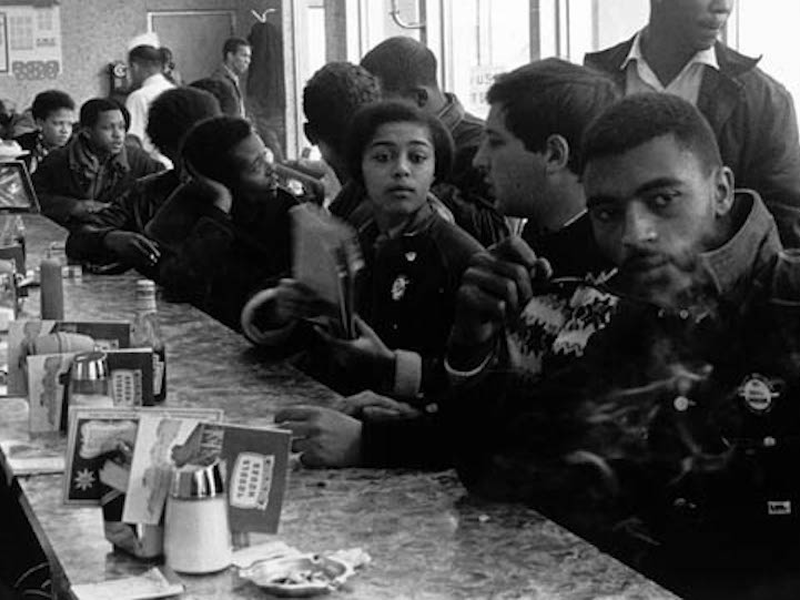
Covenants of Exclusion

A hundred years ago, William Warley signed a contract to buy a house in Louisville, Kentucky from Charles Buchanan, a white man. Before closing the sale, Warley, who was black, learned that the lot was subject to a city ordinance barring blacks from occupying the premises if most of the…

by Brendan O'DonnellFebruary 3, 2015
shakespeare-2
Literature

The Bard and the Book

I concluded the first essay on this topic by saying that I would introduce three books about Shakespeare and the Bible, but I decided to introduce four instead. The three books become four are: Naseeb Shaheen, Biblical References in Shakespeare’s Plays (London: Associated University Presses, 1999) ; Hannibal Hamlin, The…

by Ralph Allan SmithJanuary 29, 2015
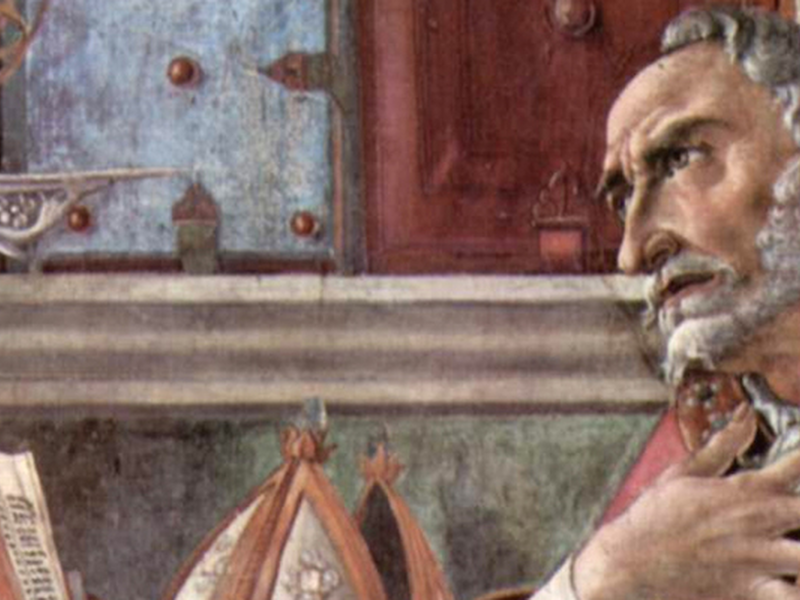
augustine-2
Augustine

Augustine on Pagan Virtue

My children attend a classical Christian school, situated in the independent “free church” evangelical tradition. Over the past few years they have been growing in their acquaintance with the world of Homer, Plato, Virgil, and Livy. They enjoy it, and I envy it. The school is a great school. My…

by Gerald HiestandJanuary 27, 2015
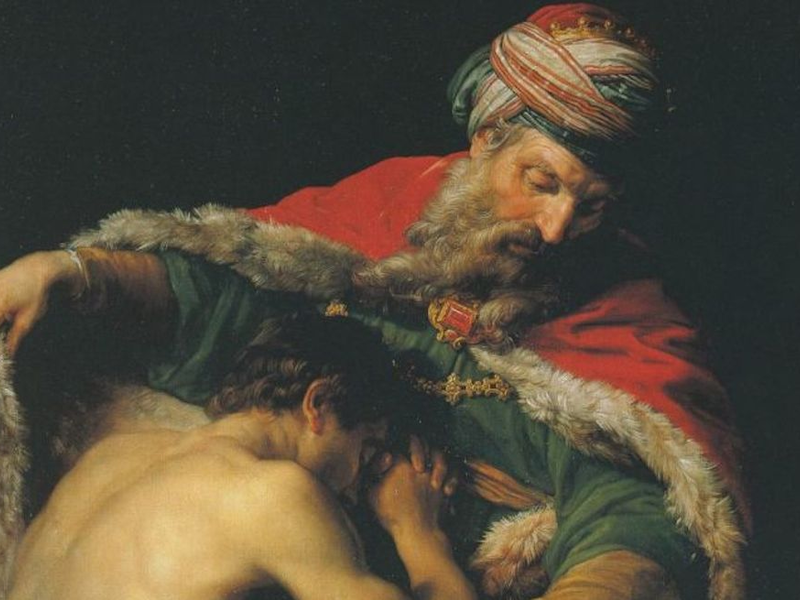
prodigal-son
Atonement

The Prodigal and the Cross

The Prodigal Son parable (Luke 15) has been a favorite of liberal theologians for a couple of centuries. It seems to be a parable designed for liberal sensibilities: An indulgent, accepting Father; forgiveness extended without a cross; a surly older brother who might represent the "conservative" face of religion who…

by Peter LeithartJanuary 22, 2015
sky-from-bridge
Ascension

Underground Man, Ascended Man

“I want now to tell you, gentlemen, whether you care to hear it or not, why I could not even become an insect. I tell you solemnly, that I have many times tried to become an insect. But I was not equal even to that. I swear, gentlemen, that to…

by Richard BledsoeJanuary 20, 2015

Showing page 161 of 309

See all

Showing page 14 of 43

See all

Losing Face

In his 2013 book, Saving Face , Stephen Pattison observes that infants very quickly begin to notice and recognize faces, and to imitate the expressions they see. “To be and to become human socially and emotionally,” he writes, “is to engage in real, nuanced, face-to-face visual relations.” When a child…

April 1, 2016

De-Aristotelianizing Plato

Between 1900 and 1960, scholars believed that Plato held to a “cosmological” view of the divine, the notion that gods are “personified forces responsible for bringing order to the sensible world.” Since then, scholars have adopted a “metaphysical” interpretation, arguing that Plato's god is finally a metaphysical principle. So argues…

April 1, 2016

Breaking the Contract

Ryan Leif Hansen ( Silence and Praise ) describes Roman imperial religion as a social contract that bound the gods, the emperor, and the Roman people in a stable, peaceful order: “ Cultic ritual, sacrifice, and the related economic exchange were integral for sustaining the order of the cosmos ,…

March 31, 2016

Son of Pain

Sara Japhet ( I and II Chronicles ) notes the “unusual” structure of the etiological story behind the name “Jabez” in 1 Chronicles 4:9-10. Typically, “an aetiology offers an explanation for a given datum (commonly, but not always, a name) by recounting the causes from which it arose and demonstrating…

March 31, 2016
daniel-james-dhw68hz9kba-unsplash

Sterilizing Marriage

In his powerful manifesto, Nation of Bastards , Douglas Farrow argues that the Kulturkampf in which we find ourselves began in the early part of the 20th century with “the promotion of sterilization, eugenics, and the contraceptive mentality.” In short, it started “as an attack on children,” more horrifically in…

March 31, 2016

Art of Politics

In his reflections on Carl Schmitt, Paul W. Kahn ( Political Theology ) contrasts Enlightenment political rationalism to Schmitt's political voluntarism. Kant stands as the representative of the rationalist tradition: “For Kant, the question of freedom was that of how a subject could determine his own action in a causally…

March 30, 2016

Showing page 304 of 2212

Browse by Category

In Medias Res

Your weekly digest for all things Theopolis.

Donate

Theopolis is nearly 100% donor-supported. Consider joining us on our mission.