Theopolis Logo

Writing

Explore our collection of theological essays, biblical studies, and reflections on faith and culture.

See all
jonathan-borba-lgj3qbhoqui-unsplash
Art

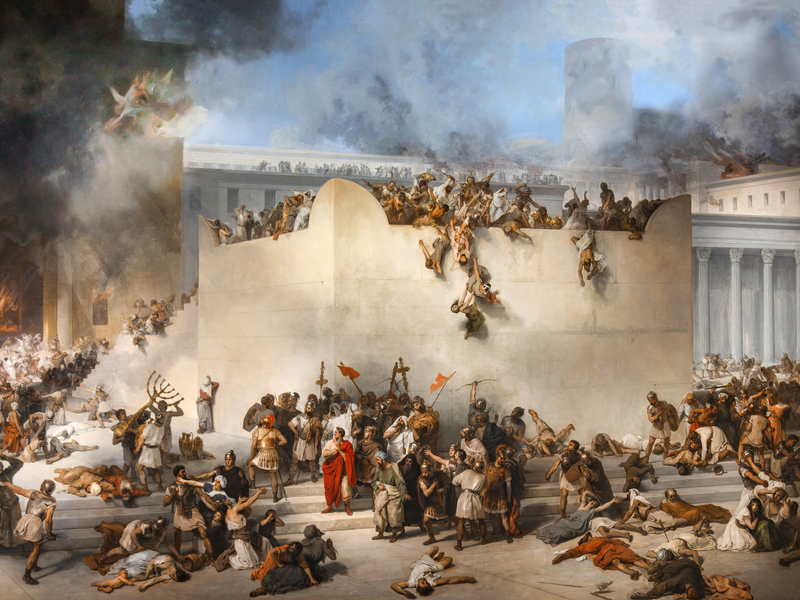
Toward a Biblical Definition of Obscenity

My copy of Webster’s New Collegiate Dictionary (1976: not so new, really) defines obscene as (1) "disgusting to the senses; repulsive" and (2) "abhorrent to morality or virtue; specif: designed to incite lust or depravity." Definitions such as this serve a useful purpose only when there is agreement on what…

by Peter LeithartMay 30, 1991
venice-la-distruzione-del-tempio-di-gerusalemme-francesco-hayez-gallerie-accademia-venice
Biblical Studies

The Abomination of Desolation, Part 1

An Overview Here begins a series of studies in the Abomination of Desolation, or Desolating Sacrilege. This month and next I shall set out an overview of what I regard as the best interpretation of the phenomenon. Later essays will look at it in more detail. (The original form of…

by James B. JordanMay 22, 1991
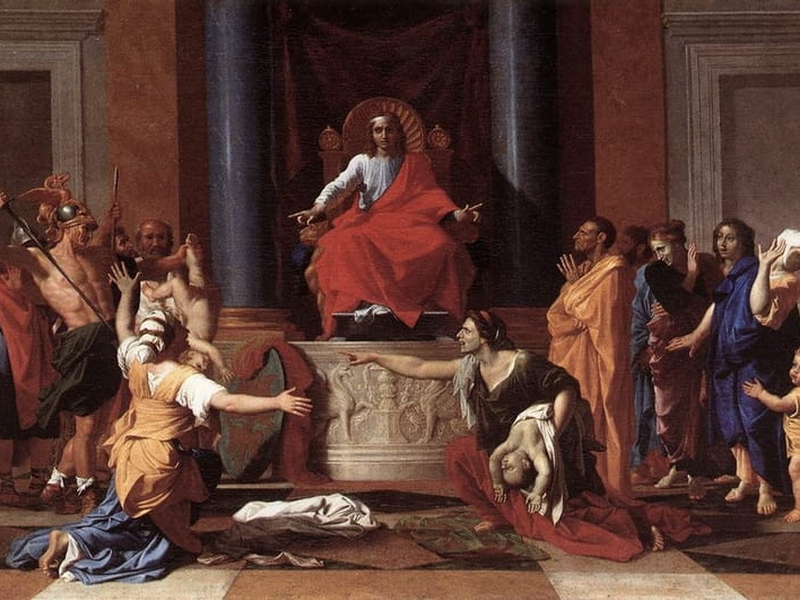
49980-nicolas_poussin_-_the_judgment_of_solomon_-_wga18330-800w-tn
Biblical Studies

Advice From a Sojourner, Part 12

29. There are three things that are stately in their march, Even four that are stately when they walk: 30. The lion is mighty among beasts And does not turn back before any, 31. The strutting cock, The male goat, And a king with his army around him. 32. If…

by James B. JordanMay 22, 1991
tanner-mardis-xuxghzhibn4-unsplash-1-2
Biblical Studies

The Chronology of Ezra & Nehemiah, Part 4

We have seen that it is likely that the Artaxerxes of Ezra-Nehemiah is the same as Darius the Great. If this solution be correct, and I think it is, possibly there is another problem in Ezra that can be resolved by it. In Ezra 4:6 we are told that "in…

by James B. JordanMay 22, 1991
giammarco-zeh-ljawhtg-unsplash
Biblical Horizons

The Weight of Being

Czech novelist Milan Kundera, though hardly a household name in the English-speaking world, has achieved a certain notoriety in America in recent years, largely on the strength of the English translation and film version of his novel, The Unbearable Lightness of Being. 1 The Unbearable Lightness of Being — the…

by Peter LeithartMay 6, 1991
49980-nicolas_poussin_-_the_judgment_of_solomon_-_wga18330-800w-tn
Proverbs

Advice From a Sojourner, Part 11

24. Four things are small on the earth, But they are exceedingly wise; 25. The ants are not a strong folk, But they prepare their food in the summer; 26. The coneys are not a mighty folk, Yet they make their houses in the rocks; 27. The locusts have no…

by James B. JordanApril 22, 1991

Showing page 297 of 309

See all

Showing page 14 of 43

See all

Ritual and Spontaneity

For the first 1500 years of its existence, Christianity was a liturgical faith. That began to change with Wyclif and the Hussites, and the Reformation produced permanent forms of un- and even anti-liturgical Christianity. Ceremony took on negative connotations, synonymous with hollowness and superstition. Ritual was no longer seen as…

October 13, 2015

Locusts and Honey

John the Baptist is presented in the gospels as the fulfillment of the Old Testament promise that God would send His messenger to prepare the way for the coming of the glory of the Lord (Isaiah 40), and the promise to send Elijah before Him to turn the people to…

October 12, 2015
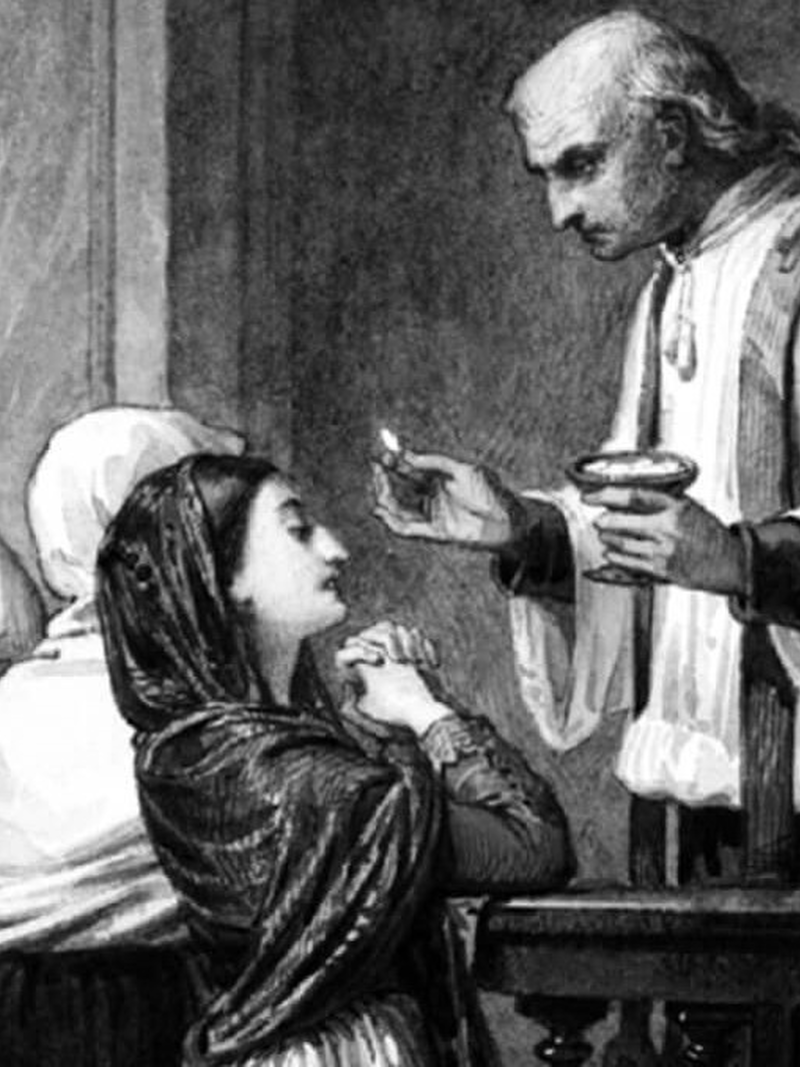
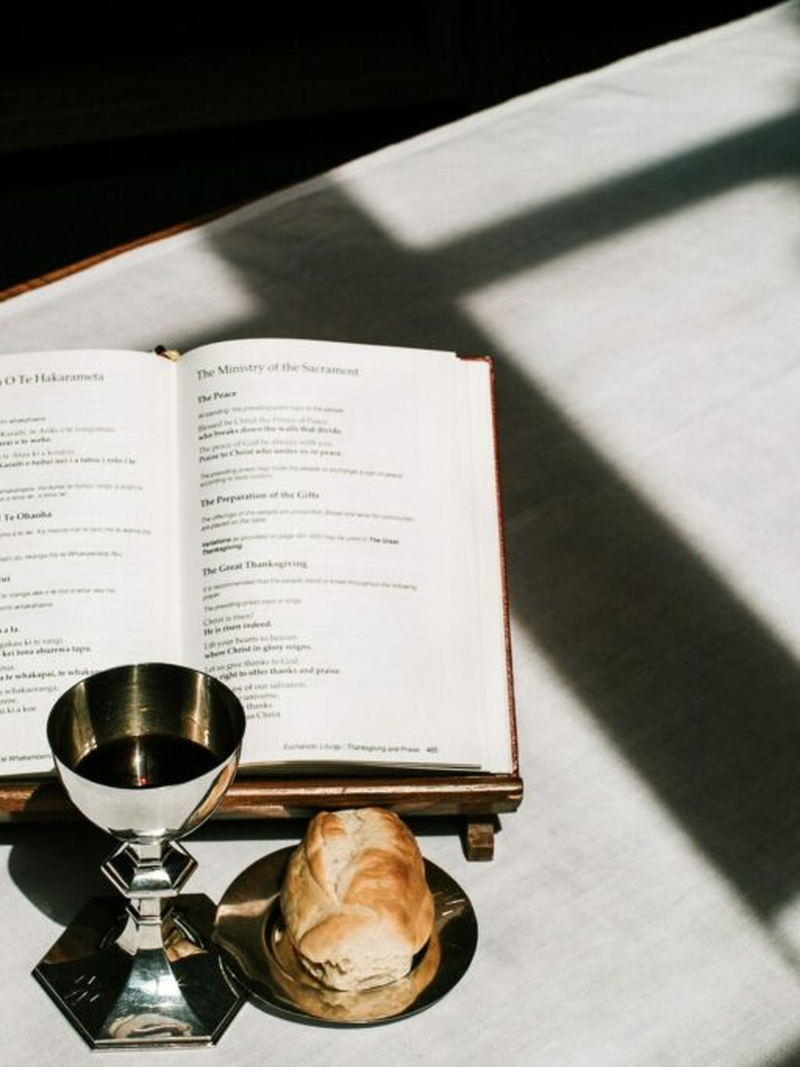
Eucharist

Showing the Lord's Death

How does the Lord’s Supper proclaim the death of Jesus until He comes? (1 Corinthians 11:26). Historically, liturgists have attempted to locate some act in the rite of the Supper that corresponds to the death of Jesus: the fraction (breaking of bread), or the fact that bread and wine are…

October 12, 2015

Eucharistic Modalism

One of the earliest Trinitarian heresies is called “modalism.” It taught that the “persons” of the Trinity are not distinct persons, but only the masks or roles that the one Person of God adopts at various times. The fundamental problem with modalism is that it stretches out a veil, or…

October 12, 2015

Irritability and Intellect

We like to pretend our notions are the product of careful study and rational analysis. We like to pretend our likes and dislikes are deeply rooted in principle. Montaigne thought otherwise. In “An Apology for Raymond Sebond,” he wrote, “I have seen some, who without infringing their patience, could not…

October 12, 2015

From the Mouth

Four times Revelation refers to the sword that comes from the mouth of Jesus, twice at the beginning of the book (1:16; 2:16) and twice at the end (19:15, 21). Jesus' mouth-sword frames the book, and the four uses hint at His universal conquest: Jesus will extend the reign of…

October 9, 2015

Showing page 365 of 2212

Browse by Category

In Medias Res

Your weekly digest for all things Theopolis.

Donate

Theopolis is nearly 100% donor-supported. Consider joining us on our mission.