Theopolis Logo

Writing

Explore our collection of theological essays, biblical studies, and reflections on faith and culture.

See all
cloister

Gatekeepers

1 Chronicles 9:1 seems to bring the genealogies of 1 Chronicles to an end. The Chronicler has recorded the genealogy of the human race from Adam, focusing on the descendants of Abraham through Jacob. Summing it all up, he says, “So all Israel was enrolled by genealogies; and behold, they…

by Peter LeithartJune 21, 2016
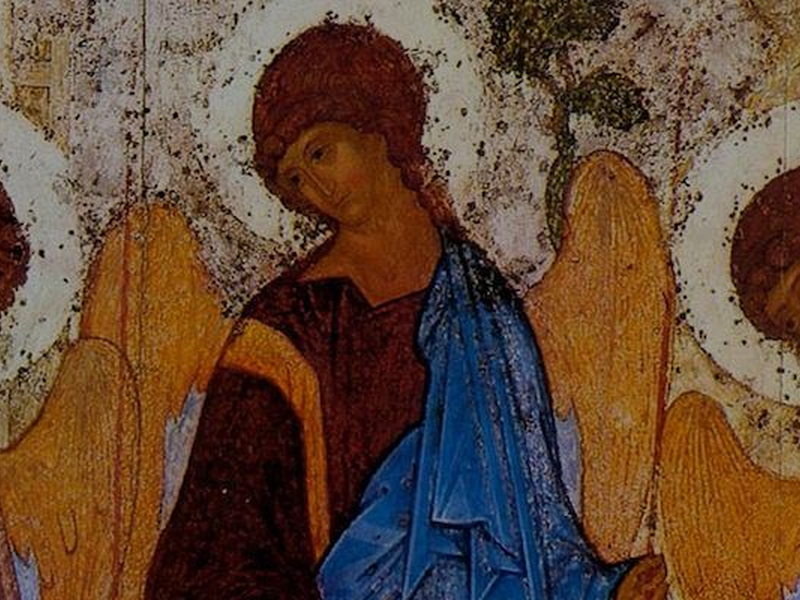
trinity-1-2
Trinity

Are the Divine Persons Persons?

The “personalist” understanding of the Trinity, articulated most influentially in the work of John Zizioulas, has fallen on hard times. Recent scholars have attacked Zizioulas’s idea that Cappadocian Trinitarianism represented an ontological revolution, hammering on the distinction between divine and human personhood. Michel Barnes’s conclusion is the most drastic of…

by Peter LeithartJune 16, 2016
img_4660-2
Architecture

On Biblical Theology

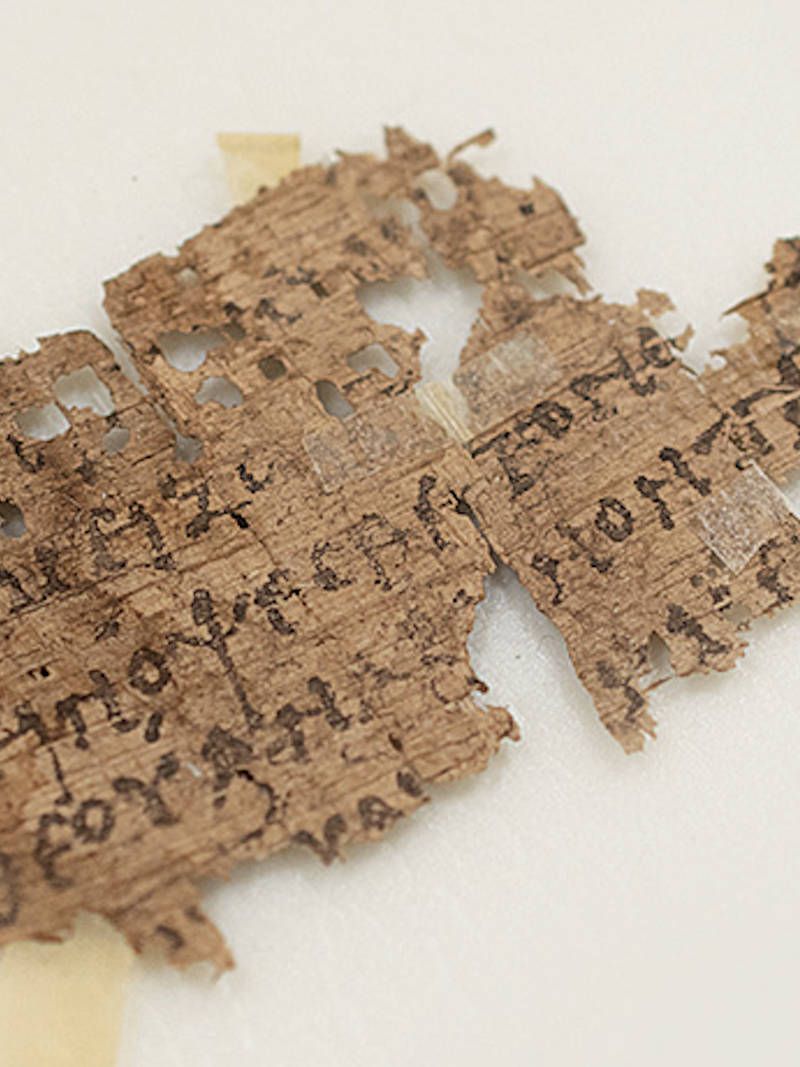
Biblical Theology is often defined as the historical unfolding of God’s revelation, or of God’s revelation and of the history of his covenantal redemption and transformation of humanity and the world. In practice, Biblical Theology is usually broader than this, and also includes the study of literary structure and of…

by James B. JordanJune 14, 2016
laughing_statue_by_xxbobbiie-d5f0meh-2
Humor

Wise Laughter

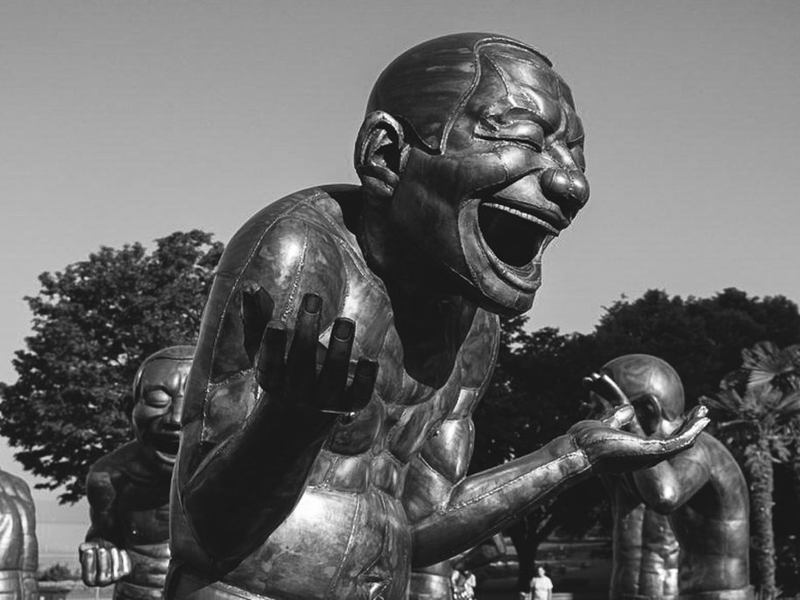
We are made to be happy. Created to enter into the eternal joy of God, our whole being inclines to that end, but the fallen world has put forth barriers and by our own sin we bar ourselves from that endless delight, and death blinds us to that reality. Yet…

by Remy WilkinsJune 7, 2016
img_7664
Liturgy

Why Theopolis? Take Two

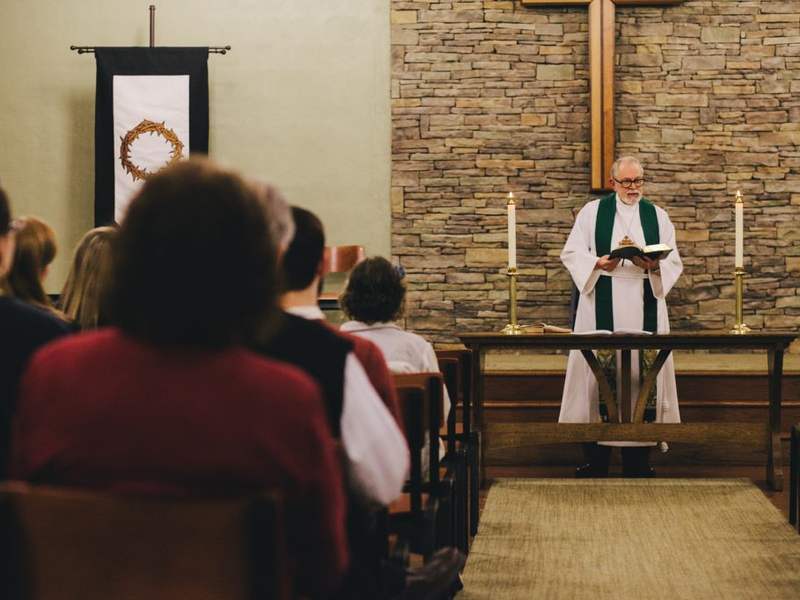
At the end of Revelation, John sees the heavenly city descending to earth. The city shines with the brilliance of God's glory, which lightens the nations, so that kings bring their glory to the city. This is not a vision of the final new heaven and new earth. It's a…

by Peter LeithartJune 2, 2016
trinity-1-2
Attributes of God

How Can We Talk About God?

“No one has ever seen God,” writes John (John 1:18). If this is the case, then how can we speak about God? Some people say we actually cannot. Or at least we cannot speak about God positively, i.e. who He is. We can only say who or what God is…

by Bogumil JarmulakMay 31, 2016

Showing page 130 of 309

See all

Showing page 14 of 43

See all

In Defense of Kitsch

W e should, Paul Griffiths says ( Decreation , 324–5), be careful about the aesthetic judgments we make: “every human creature's formation in the discernment and delight in beauty is different, and because each of us is badly damaged with respect to our capacity to make reliable judgments about the…

April 16, 2015

The Materiality of Hell

As recorded in the supplement to the Summa , Thomas Aquinas teaches that the damned will rise again with bodies and will be tormented in hell corporeally. This leaves open questions about the materiality of the various biblical descriptions of those torments, and in question 97 of the supplement, Thomas…

April 16, 2015

Epistemo-technics

In his Organizing Enlightenment , Chad Wellmon explains how the modern research university was a response to a crisis of “information overload.” The Enlightenment saw an explosion of new knowledge and research. The Enlightenment empire of erudition was a bookish empire. Philosophes imagined they could provide a unified account of…

April 16, 2015

Essence, Energies, and the Presence of God

If the infinite God is to be present within a finite creation, writes David Bentley Hart ( Beauty of the Infinite , 204), “the finite must . . . become ever more open, ever greater and more capacious . . . ; and creaturely mutability allows for this.” Hart is…

April 15, 2015

Father of Reconstructionism

T he name of R.J. Rushdoony, the polymathic Reformed theologian, historian, and activist, has appeared with increasing frequency in accounts of the religious right. There is a small industry in screeds warning of the dire threat of theocracy, and Rushdoony plays the role of the father of all theocrats. It's…

April 15, 2015

Sabbath Joy

The prophecy of Habakkuk closes with a lovely poem of joy in the midst of adversity and lack (Habakkuk 3:17-19). The poem opens with six lines that describe the barrenness of the land. It is a nihil-land; the Hebrew negative lo' occurs twice (“fig tree does not blossom”; “the field…

April 15, 2015

Showing page 439 of 2212

Browse by Category

In Medias Res

Your weekly digest for all things Theopolis.

Donate

Theopolis is nearly 100% donor-supported. Consider joining us on our mission.