Theopolis Logo

Writing

Explore our collection of theological essays, biblical studies, and reflections on faith and culture.

See all
cloister

Gatekeepers

1 Chronicles 9:1 seems to bring the genealogies of 1 Chronicles to an end. The Chronicler has recorded the genealogy of the human race from Adam, focusing on the descendants of Abraham through Jacob. Summing it all up, he says, “So all Israel was enrolled by genealogies; and behold, they…

by Peter LeithartJune 21, 2016
trinity-1-2
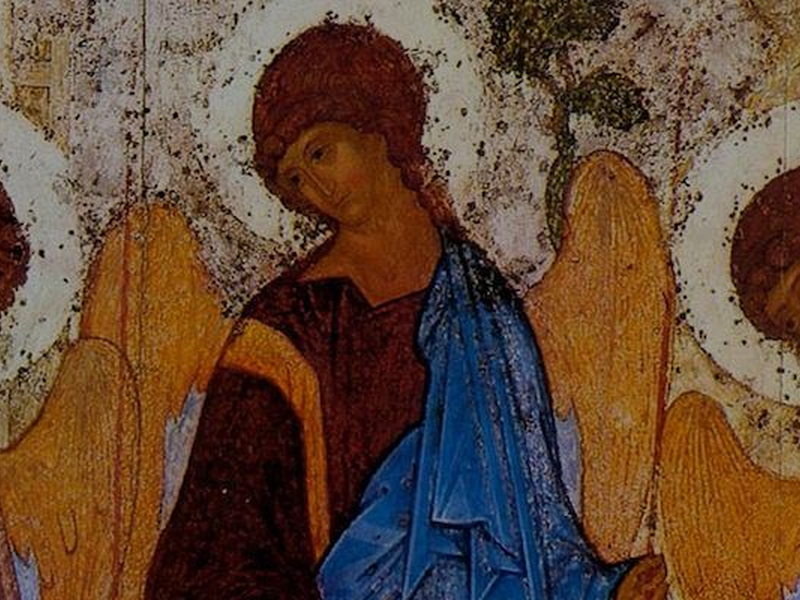
Trinity

Are the Divine Persons Persons?

The “personalist” understanding of the Trinity, articulated most influentially in the work of John Zizioulas, has fallen on hard times. Recent scholars have attacked Zizioulas’s idea that Cappadocian Trinitarianism represented an ontological revolution, hammering on the distinction between divine and human personhood. Michel Barnes’s conclusion is the most drastic of…

by Peter LeithartJune 16, 2016
img_4660-2
Architecture

On Biblical Theology

Biblical Theology is often defined as the historical unfolding of God’s revelation, or of God’s revelation and of the history of his covenantal redemption and transformation of humanity and the world. In practice, Biblical Theology is usually broader than this, and also includes the study of literary structure and of…

by James B. JordanJune 14, 2016
laughing_statue_by_xxbobbiie-d5f0meh-2
Humor

Wise Laughter

We are made to be happy. Created to enter into the eternal joy of God, our whole being inclines to that end, but the fallen world has put forth barriers and by our own sin we bar ourselves from that endless delight, and death blinds us to that reality. Yet…

by Remy WilkinsJune 7, 2016
img_7664
Liturgy

Why Theopolis? Take Two

At the end of Revelation, John sees the heavenly city descending to earth. The city shines with the brilliance of God's glory, which lightens the nations, so that kings bring their glory to the city. This is not a vision of the final new heaven and new earth. It's a…

by Peter LeithartJune 2, 2016
trinity-1-2
Attributes of God

How Can We Talk About God?

“No one has ever seen God,” writes John (John 1:18). If this is the case, then how can we speak about God? Some people say we actually cannot. Or at least we cannot speak about God positively, i.e. who He is. We can only say who or what God is…

by Bogumil JarmulakMay 31, 2016

Showing page 130 of 309

See all

Showing page 14 of 43

See all

Pedagogy and Counter-Pedagogy in Genesis

Before Yahweh is an object of worship, He is a teacher, issuing an invitation to Adam to eat from the fruit of the garden but prohibiting the fruit of the tree of knowledge (Genesis 2:16-17). After He forms Eve, though, He disappears from the narrative, leaving Eve and Adam to…

April 15, 2015

Inevitable Denominations?

Rex Koivisto ( One Lord, One Faith ) argues that the problem of church unity has less to do with denominational structures and more to do with a sectarian spirit. Denominations weren't sectarian in origins, but an attempt to retain catholicity in a diverse theological setting. All true, but his…

April 14, 2015

The Addict as Modern Prophet

K ent Dunnington ( Addiction and Virtue ) observes that what Peter Berger called “the heretical imperative” sharpens questions about the “right ordering of the goods and activities of our lives.” Our diverse world doesn't direct us to any particular ends; it deliberately refuses to do so. As a result,…

April 14, 2015

Chiasm of Love

M arion Gibbs and Sidney Johnson present a sensitive analysis of the poetry of Gottfried of Strassburg's Tristan in their introduction to Medieval German Literature . In the Prologue to the poem, Gottfried captures the contradictory qualities of love with a rich series of antitheses: ir süeze sur, ir liebez…

April 14, 2015

Apocalyptic Mouths

“Mouth” ( stoma ) appears 22 times in Revelation. Mostly, things come out of mouths, rather than going in. The book is framed by double references to the sword that comes from the mouth of Jesus (1:16; 2:16; 19:15, 21). Jesus' mouth-sword is the ideal: A word that slays and…

April 14, 2015
Architecture

Church as Sacred Place

Some of the churches that Duncan Stroik discusses in The Church Building as Sacred Place sound and look like wretched spaces. The parish church in Tor Tre Teste, thirty miles outside central Rome, for instance, is designed to disorient and decenter: “The nave is conceived as an asymmetrical space in…

April 13, 2015

Showing page 440 of 2212

Browse by Category

In Medias Res

Your weekly digest for all things Theopolis.

Donate

Theopolis is nearly 100% donor-supported. Consider joining us on our mission.