Theopolis Logo

Writing

Explore our collection of theological essays, biblical studies, and reflections on faith and culture.

See all
cloister

Gatekeepers

1 Chronicles 9:1 seems to bring the genealogies of 1 Chronicles to an end. The Chronicler has recorded the genealogy of the human race from Adam, focusing on the descendants of Abraham through Jacob. Summing it all up, he says, “So all Israel was enrolled by genealogies; and behold, they…

by Peter LeithartJune 21, 2016
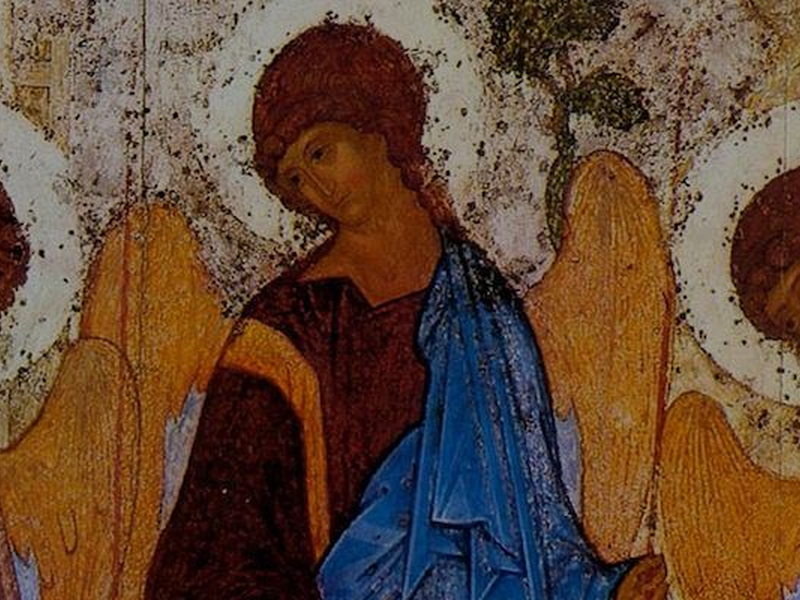
trinity-1-2
Trinity

Are the Divine Persons Persons?

The “personalist” understanding of the Trinity, articulated most influentially in the work of John Zizioulas, has fallen on hard times. Recent scholars have attacked Zizioulas’s idea that Cappadocian Trinitarianism represented an ontological revolution, hammering on the distinction between divine and human personhood. Michel Barnes’s conclusion is the most drastic of…

by Peter LeithartJune 16, 2016
img_4660-2
Architecture

On Biblical Theology

Biblical Theology is often defined as the historical unfolding of God’s revelation, or of God’s revelation and of the history of his covenantal redemption and transformation of humanity and the world. In practice, Biblical Theology is usually broader than this, and also includes the study of literary structure and of…

by James B. JordanJune 14, 2016
laughing_statue_by_xxbobbiie-d5f0meh-2
Humor

Wise Laughter

We are made to be happy. Created to enter into the eternal joy of God, our whole being inclines to that end, but the fallen world has put forth barriers and by our own sin we bar ourselves from that endless delight, and death blinds us to that reality. Yet…

by Remy WilkinsJune 7, 2016
img_7664
Liturgy

Why Theopolis? Take Two

At the end of Revelation, John sees the heavenly city descending to earth. The city shines with the brilliance of God's glory, which lightens the nations, so that kings bring their glory to the city. This is not a vision of the final new heaven and new earth. It's a…

by Peter LeithartJune 2, 2016
trinity-1-2
Attributes of God

How Can We Talk About God?

“No one has ever seen God,” writes John (John 1:18). If this is the case, then how can we speak about God? Some people say we actually cannot. Or at least we cannot speak about God positively, i.e. who He is. We can only say who or what God is…

by Bogumil JarmulakMay 31, 2016

Showing page 130 of 309

See all

Showing page 14 of 43

See all

Informative Nature

William Dembski's latest, Being As Communion , sets out a metaphysics of information, and argues for what he calls “informational realism.” Reality is information all the way down, but that information is real. It is reality. What is information? Dembski says it's “about realizing possibilities by ruling out others. Unless…

April 6, 2015

Only the beginning

John's account of the resurrection fulfills the promise of his prologue (John 20). Here is the Word made flesh, dead and buried, now risen as new Adam, the “gardener,” with Mary Magdalene, a type of the new Eve. The Word who spoke the worlds into being speaks also after death,…

April 5, 2015

First Resurrection, Second Resurrection

Elijah's life (1 Kings 17-19) tracks that of Moses. He confronts the Pharaoh-like King Ahab, then flees from the land, as Moses fled to Midian, where he is cared for by a widow. God provides miraculously for the prophet and his host, but then her child dies. In the Moses…

April 4, 2015
Fear

With Fear and Trembling

Paul Griffiths's Decreation has some harrowing passages about sin. Like this one: “What will be left of me when I am no longer a sinner? That is a question fundamental to trembling before hell's presence in the devastation [i.e., the fallen world]. Such trembling, however, like all well-formed Christian responses,…

April 3, 2015

God the Translator

A wondrous passage from Donne: “all mankind is of one author, and is one volume; when one man dies, one chapter is not torn out of the book, but translated into a better language; and every chapter must be so translated; God employs several translators; some pieces are translated by…

April 3, 2015

Why Diversions Don't Divert

Thomas considers acedia, “sloth,” as the opposite of delight. It is “sadness directed toward what ought to yield delight” (summary by Paul Griffiths, Decreation , 196). Paul Griffiths glosses: Acedia “is the mark of those sufficiently habituated to looking at nothing that when they look at something—and most especially at…

April 2, 2015

Showing page 444 of 2212

Browse by Category

In Medias Res

Your weekly digest for all things Theopolis.

Donate

Theopolis is nearly 100% donor-supported. Consider joining us on our mission.