Theopolis Logo

Writing

Explore our collection of theological essays, biblical studies, and reflections on faith and culture.

See all
trnava-university-beeyeib-am8-unsplash
Biblical Chronology

Meredith G. Kline Strikes Back, Part 2

In our first essay we looked at Kline’s flawed exegesis of Genesis 2:5 as it relates to Day 3 of creation. Now we turn to Kline’s new argument against a chronological reading of Genesis 1, as found, again, in "Space and Time in the Genesis Cosmogony," Perspectives on Science and…

by James B. JordanMarch 29, 1997
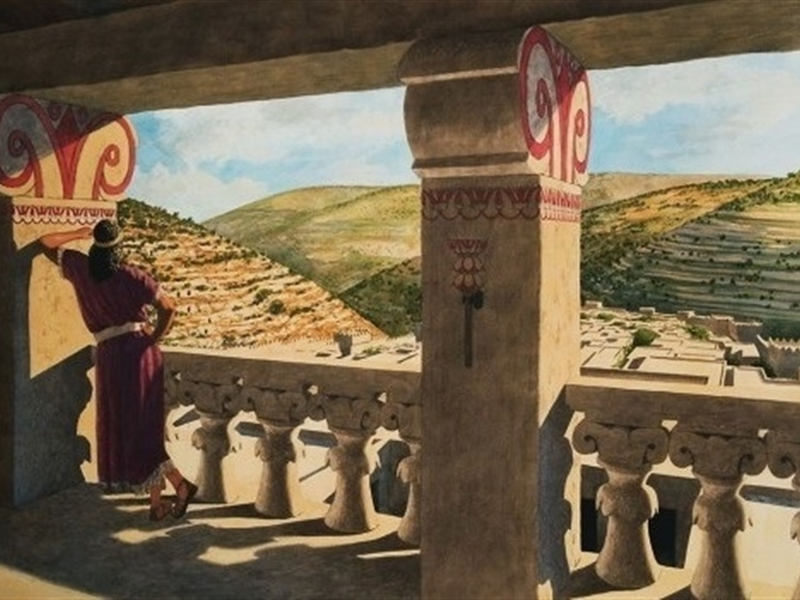
30211-bathsheba-800w-tn
Hermeneutics

Bathsheba: The Real Story

One of the advantages of paying very close attention to the details in the Bible, especially chronological and genealogical details, is that they can shed light on situations that don’t seem to make much sense apart from them. One such situation is that of Bathsheba. It appears that Bathsheba willingly…

by James B. JordanMarch 28, 1997
jonathan-cooper-ygxq7hfdjzq-unsplash
Church Calendar

Is the Church Year Biblical? | A Parking Lot Parable

Once upon a time, Jeff Meyers and Tony Rollins–old friends who had not seen each other for a few years–met in the parking lot of a neighborhood church. They were dropping off their pre-school children at the church for Mother’s Day Out. They were such conscientious and helpful fathers. As…

by Jeff MeyersMarch 20, 1997
annie-spratt-upxf6to3fea-unsplash
Daniel

The Allegory of Susanna

Years ago, when I was at the briefly-existing Geneva Divinity School, I taught a course in the Apocrypha. One thing that struck me at that time is that two of the stories are almost certainly religious allegories (as well as moral tales): Judith and Susanna. Since "Susanna" means "Lily," this…

by James B. JordanFebruary 28, 1997
serafima-lazarenko-_ivuwprfczi-unsplash
Biblical Horizons

A Blossom of Yahweh’s Field

Peter’s essay inspires me to write up some similar thoughts about the flower of the field. Rightly does Peter associate the almond with Yahweh’s garden, because the Garden of Eden is symbolically positioned as parallel to the Holy Place of the Tabernacle and Temple. To wit: Since Aaron’s rod blossomed…

by James B. JordanFebruary 28, 1997
trnava-university-beeyeib-am8-unsplash
Biblical Chronology

Meredith G. Kline Strikes Back, Part 1

We have had occasion to discuss the views of Meredith G. Kline previously in these newsletters, and now it is time to do so again. Kline teaches at Gordon-Conwell Theological Seminary and also at the Westminster Theological Seminaries (Philadelphia and San Diego). He is the author of some interesting insights…

by James B. JordanFebruary 28, 1997

Showing page 259 of 309

See all

Showing page 14 of 43

See all

Truth or Tribalism?

One Body Through the Cross , the Princeton Proposal for Christianity Unity, criticizes the ecumenical movement for “liberal indifference” to orthodoxy, which has sometimes provoked a reaction of “divisive sectarianism.” For some, the solution is to stress traditional doctrinal formulations, but this cure is part of the disease. As Margaret…

February 25, 2015

Be What We Are

The Princeton Proposal for Christian Unity ( One Body Through the Cross ) works within two “poles”: On the one hand, there is an already-established unity, “a bond of faith and communion in Christ, established by the action of God.” On the other hand, we are called to “a deeper…

February 25, 2015

Division Breeds Diversion

The Princeton Proposal on Christian Unity ( In One Body Through the Cross ) claims that “division breeds never-ending diversion from authentic mission” (section 35), and offers a shrewd diagnosis of how this occurs. It happens when “the distinct identities of our churches tempt us to relish the special marks…

February 25, 2015

Making Church Visible

In his Unitive Protestantism , John T. McNeill sketches the “communio” ecclesiology of the Reformers: “They interpreted the creedal tenet of ‘the Holy Catholic Church’ in terms of the communio sanctorum , and identified the latter both with the invisible communion of the saved and with the true visible church…

February 25, 2015

Witness of Abstinence

Jeremiah 35 introduces the Rechabites. This is a clan within Israel that had refrained from wine, lived in tents, and refused to sow seed or plant vineyards for generations. The sole basis for this abstinence from normal life was the command of Jonadab the son of Rechab who commanded “You…

February 24, 2015
Modernity

Gullible Rationalists

One of the delights of Philip Ball’s forthcoming Invisible is to see how frequently rationalists and materialists were have been taken in by charlatans. One might have thought that those who came-of-age and were Enlightened by reason would be immune to tricks, beliefs in ghosts, and in fairies and sprites.…

February 24, 2015

Showing page 459 of 2212

Browse by Category

In Medias Res

Your weekly digest for all things Theopolis.

Donate

Theopolis is nearly 100% donor-supported. Consider joining us on our mission.