Theopolis Logo

Writing

Explore our collection of theological essays, biblical studies, and reflections on faith and culture.

See all
tanner-mardis-xuxghzhibn4-unsplash-1-2
Biblical Studies

Tweets-turned-Notes on the Bible’s Chronology

Summary In what follows, I will consider the “year-stamps” employed in Scripture, i.e., statements of the form, “Such-and-such an event took place in the Xth year of Y.” In the process, I will suggest some ways in which the Biblical narrative might relate to events in the extra-Biblical world, though…

by James BejonJuly 16, 2019
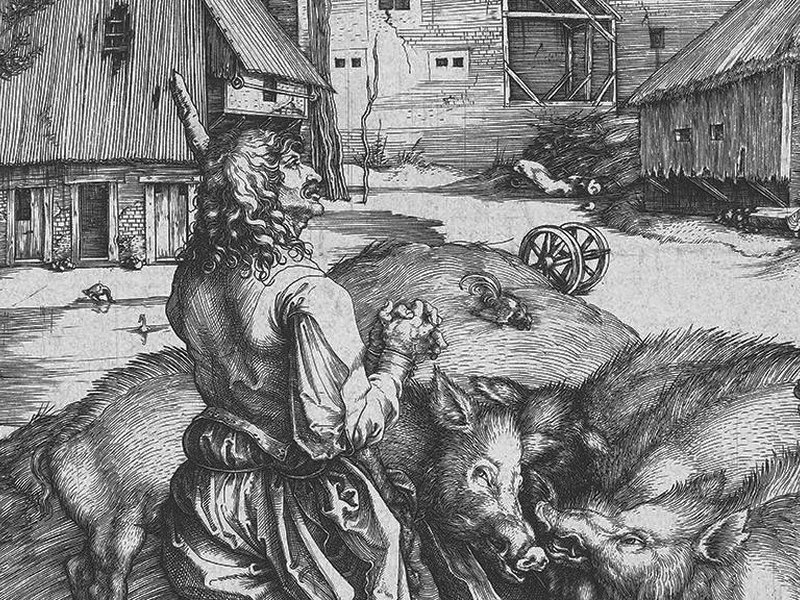
durer-prodigal-son-2
Luke

Perspectives on the Prodigal, (Part 2)

In the first essay on the parable of the Prodigal Son, I suggested that the problems commentators and others encounter in interpreting Jesus three-part parable are not accidental. These are not just problems in our ignorance of cultural background. They are intentional features of the stories —stories designed to poke…

by Ralph Allan SmithJuly 11, 2019
durer-prodigal-son-2
Luke

Perspectives on the Prodigal, (Part 1)

The story of the Prodigal Son is perhaps the most well-known story in the Bible. As others have observed, it may also be one of the most misunderstood. In two short essays, I will point out features of this story that are commonly neglected, aspects of Jesus’ parable that might…

by Ralph Allan SmithJuly 9, 2019
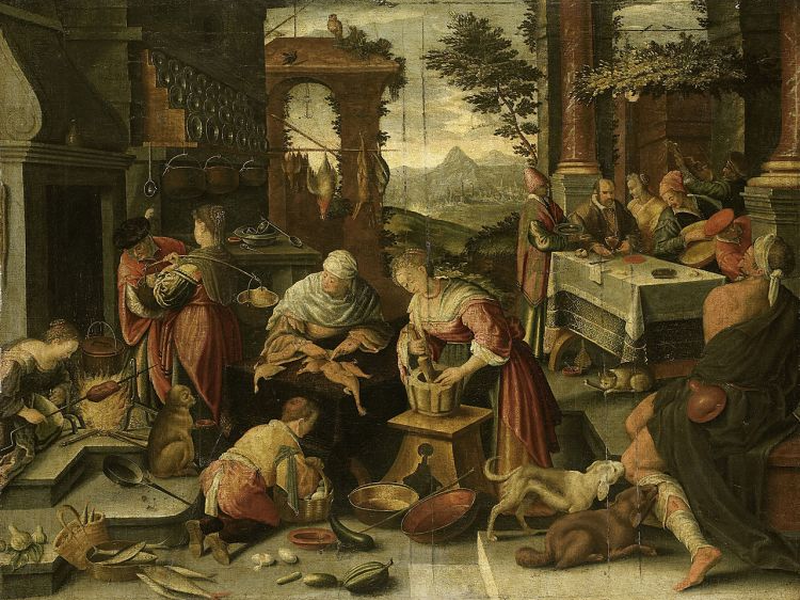
de-rijke-man-en-de-arme-lazarus-by-jacopo-da-ponte-16th-century
Luke

Lazarus and the Rich Man

The parable of Lazarus and the nameless rich man is not an independent story. It is part of a long context that begins in Luke 15:1, where Jesus is eating with tax collectors and sinners and the scribes and Pharisees grumble. In response to their hardheartedness, Jesus tells a three-part…

by Ralph Allan SmithJuly 4, 2019
aaron-burden-uynrnfdkjwg-unsplash
Luke

Everybody has Dropsy - Luke 14:1-24

The Bible is written so that even when a reader cannot pick up on what might be deeper or more detailed aspects of a text, there is virtually always a message to be heard. In the ancient world, where the “reader” of Scripture would likely be a church official facing…

by Ralph Allan SmithJuly 2, 2019
communion
Biblical Theology

Fruit Trees and Grain Plants

The distinction between garden (or vineyard) and field begins in Genesis 2. This relates to the ordering of the formless world. Plants of the field are contrasted with the garden planted by God in Genesis 2:5&8. Later on, under the Old Covenant the Israelites will be required to keep their…

by James B. JordanJune 27, 2019

Showing page 77 of 309

See all

Showing page 15 of 43

See all

Creative Wrath

In contrast to other commentators, Stephen Smalley ( The Revelation to John ) doesn't think the “wrath” of God in Revelation should be understood as “the impersonal consequence of sin, worked out in history and disclosed at the parousia.” In Revelation and the rest of the New Testament, rather, “‘wrath'…

May 20, 2015

Songs of Bond

Adrian Daub and Charles Kronengold examine the James Bond Songs in a forthcoming book. It doesn't seem an especially promising subject; it's not the kind of thing you expect from the venerable Oxford University Press. But Daub and Kronengold show that the music is revealing in more ways that the…

May 20, 2015

Wine of Passion

Babylon is first mentioned in Revelation in 14:8, and is immediately associated with wine. It's called the “wine of the passion of her immorality.” That suggests a number of connections. The Song of Songs links wine with love: Love is better than wine, and the lovers drink each other and…

May 20, 2015

Eating Together

Drawing on Andrew Walls's idea of the “Ephesian moment” in world Christianity, Emmanuel Katongole notes that the coming together of different cultures into the church depends on a common table: “the expression and test of that coming together was the meal table: ‘two cultures historically separated by the meal table…

May 19, 2015

Angelic gospel

Three angels issue announcements in Revelation 14. The first angel is said to be flying in midheaven (14:6), the same phrase used for the eagle who appears after the fourth trumpet blows (8:13). Both speak with a loud voice (8:13; 14:7). The messages are somewhat contrasting: The angel announces three…

May 19, 2015

Structure of Revelation 14

Scholars have doubted the coherence of this chapter, one calling is a “pastiche” of themes from other parts of the book of Revelation. In a brilliant article, Pieter GR de Villiers has presented a compelling structural analysis of the whole chapter. As a number of scholars have pointed out, chapter…

May 19, 2015

Showing page 424 of 2212

Browse by Category

In Medias Res

Your weekly digest for all things Theopolis.

Donate

Theopolis is nearly 100% donor-supported. Consider joining us on our mission.