Theopolis Logo

Writing

Explore our collection of theological essays, biblical studies, and reflections on faith and culture.

See all
tanner-mardis-xuxghzhibn4-unsplash-1-2
Biblical Studies

Tweets-turned-Notes on the Bible’s Chronology

Summary In what follows, I will consider the “year-stamps” employed in Scripture, i.e., statements of the form, “Such-and-such an event took place in the Xth year of Y.” In the process, I will suggest some ways in which the Biblical narrative might relate to events in the extra-Biblical world, though…

by James BejonJuly 16, 2019
durer-prodigal-son-2
Luke

Perspectives on the Prodigal, (Part 2)

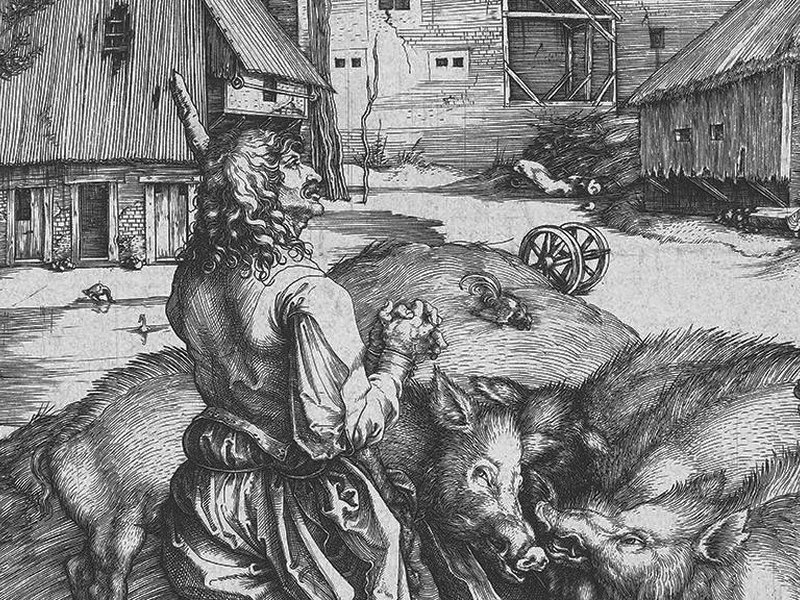
In the first essay on the parable of the Prodigal Son, I suggested that the problems commentators and others encounter in interpreting Jesus three-part parable are not accidental. These are not just problems in our ignorance of cultural background. They are intentional features of the stories —stories designed to poke…

by Ralph Allan SmithJuly 11, 2019
durer-prodigal-son-2
Luke

Perspectives on the Prodigal, (Part 1)

The story of the Prodigal Son is perhaps the most well-known story in the Bible. As others have observed, it may also be one of the most misunderstood. In two short essays, I will point out features of this story that are commonly neglected, aspects of Jesus’ parable that might…

by Ralph Allan SmithJuly 9, 2019
de-rijke-man-en-de-arme-lazarus-by-jacopo-da-ponte-16th-century
Luke

Lazarus and the Rich Man

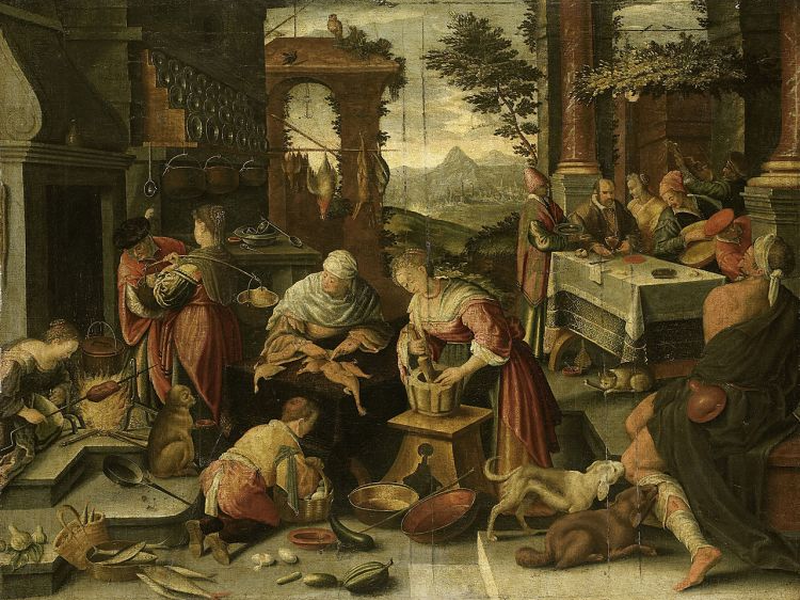
The parable of Lazarus and the nameless rich man is not an independent story. It is part of a long context that begins in Luke 15:1, where Jesus is eating with tax collectors and sinners and the scribes and Pharisees grumble. In response to their hardheartedness, Jesus tells a three-part…

by Ralph Allan SmithJuly 4, 2019
aaron-burden-uynrnfdkjwg-unsplash
Luke

Everybody has Dropsy - Luke 14:1-24

The Bible is written so that even when a reader cannot pick up on what might be deeper or more detailed aspects of a text, there is virtually always a message to be heard. In the ancient world, where the “reader” of Scripture would likely be a church official facing…

by Ralph Allan SmithJuly 2, 2019
communion
Biblical Theology

Fruit Trees and Grain Plants

The distinction between garden (or vineyard) and field begins in Genesis 2. This relates to the ordering of the formless world. Plants of the field are contrasted with the garden planted by God in Genesis 2:5&8. Later on, under the Old Covenant the Israelites will be required to keep their…

by James B. JordanJune 27, 2019

Showing page 77 of 309

See all

Showing page 16 of 43

See all

Battle of the Soul

Prudentius’s Psychomachia (5 th century AD) is one of the first and one of the most influential of medieval allegories. It is the source of the battle of Virtue and Vice that was one of the key themes of medieval allegory, which carries right into the Elizabethan allegory of Spenser's…

April 27, 2015
johann_gottfried_von_herder_by_john_sartain
Nationalism

Nations: Grown or Imagined?

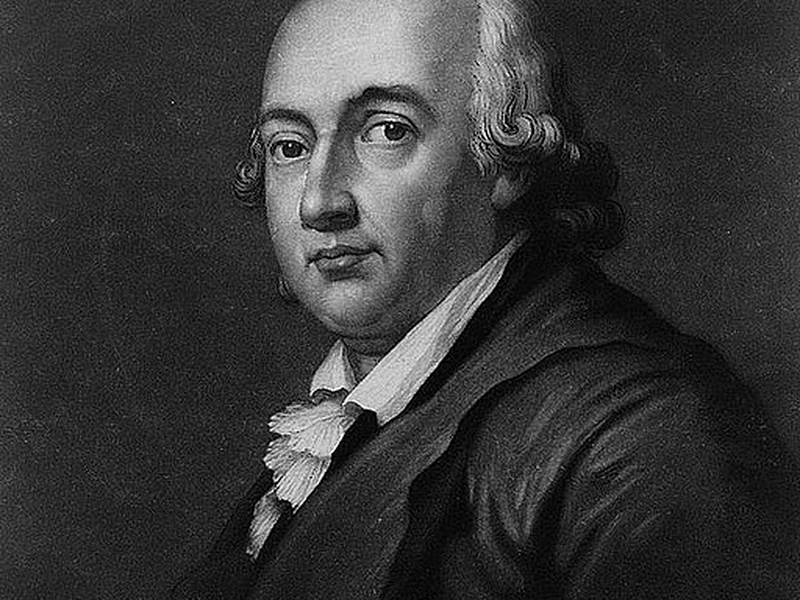
R omantic thinkers like Johann Gottfried Herder, developed an organic conception of nationhood. For Herder, a nation is an extended family, and so a perfect nation, the most natural state, is “one nation, an extended family with one national character." (I rely on this essay by Richard White.) People have…

April 27, 2015

Imagining Finland

Nations are “imagined communities,” and one of the ways nations imagine themselves is to imagine themselves as very, very old. The Finnish epic, the Kalevala , serves as an illustration of the nexus between ancient literature and national identity. Anderson writes ( Imagined Communities , 74-5), “In the eighteenth century…

April 27, 2015

The Un-Dante

In a contribution to Petrarch: A Critical Guide to the Complete Works Teodolinda Barolini contrasts the love poetry of Petrarch's Rerum vulgarium fragmenta (also known as the Canzoniere ) with that of Dante. Petrarch continues the courtly paradigm. His interest is in the shifting psychology and drama of the male…

April 27, 2015

Deflating Humanism

In his E nglish Literature in the Sixteenth Century , CS Lewis makes two deflationary comments about the effects of Renaissance humanism. First, “The ‘barbarous’ books [of medieval Latin] have survived in the only sense that really matters: they are used as their authors meant them to be used. It…

April 24, 2015

Mystic Ark

Conrad Rudolph's The Mystic Ark is the product of impressive scholarship. Its focus is on the image of the mystic ark, a complex cosmic portrait showing “the Majesty” (looking like Jesus) enthroned, flanked by angels, holding a large disk, inscribed with a square turned sideways like a diamond. Inside the…

April 24, 2015

Showing page 435 of 2212

Browse by Category

In Medias Res

Your weekly digest for all things Theopolis.

Donate

Theopolis is nearly 100% donor-supported. Consider joining us on our mission.