Theopolis Logo

Writing

Explore our collection of theological essays, biblical studies, and reflections on faith and culture.

See all
elijah-1200x630-min
Biblical Horizons

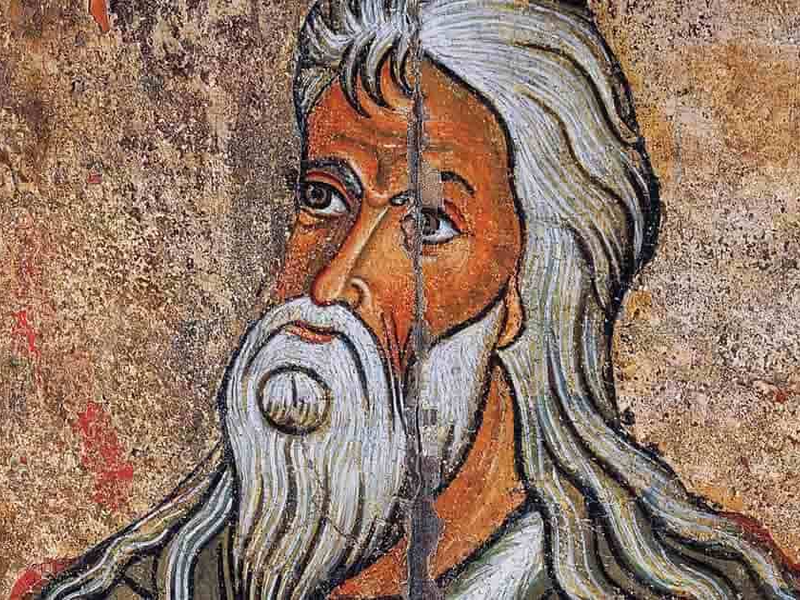
Elijah’s Exodus

1 Kings 17, which abruptly introduces Elijah into the history of the northern kingdom, is a carefully constructed literary unit. In its basic structure, it follows a clear exodus-return pattern. Like Jacob and his sons, Elijah was driven out of the land by a famine (vv. 1-4). In exile, Elijah…

by Peter LeithartJune 17, 1992

ales-krivec-4mibe6zg5r0-unsplash
Biblical Studies

All Things New

Now the Pharisees, who were lovers of money, were listening to all these things and they were scoffing at Him. And He said to them, "You are those who justify yourselves in the sight of men, but God knows your hearts; for that which is highly esteemed among men is…

by Mark HorneJune 6, 1992
aaron-burden-h8s0pf2rcqs-unsplash
Biblical Chronology

Chronologies and Kings, Part 11: The Knots of 2 Kings 11-14

In the year 3119, Ahaziah of Judah and Jehoram of Israel were both slain by Jehu as he carried out his God-appointed task of eliminating the seed and house of Ahab (2 Kings 9:13-33). Since the kings of Israel are usually counted as beginning their reign in the same year…

by James B. JordanMay 24, 1992
trnava-university-beeyeib-am8-unsplash
Biblical Studies

Gleanings from Robert Alter’s "Art of Biblical Narrative"

One of the most important developments in Biblical studies in recent years has been a movement of scholars devoted to studying the literary techniques of the Biblical writers. Tremper Longman, III of Westminster Theological Seminary has treated this movement from a Reformed perspective in his Literary Approaches to Biblical Interpretation…

by Peter LeithartMay 17, 1992
ian-schneider-iqbc4vu4ypq-unsplash
Biblical Horizons

Tentmaking

And because [Paul] was of the same trade, he stayed with [Aquila and Priscilla] and they were working; for by trade they were tentmakers (Acts 18:3). The fact that Paul was by trade a tentmaker has usually been taken as the springboard for a discussion of whether pastors should have…

by James B. JordanApril 24, 1992
screen-shot-2022-05-12-at-12-07-23-pm
Biblical Studies

Chronologies and Kings, Part 10: Jehoram of Judah

I pointed out in Chronologies and Kings Part 9 that the years of Judah’s kings are given in chronological fashion. "When we read of a Judahite king’s reign as lasting 4 years, it means that 4 years of the chronology have been given to him, and there is no chronological…

by James B. JordanApril 24, 1992

Showing page 290 of 309

See all

Showing page 16 of 43

See all

Portion and Inheritance

Israel’s priests did not inherit land. Many lived in cities and they possessed the land immediately surrounding. But they did not get a separate plot when the land was divided. Yahweh said He was their inheritance (Numbers 18:19), and He said it chiastically: A. In the land you will not…

December 31, 2014
Theology

The Structure of Promising

Christoph Schwobel’s contribution to Justification in a Post-Christian Society is characteristically grand. Exploring what contribution Lutheranism can make to contemporary society, he focuses on central Lutheran concerns - promise and trust. His explanation of the grammar of promise is densely brilliant: “The central distinction between law and gospel only becomes…

December 31, 2014
Theology

God of Promise

Christoph Schwobel’s analysis of promising ( Justification in a Post-Christian Society ) opens out into a discussion of theology proper with a reference to Luther’s claim that God identifies Himself in Exodus 3:14 as the God who promises Himself, “so that this promise is God’s essence in relation to which…

December 31, 2014

We Have An Altar

“We have an altar, from which those who serve the tabernacle have no right to eat. For the bodies of those animals whose blood is brought into the holy place by the high priest as an offering for sin are burned outside the camp. Therefore Jesus also, that He might…

December 30, 2014
Reformation

Catholic in Reformed

In his study of Calvin’s Company of Pastors , Scott Manetsch estimates that “just under 5 percent of all excommunications” in Geneva were imposed because of “Catholic behavior” (203). By this phrase, he refers to “instances where people voluntarily aligned themselves with some dimension of Roman Catholic faith or practice,…

December 30, 2014
Economics

Invisible Hand

Adam Smith wrote, briefly in several places, of an invisible hand that guided economic life. The work of this invisible hand was to bend self-interested actions to socially beneficent ends. As Smith wrote in The Wealth of Nations : “By preferring the support of domestic to that of foreign industry,…

December 29, 2014

Showing page 481 of 2212

Browse by Category

In Medias Res

Your weekly digest for all things Theopolis.

Donate

Theopolis is nearly 100% donor-supported. Consider joining us on our mission.