Theopolis Logo

Writing

Explore our collection of theological essays, biblical studies, and reflections on faith and culture.

See all
tanner-mardis-xuxghzhibn4-unsplash-1-2
Biblical Studies

Tweets-turned-Notes on the Bible’s Chronology

Summary In what follows, I will consider the “year-stamps” employed in Scripture, i.e., statements of the form, “Such-and-such an event took place in the Xth year of Y.” In the process, I will suggest some ways in which the Biblical narrative might relate to events in the extra-Biblical world, though…

by James BejonJuly 16, 2019
durer-prodigal-son-2
Luke

Perspectives on the Prodigal, (Part 2)

In the first essay on the parable of the Prodigal Son, I suggested that the problems commentators and others encounter in interpreting Jesus three-part parable are not accidental. These are not just problems in our ignorance of cultural background. They are intentional features of the stories —stories designed to poke…

by Ralph Allan SmithJuly 11, 2019
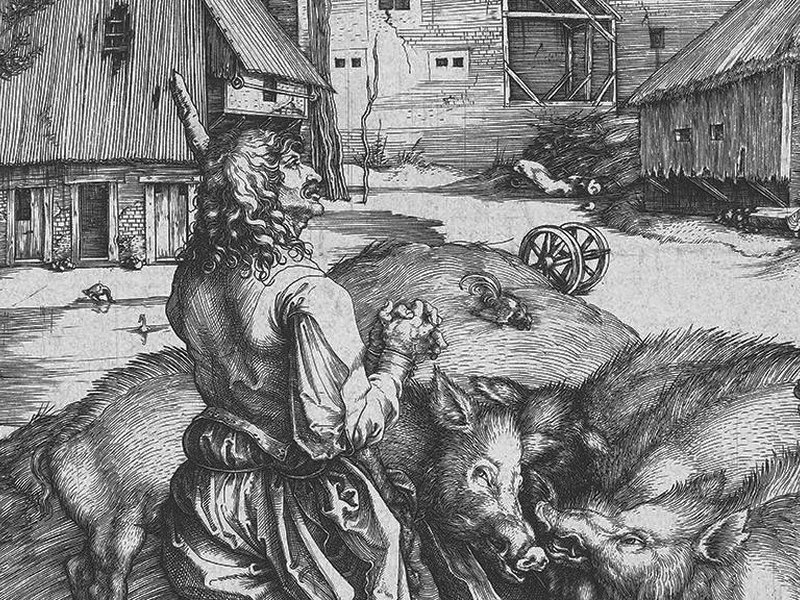
durer-prodigal-son-2
Luke

Perspectives on the Prodigal, (Part 1)

The story of the Prodigal Son is perhaps the most well-known story in the Bible. As others have observed, it may also be one of the most misunderstood. In two short essays, I will point out features of this story that are commonly neglected, aspects of Jesus’ parable that might…

by Ralph Allan SmithJuly 9, 2019
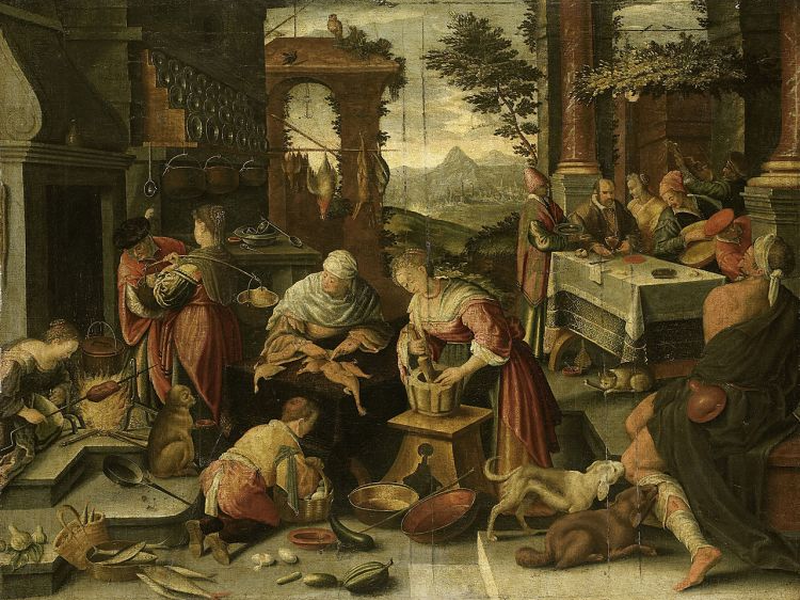
de-rijke-man-en-de-arme-lazarus-by-jacopo-da-ponte-16th-century
Luke

Lazarus and the Rich Man

The parable of Lazarus and the nameless rich man is not an independent story. It is part of a long context that begins in Luke 15:1, where Jesus is eating with tax collectors and sinners and the scribes and Pharisees grumble. In response to their hardheartedness, Jesus tells a three-part…

by Ralph Allan SmithJuly 4, 2019
aaron-burden-uynrnfdkjwg-unsplash
Luke

Everybody has Dropsy - Luke 14:1-24

The Bible is written so that even when a reader cannot pick up on what might be deeper or more detailed aspects of a text, there is virtually always a message to be heard. In the ancient world, where the “reader” of Scripture would likely be a church official facing…

by Ralph Allan SmithJuly 2, 2019
communion
Biblical Theology

Fruit Trees and Grain Plants

The distinction between garden (or vineyard) and field begins in Genesis 2. This relates to the ordering of the formless world. Plants of the field are contrasted with the garden planted by God in Genesis 2:5&8. Later on, under the Old Covenant the Israelites will be required to keep their…

by James B. JordanJune 27, 2019

Showing page 77 of 309

See all

Showing page 17 of 43

See all

Justice and Faith in Acts

Paul's sermons in Acts 13 and 17 both employ language connected with the theme of justification that occupies so much attention in Romans and Galatians. Yet Paul uses the same concepts and terminology in ways that don't seem to fit his usage in the epistles. In Acts 13:38-39, he tells…

April 26, 2016

Protestant Individualism?

In her book on Common Prayer , Ramie Targoff claims that “What emerges in the aftermath of the Reformation is less a triumphant embrace of the individual's private and individual self than a concerted effort to shape the otherwise uncontrollable and unreliable internal sphere through common acts of devotion” (6).…

April 26, 2016

Sons of Levi

The genealogy of Levi is at the center of the genealogical section of 1 Chronicles. The genealogy begins with Adam and reaches ahead to the restoration from exile. In short, the genealogies survey all of human history, and, with the Levites at the center, it's as if the human race…

April 25, 2016

Atoning Alms

Early on in David Downs's study of Alms and atonement in early Christianity, he offers this striking quotation from Basil. He urges his hearers to keep the commandment to feed the hungry “as you would take hold of a fugitive, securing it from all sides with grasping hands and encircling…

April 25, 2016

Suffering Historiography

Theological investigations of Naziism are often dogged by “a subtle methodological difficulty,” writes Paul Hinlicky in Before Auschwitz (2): “the ‘retrospective fallacy,' sometimes also called ‘presentism.'” As Hinlicky explains, “Unlike the historical actors in church and society during the 1920s and 1930s in Germany, our inquiry benefits from certain knowledge…

April 25, 2016

Pagans and their Images

Paul's criticism of idols in his Athens speech repeats philosophical commonplaces about the nature of God and the difference between God and images, commonplaces as old as Plato and as contemporary as Seneca. But they were philosophical commonplaces. Lane Fox has pointed out that the philosophical skepticism about images was…

April 21, 2016

Showing page 296 of 2212

Browse by Category

In Medias Res

Your weekly digest for all things Theopolis.

Donate

Theopolis is nearly 100% donor-supported. Consider joining us on our mission.