Theopolis Logo

Writing

Explore our collection of theological essays, biblical studies, and reflections on faith and culture.

See all
tanner-mardis-xuxghzhibn4-unsplash-1-2
Biblical Studies

Tweets-turned-Notes on the Bible’s Chronology

Summary In what follows, I will consider the “year-stamps” employed in Scripture, i.e., statements of the form, “Such-and-such an event took place in the Xth year of Y.” In the process, I will suggest some ways in which the Biblical narrative might relate to events in the extra-Biblical world, though…

by James BejonJuly 16, 2019
durer-prodigal-son-2
Luke

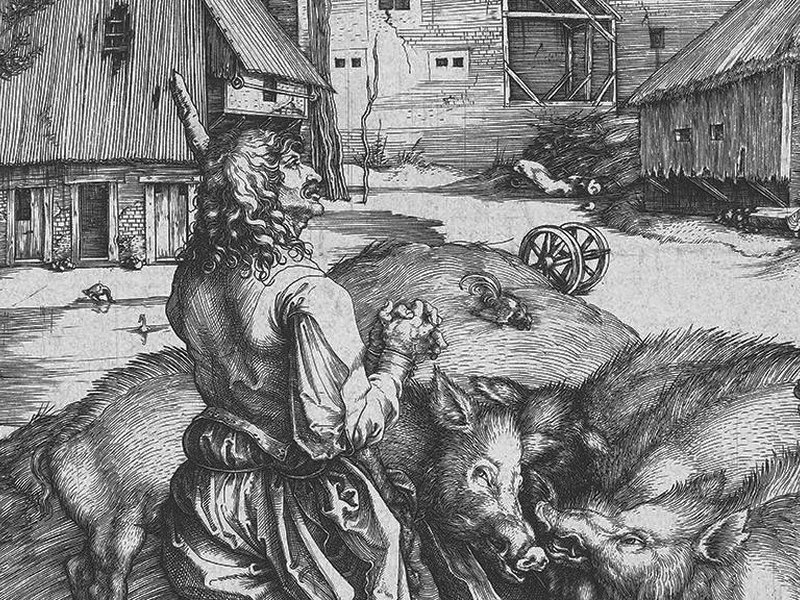
Perspectives on the Prodigal, (Part 2)

In the first essay on the parable of the Prodigal Son, I suggested that the problems commentators and others encounter in interpreting Jesus three-part parable are not accidental. These are not just problems in our ignorance of cultural background. They are intentional features of the stories —stories designed to poke…

by Ralph Allan SmithJuly 11, 2019
durer-prodigal-son-2
Luke

Perspectives on the Prodigal, (Part 1)

The story of the Prodigal Son is perhaps the most well-known story in the Bible. As others have observed, it may also be one of the most misunderstood. In two short essays, I will point out features of this story that are commonly neglected, aspects of Jesus’ parable that might…

by Ralph Allan SmithJuly 9, 2019
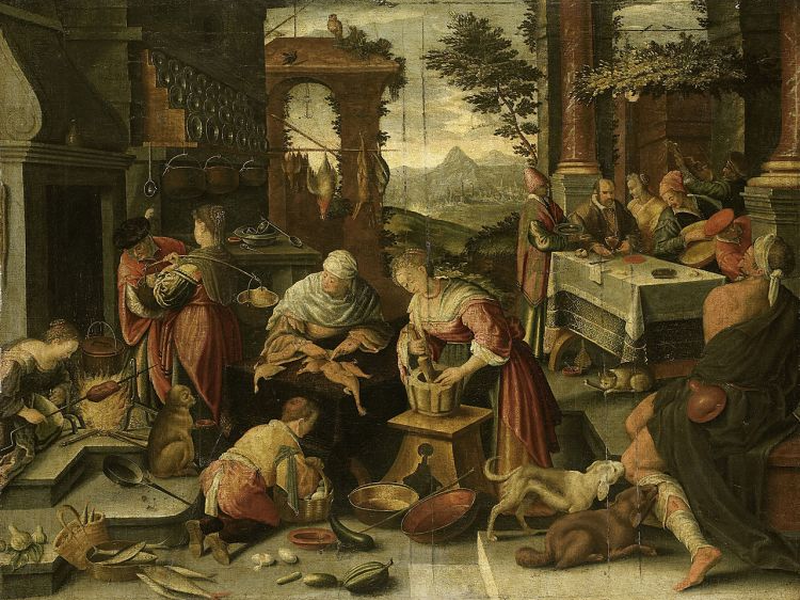
de-rijke-man-en-de-arme-lazarus-by-jacopo-da-ponte-16th-century
Luke

Lazarus and the Rich Man

The parable of Lazarus and the nameless rich man is not an independent story. It is part of a long context that begins in Luke 15:1, where Jesus is eating with tax collectors and sinners and the scribes and Pharisees grumble. In response to their hardheartedness, Jesus tells a three-part…

by Ralph Allan SmithJuly 4, 2019
aaron-burden-uynrnfdkjwg-unsplash
Luke

Everybody has Dropsy - Luke 14:1-24

The Bible is written so that even when a reader cannot pick up on what might be deeper or more detailed aspects of a text, there is virtually always a message to be heard. In the ancient world, where the “reader” of Scripture would likely be a church official facing…

by Ralph Allan SmithJuly 2, 2019
communion
Biblical Theology

Fruit Trees and Grain Plants

The distinction between garden (or vineyard) and field begins in Genesis 2. This relates to the ordering of the formless world. Plants of the field are contrasted with the garden planted by God in Genesis 2:5&8. Later on, under the Old Covenant the Israelites will be required to keep their…

by James B. JordanJune 27, 2019

Showing page 77 of 309

See all

Showing page 17 of 43

See all

Love Stronger Than Death, 1

“Love is as strong as death, and jealousy as Sheol.” A fine sentiment, but what does it mean? Maybe it means that love is as inevitable as death. We’re all going to die; our last resting place in this creation is the grave. Perhaps Solomon says that love is inevitable…

October 26, 2015

Jesus, Joseph, and Nazirite Vows

In his contribution to Searching the Scriptures , Roger Aus examines Mark 14:25 (Jesus says, “I will never again drink the fruit of the vine until that day when I drink it new in the kingdom of God”). He takes its as a Nazirite vow to refrain from wine until…

October 26, 2015

Baptism and the New World

Stephen Turley ( The Ritualized Revelation of the Messianic Age ) doesn't think standard treatments of Paul's baptismal formula in Galatians 3 get the point. The standard options - ex opere operato and ex opere operantis - share the “common false assumption: they both place pistis and baptizein in a…

October 26, 2015

On Divine and Bestial Eternity

Early in Revelation, the Father is described as the one who “is and who was and who comes” (Revelation 1:4). 1:8 suggests that the Trinity might be described in the same way. The Trinity is not a God immune to time; the eternality of the Trinity is the eternality of…

October 23, 2015
Art

Ironies of Participation

Hal Foster's Bad New Days is an assessment of the past twenty-five years of European and American art. Foster organizes his treatment under five themes - Abject, Archival, Mimetic, Precarious, and Post-Critical? One will notice that “beauty” is absent. Today's avant garde makes Francis Bacon look tame. One of Foster's…

October 23, 2015

Quotidian Wonders

Psalm 136 is a dialogic Psalm in which the second line of each verse is the same: “For His lovingkindness is everlasting.” The God of lovingkindness is the God of gods and Lord of lords. He is the Creator of sun, moon, stars, sea, and sky. He delivered Israel from…

October 23, 2015

Showing page 359 of 2212

Browse by Category

In Medias Res

Your weekly digest for all things Theopolis.

Donate

Theopolis is nearly 100% donor-supported. Consider joining us on our mission.