Theopolis Logo

Writing

Explore our collection of theological essays, biblical studies, and reflections on faith and culture.

See all
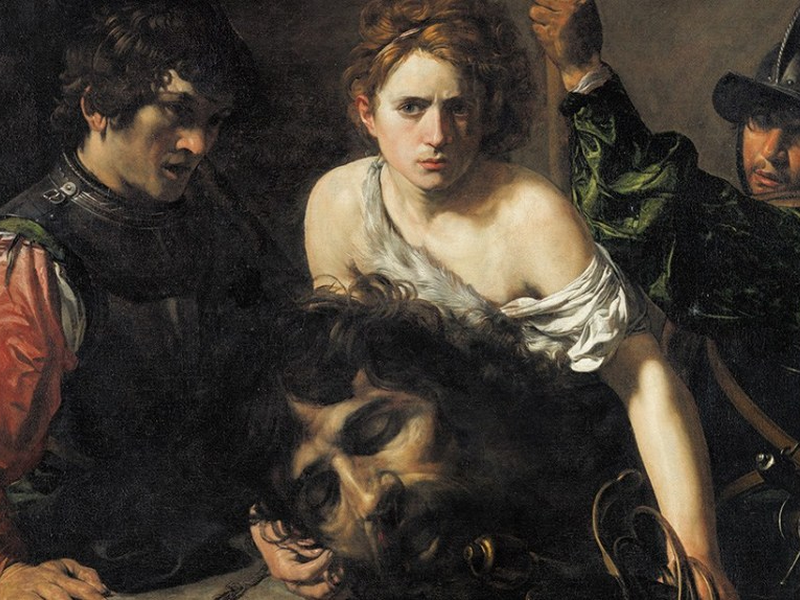
david-with-goliaths-head-and-soldiers-crop

David, Goliath, and the Body of Moses, Part 1

In the Bible, all the world is a stage, but like the Tabernacle, that stage moves around a lot. David’s defeat of Goliath can only be fully understood as liturgy fulfilled in history. Liturgy, as a sacrifice of praise, is the step-by-step process of resolving a conflict. It relinquishes all…

by Mike BullAugust 22, 2019

andrew-welch-eozrev7i3pi-unsplash
Aristotle

On Friendship

Aristotle isn’t fundamentally wrong about friendship, nor is the long tradition that follows him. But you might not gather that by reading some of the more pointed critics of the classical conception of friendship. I think, however, that the classical view is not only viable but taken up and fulfilled…

by Jack FranicevichAugust 20, 2019
jachan-devol-xdplirqchx8-unsplash
Epistemology

Integration: Putting the Pieces Together

#13 in Theopolis Papers, Seeking Integration in a Fragmented World It is time for me to “cast off” integration, the way a knitter removes a completed scarf from the needles. I want to bring my quest concerning integration to a decent closure, though my happy quest for reality continues. With…

by Esther Lightcap MeekAugust 13, 2019
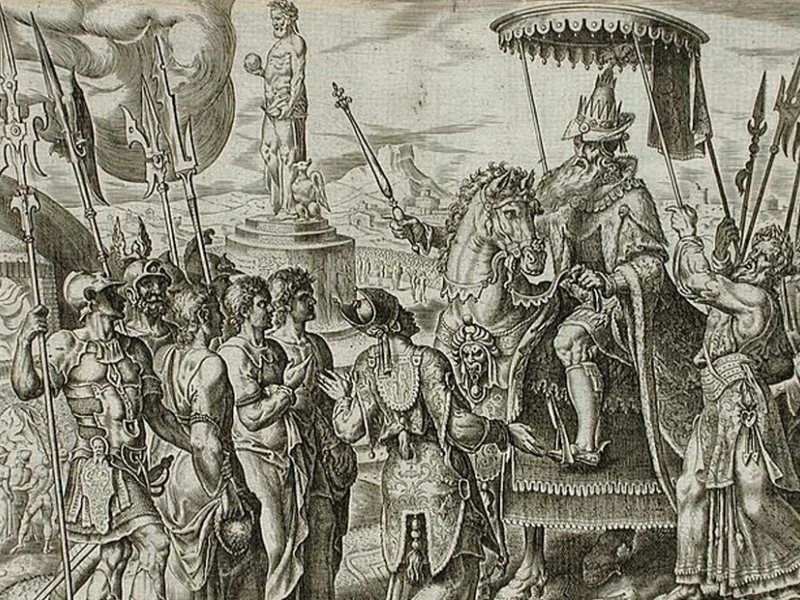
nebuchadnezzar
Revelation

Nebuchadnezzar’s Unfinished Symphony

Below are some notes on a particular sub-theme of Daniel 3, namely the downfall of Babylon’s liturgy. First up, a few words on our text’s literary construction. One of the most conspicuous features of Dan. 3 is its author’s love of lists . Personnel are listed (vs. 2, 3, 27),…

by James BejonAugust 6, 2019
e99a0657
Prayer

Praying for God's Good Name

Few things in Scripture, few things in the Christian life, are more familiar than the Lord’s Prayer. Sunday after Sunday, we pray these words together with our brothers and sisters. At home, alone or with our families, we pray this prayer daily, as Jesus taught us (Luke 11:2: “When you…

by John BarachJuly 30, 2019
catholicity_1
Culture

The Head, the Heart, and the “Gay Christian” Movement

At the 2019 General Assembly of the Presbyterian Church in America, the denominational delegates considered a number of official overtures (requests for action from the regional parts of the denomination) relating to issues of gender and sexuality. The PCA is conservative. As evidence of this, the assembly passed a resolution…

by Jonathan BarlowJuly 23, 2019

Showing page 76 of 309

See all

Showing page 17 of 43

See all

Battle of the Soul

Prudentius’s Psychomachia (5 th century AD) is one of the first and one of the most influential of medieval allegories. It is the source of the battle of Virtue and Vice that was one of the key themes of medieval allegory, which carries right into the Elizabethan allegory of Spenser's…

April 27, 2015
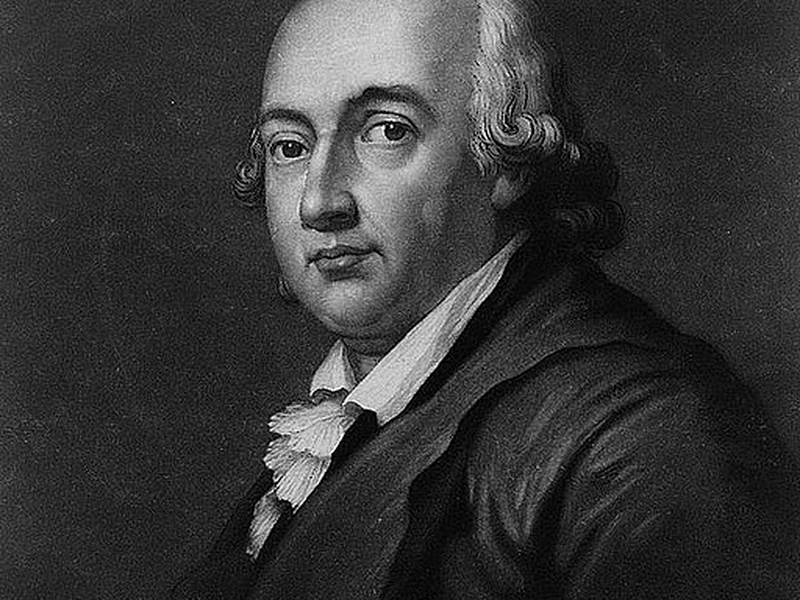
johann_gottfried_von_herder_by_john_sartain
Nationalism

Nations: Grown or Imagined?

R omantic thinkers like Johann Gottfried Herder, developed an organic conception of nationhood. For Herder, a nation is an extended family, and so a perfect nation, the most natural state, is “one nation, an extended family with one national character." (I rely on this essay by Richard White.) People have…

April 27, 2015

Imagining Finland

Nations are “imagined communities,” and one of the ways nations imagine themselves is to imagine themselves as very, very old. The Finnish epic, the Kalevala , serves as an illustration of the nexus between ancient literature and national identity. Anderson writes ( Imagined Communities , 74-5), “In the eighteenth century…

April 27, 2015

The Un-Dante

In a contribution to Petrarch: A Critical Guide to the Complete Works Teodolinda Barolini contrasts the love poetry of Petrarch's Rerum vulgarium fragmenta (also known as the Canzoniere ) with that of Dante. Petrarch continues the courtly paradigm. His interest is in the shifting psychology and drama of the male…

April 27, 2015

Deflating Humanism

In his E nglish Literature in the Sixteenth Century , CS Lewis makes two deflationary comments about the effects of Renaissance humanism. First, “The ‘barbarous’ books [of medieval Latin] have survived in the only sense that really matters: they are used as their authors meant them to be used. It…

April 24, 2015

Mystic Ark

Conrad Rudolph's The Mystic Ark is the product of impressive scholarship. Its focus is on the image of the mystic ark, a complex cosmic portrait showing “the Majesty” (looking like Jesus) enthroned, flanked by angels, holding a large disk, inscribed with a square turned sideways like a diamond. Inside the…

April 24, 2015

Showing page 435 of 2212

Browse by Category

In Medias Res

Your weekly digest for all things Theopolis.

Donate

Theopolis is nearly 100% donor-supported. Consider joining us on our mission.