Theopolis Logo

Writing

Explore our collection of theological essays, biblical studies, and reflections on faith and culture.

See all
cloister

Gatekeepers

1 Chronicles 9:1 seems to bring the genealogies of 1 Chronicles to an end. The Chronicler has recorded the genealogy of the human race from Adam, focusing on the descendants of Abraham through Jacob. Summing it all up, he says, “So all Israel was enrolled by genealogies; and behold, they…

by Peter LeithartJune 21, 2016
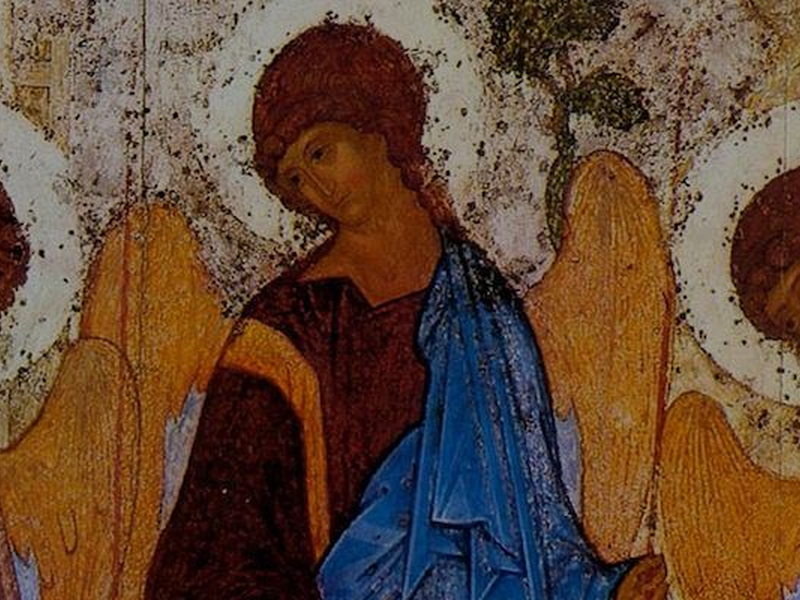
trinity-1-2
Trinity

Are the Divine Persons Persons?

The “personalist” understanding of the Trinity, articulated most influentially in the work of John Zizioulas, has fallen on hard times. Recent scholars have attacked Zizioulas’s idea that Cappadocian Trinitarianism represented an ontological revolution, hammering on the distinction between divine and human personhood. Michel Barnes’s conclusion is the most drastic of…

by Peter LeithartJune 16, 2016
img_4660-2
Architecture

On Biblical Theology

Biblical Theology is often defined as the historical unfolding of God’s revelation, or of God’s revelation and of the history of his covenantal redemption and transformation of humanity and the world. In practice, Biblical Theology is usually broader than this, and also includes the study of literary structure and of…

by James B. JordanJune 14, 2016
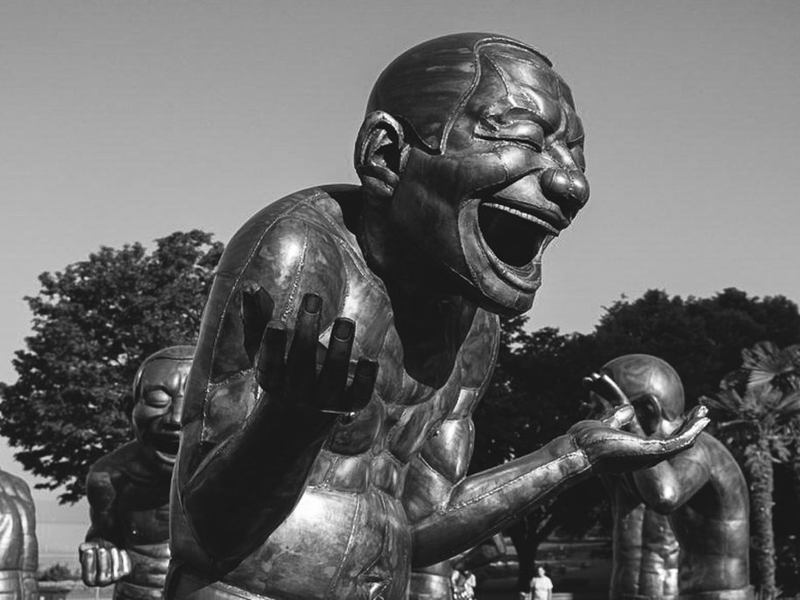
laughing_statue_by_xxbobbiie-d5f0meh-2
Humor

Wise Laughter

We are made to be happy. Created to enter into the eternal joy of God, our whole being inclines to that end, but the fallen world has put forth barriers and by our own sin we bar ourselves from that endless delight, and death blinds us to that reality. Yet…

by Remy WilkinsJune 7, 2016
img_7664
Liturgy

Why Theopolis? Take Two

At the end of Revelation, John sees the heavenly city descending to earth. The city shines with the brilliance of God's glory, which lightens the nations, so that kings bring their glory to the city. This is not a vision of the final new heaven and new earth. It's a…

by Peter LeithartJune 2, 2016
trinity-1-2
Attributes of God

How Can We Talk About God?

“No one has ever seen God,” writes John (John 1:18). If this is the case, then how can we speak about God? Some people say we actually cannot. Or at least we cannot speak about God positively, i.e. who He is. We can only say who or what God is…

by Bogumil JarmulakMay 31, 2016

Showing page 130 of 309

See all

Showing page 17 of 43

See all

Dangerous Tradition

Rex Koivisto argues ( One Lord, One Faith , 155-6) that all churches have traditions, including supposedly Bible-only Evangelicals. All traditions can harden into harmful habits, but Koivisto thinks that this danger is particularly threatening among Evangelicals who claim to be free of tradition. “The danger . . . comes…

April 13, 2015

The Marriage Pledge

The debate over the marriage pledge has died down, but it shouldn't be dismissed. It still has a useful function, a clarifying function. Those who signed the marriage pledge were refusing to sign state marriage licenses. The point behind the pledge was to distinguish between what the law now calls…

April 13, 2015

Springs and Rivers

Revelation is addressed to the church in a wilderness, a generation-long period between Jesus' exaltation and the fall of Jerusalem. Like Israel in the wilderness, the church needs to find sources of fresh, life-giving water. Fresh water is promised (7:17) and eventually given (21:5-6; 22:1, 17), but in between unpolluted…

April 13, 2015

Liberalism and the State

Steve Pincus argues that 1688 marked the “first modern revolution. The Glorious Revolution couldn't have taken the form it did without the “series of ideological debates that informed and transformed conceptions of state, religion, and society” in the middle of the century (8). From these debates emerged a vision for…

April 10, 2015

Pascalian Politics

Paul Griffiths ( Decreation ) argues that “quietism” about political interest and judgment is a sign here and now of the future quietus of heaven. “Quietism” doesn't mean a retreat from advocacy or passion. Citing Pascal, Griffiths lays out a version of political advocacy that renounces political calculations of a…

April 10, 2015

Judaizers Left and Right

Elizabethan Puritans were regularly denounced as “Judaizers” by others in the English church. After all, they were interested in Hebrew, kept the Sabbath, exhibited what others regarded as a legalistic strain in their piety. During the Laudian ceremony controversy of the 1630s, however, Puritans turned the tables and accused the…

April 9, 2015

Showing page 441 of 2212

Browse by Category

In Medias Res

Your weekly digest for all things Theopolis.

Donate

Theopolis is nearly 100% donor-supported. Consider joining us on our mission.