Theopolis Logo

Writing

Explore our collection of theological essays, biblical studies, and reflections on faith and culture.

See all
702827ansdl
Psalms

Reimagining Psalm 23

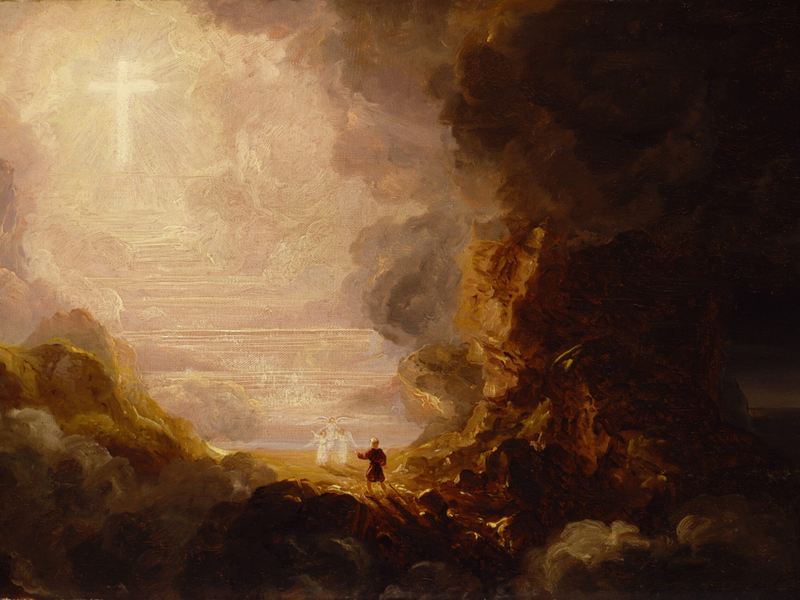
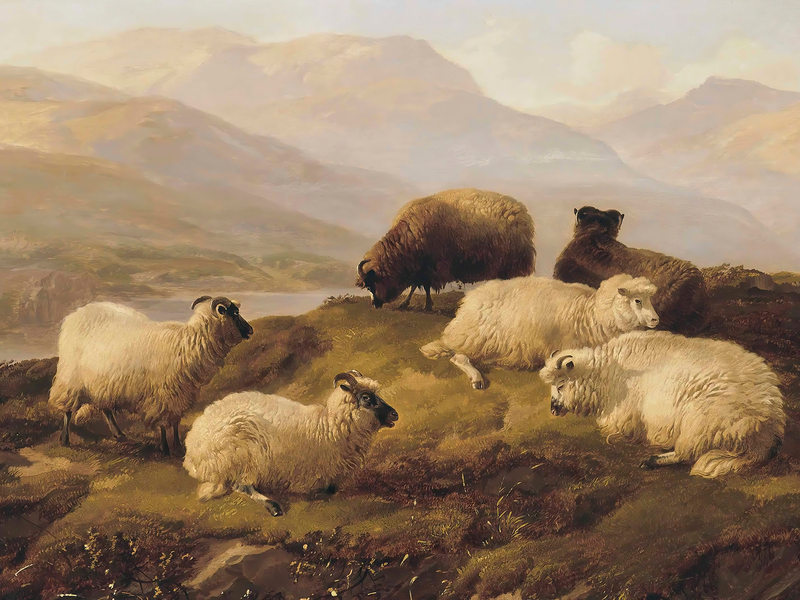
The Bible depicts Man’s transformation from beas t to priest in and through Jesus Christ. Two sets of people have their garments designed by God in the Torah: Adam and Eve and priests (of which the High Priest’s garments garner most attention). The first garment is beastly, while the second…

by Ben LoveladyApril 19, 2023
523501ldsdl
Church Government

The Rise and Dangers of Presbyterialism

I became the pastor of Westminster Bible Church in Bowling Green, Kentucky soon after completing my Ph.D. in church history. On paper, it was the ideal church for me. Even the name, I thought smacked of my preferences: the Westminster Confession with idealistic Biblicism. I didn’t know it had been,…

by John CarpenterApril 11, 2023
509477ldsdl
Luke

An Easter Meditation

Why do we believe in the resurrection of Jesus? It itself, it is utterly unbelievable, as the two disciples on the road to Emmaus also concluded (Luke 24:19-24). But why is it so unbelievable? Are there not many stories of a dead man or woman coming back to life? Stories…

by Ralph Allan SmithApril 9, 2023
screen-shot-2023-04-04-at-5-01-54-pm
Hope

Political Hope in the Negative World (Part 2)

In the first installment of this two-part essay, we provided a rough outline of a thick theological account of Christian hope. We concluded with mention of important critiques of such traditional views on hope, that by orienting Christians to place their ultimate hope in God and the future consummation of…

by James WoodApril 5, 2023
john-towner-3kv48ns4wuu-unsplash
Hope

Political Hope in the Negative World (Part 1)

Dare we hope in the midst of “ negative world ”? The idea of the “negative world” has recently served as a helpful framework for many to come to terms with the fact that Western societies (particularly the United States) are aggressively turning against their Christian roots and moral values.…

by James WoodMarch 28, 2023
frankie-lopez-yct5sucy6c0-unsplash
Biblical Studies

Luke’s Gospel of Seven

In his prologue, Luke tells us that his gospel history is an “orderly account” (1:3). Although generally chronological, time is not the only or the main organizing principle for his history. To argue for Luke’s main theme would take up too much space, but instead I want to explore one…

by Ryan HandermannMarch 24, 2023

Showing page 32 of 309

See all

Showing page 18 of 43

See all

Architecture of Fancy

T he title essay of John Summerson's Heavenly Mansions sets Gothic architecture in a story of the architecture of fancy. He begins with doll houses, and moves to aedicules, originally small buildings holding the image of a god that eventually became purely decorative alcoves. In Gothic, the ornament is turned…

February 17, 2017

Slow Grow

I n his Rise and Fall of American Growth , Robert J. Gordon argues that the growth rates for the American economy have leveled because the rate of innovation has leveled. And the rate of innovation has leveled, in part, because some innovations happen only once: The flood of inventions…

February 17, 2017

Anthropology of Deficiency

A ccording to Ingolf Dalferth ( Creatures of Possibility ), Christianity “contradicts a view that understands human beings in their fundamental dependence, finitude, and passivity, not merely biologically, but anthropologically, as deficient beings , interpreting their absolute dependence as absolute neediness, their finitude as a metaphysical evil, and their experience…

February 17, 2017

Passive Creativity

C hristian theology has long taught that we are “finite copies of the infinite Creator: created creators” (Dalferth, Creatures of Possibility , 198). Christian anthropology is eschatologically oriented: “Who we are is not determined by our origin; it will become evident in our future” (198). This comes to expression in…

February 17, 2017

Slackers

I t’s a challenge to get a clear idea of what slackers are really all about. Tom Lutz isolates the dilemma in his Doing Nothing (18-19): The famous or almost-famous idlers, loafers, loungers, and slackers throughout history had to produce work about not working in order for us to know…

February 17, 2017

Living Sacrifices

J oseph Ratzinger reflects on Romans 12:1-2 in his Theology of the Liturgy (349-51), which is evident in the Roman Canon's prayer that “our sacrifice may be rationabilis .” He writes: It is not enough—indeed, it is quite wrong—to translate this as saying that it should become rational. We are…

February 17, 2017

Showing page 205 of 2212

Browse by Category

In Medias Res

Your weekly digest for all things Theopolis.

Donate

Theopolis is nearly 100% donor-supported. Consider joining us on our mission.