Theopolis Logo

Writing

Explore our collection of theological essays, biblical studies, and reflections on faith and culture.

See all
hughes-auditorium-ryan-worthen-1024x576
American Culture

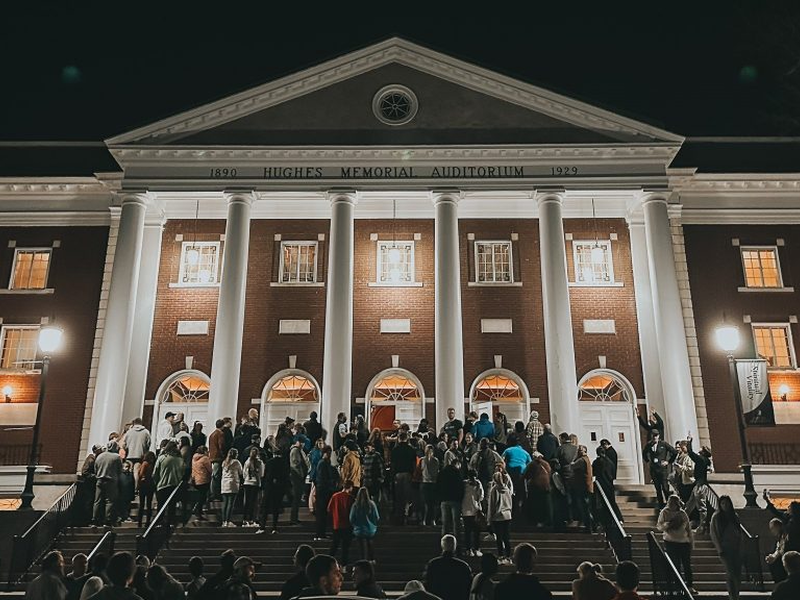
The Affections of Asbury

Over the past few days, quite the event has developed at Asbury University down in Wilmore, Kentucky. University students have appeared at the Hughes Auditorium to worship and sing praises to God, which has continued for over 90 hours at the time of this writing. There is recent reporting that…

by Charles JacobiFebruary 16, 2023
screen-shot-2023-02-14-at-1-15-58-pm
Apostle Paul

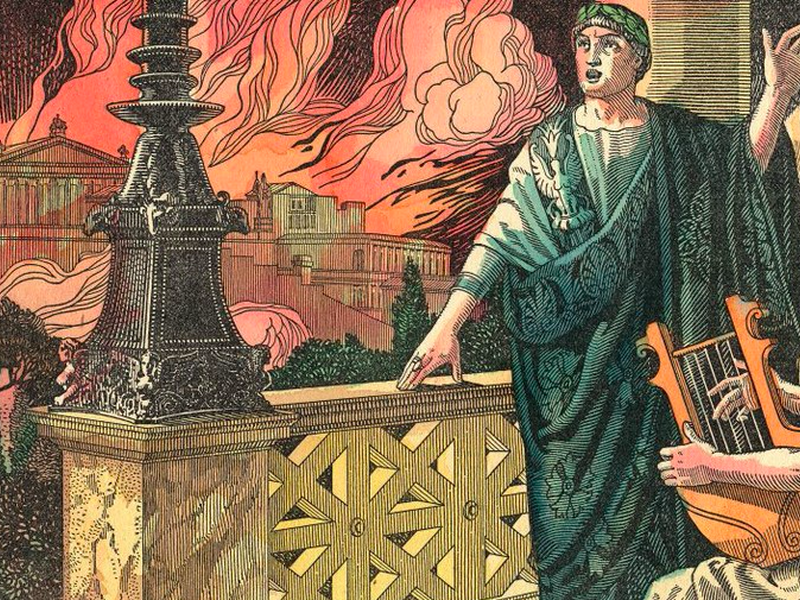
Paul and Nero

It is well-enough known that Nero was emperor from AD 54 when he was just 16 until his death as a young man of 30 in AD 68, just 14 years later. Paul ministered during most of those 14 years (we are not sure which year he died), accomplishing 3…

by Ralph Allan SmithFebruary 14, 2023
alexander-andrews-c91ls-jk7cw-unsplash
Apostle Paul

For Me to Live is Christ!

When the apostle Paul says, “For me to live is Christ!” (Philippians 1:21), we do not find it difficult to understand. Paul had been a faithful servant of Christ from the time that Christ confronted him on the road to Damascus (AD 30) and through Ananias told Paul that he…

by Ralph Allan SmithFebruary 9, 2023
vino-li-j4jjsfjkhpi-unsplash
Song of Songs

Bridal Song

I think there’s a layer to the Song of Songs which has been largely unexamined. The Song is about Christ and his church, Yahweh and Israel, the nature of the marriage covenant, and the marriage of the couple in the Song. But while the Song is “of Solomon” (or to…

by Daniel StanleyFebruary 8, 2023
screen-shot-2023-02-02-at-10-10-22-am
Biblical Studies

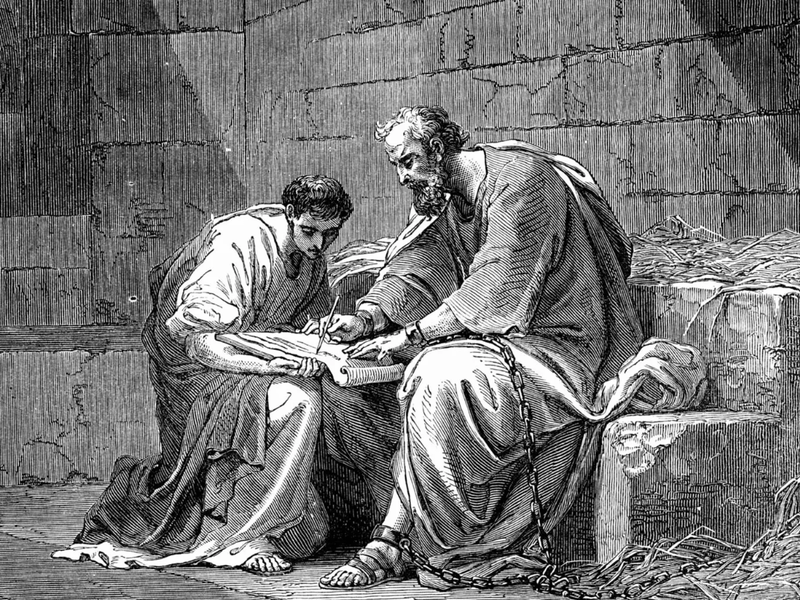
Paul and the Praetorian Guard

In Philippians 1:12-13, Paul informs his beloved brothers in Philippi that his Roman imprisonment — which one would naturally think hindered his ministry and the preaching of the Gospel — actually resulted in the surprising and wonderful progress of the Gospel. Of course, from our perspective 2000 years later and…

by Ralph Allan SmithFebruary 2, 2023
frank-mckenna-cseckew4tm0-unsplash
Biblical Theology

Abraham’s Seed: Heavens, Earth, and Sea Made New

In a recent post , I explored the threefold order of creation—heavens, earth, and sea—and suggested that in Genesis 1 God stamps heaven’s order, his own threefold nature, on the creation, giving earth a trinitarian shape. So what happens to the three-level architecture of creation after Genesis 1? We don’t…

by Josh JensenFebruary 1, 2023

Showing page 34 of 309

See all

Showing page 18 of 43

See all
Science

Doubts about Brain Death

Gary Greenberg raises doubts about “brain death” as a definition of death. The standard was introduced largely to facilitate organ donation and transplant, and it has become a fixture of bioethics. Greenberg points out that “brain death is not quite as certain as these bioethicists might like. A doctor cant…

January 18, 2014

Cut for Kingship

What does God commit Himself to when He makes a covenant with Abraham? Genesis 17 gives a number of specifics: Abraham will be a multitude of nations, his name will become Abraham, Yahweh will be God to Abraham and to his seed and will give them the land. Twice in…

January 17, 2014

Apocalyptic in Ordinary

Everyone is talking about “apocalyptic” today. I join the chorus and reflect on CS Lewis’s The Great Divorce as an exercise in apocalyptic theology.

January 17, 2014
Philosophy

End of Dialogue

Rosenstock-Huessy points out in one of the letters collected in Judaism Despite Christianity that Kant worked out his entire philosophy in conscious dialogue with Rousseau: “While he himself wants to stand metaphysics on its head, just as Kepler and Newton stood physics, yet he compares for his part Rousseau and…

January 17, 2014

Naive Sophistication

Rosenstock ( Judaism Despite Christianity: The 1916 Wartime Correspondence Between Eugen Rosenstock-Huessy and Franz Rosenzweig , 127-8) objects to Rosenzweig’s characterization of church history as a move from the church of the spirit to the church of dogma and tradition. Rosenstock thinks the dualism nonsense: “Every Christian experiences the dogmas…

January 17, 2014

From A to B

Rosenzweig locates a fundamental similarity between Judaism and Christianity in their mutual affirmation of protology and eschatology, which give form and meaning to the “middle things” that occur between A and B - that is, the middle things of world history. Rosenstock objects that the two are not equal simply…

January 17, 2014

Showing page 705 of 2212

Browse by Category

In Medias Res

Your weekly digest for all things Theopolis.

Donate

Theopolis is nearly 100% donor-supported. Consider joining us on our mission.