Theopolis Logo

Writing

Explore our collection of theological essays, biblical studies, and reflections on faith and culture.

See all
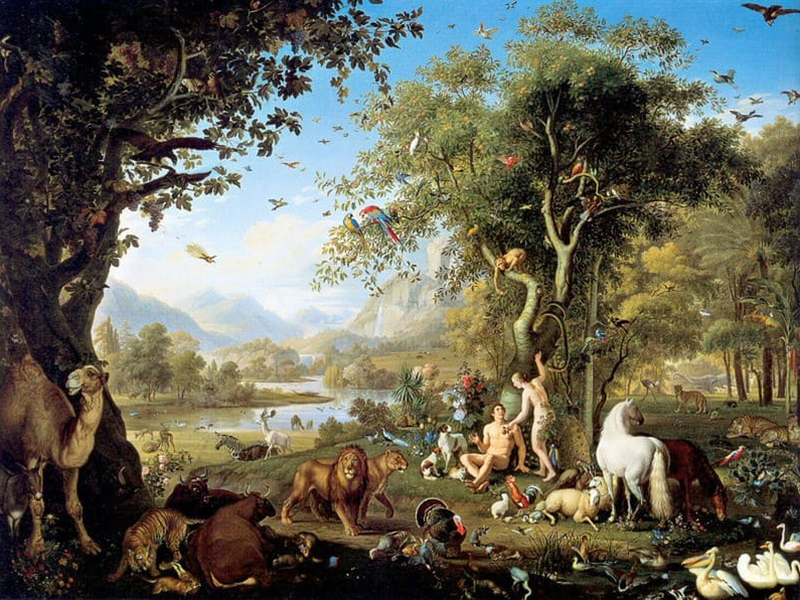
29994-adam-and-eve-in-the-garden-of-eden-800w-tn
Biblical Theology

Jesus in the Garden

Figure: Literary structure of the Garden narrative The Garden narrative describes God forming the adam , resting him in his presence, then provisioning for his appetites of food, vocation, and mate. It continues to describe a snake, the introduction of death, and humanity's expulsion from the garden. The pages of…

by Scott FairbanksJune 25, 2019
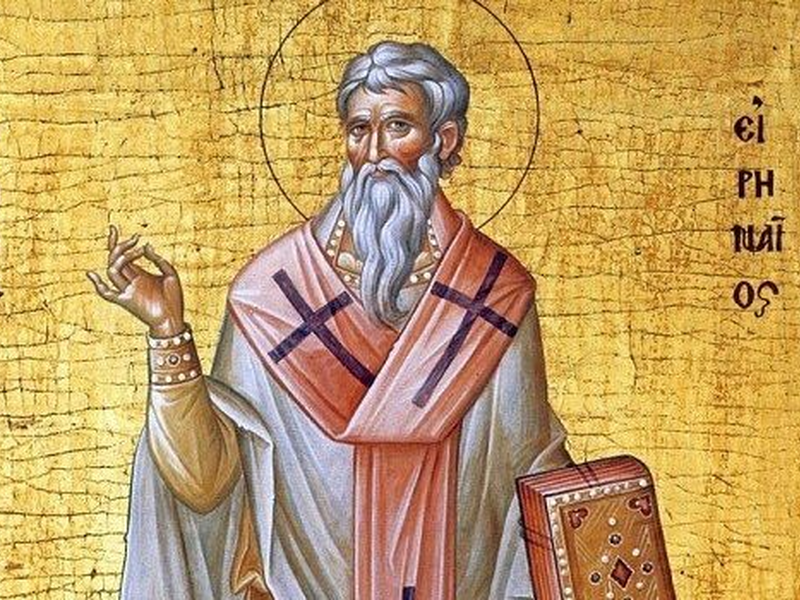
irenaeus-of-lyons-620x350
Christology

St. Irenaeus, the Beatific Vision, and the Instrumentalization of Creation

I’ve spent the last few years studying the theology of St. Irenaeus (d. circ. 200ad). In particular, I’ve been gripped by the way that Irenaeus consistently resisted the anti-body emphasis that emerged in later Christian theology. His eschatology is remarkably focused on the resurrection of the body, and the renewal…

by Gerald HiestandJune 18, 2019
aaron-burden-1ebsmyrau-s-unsplash
Exodus

The Light Before the Switch

Details of Jesus in Exodus 1:22-2:25 Although there are a great many Christ-types in the Old Testament, it is hard to overplay the obviousness of some that seem to necessarily rise to the top before others. One of these is Isaac, with his near sacrifice by his own father after…

by Eric RobinsonJune 11, 2019
thomas-habr-185321-unsplash
Biblical Theology

Characteristics of the Wicked City

What can we say about Cain's wicked sanctuary-city of Enoch? First that it was built with a brother's blood as its cornerstone. The Church is also built such, for Jesus was the younger brother of the whole Adamic race, slain by that company of older brothers because they hated Him.…

by James B. JordanJune 4, 2019
simon-caminada-107680-unsplash
Biblical Theology

Trees and Thorns

In Genesis 2:9 the ground brought forth trees good for food, delightful to view, and in two cases, life-giving or rule-bestowing. Adam, made of the ground (2:7), would by implication bring forth new trees, and thus trees and plants are among the symbols for human beings throughout the Bible. The…

by James B. JordanMay 28, 2019
annie-spratt-44241-unsplash
Biblical Theology

Trees for Food

One of the must fundamental teachings of the Bible and of the Christian religion is that man does not have life in himself. Man must get life from outside of himself, in order to maintain his life. The way this is done is through eating and drinking. Apart from life,…

by James B. JordanMay 21, 2019

Showing page 78 of 309

See all

Showing page 18 of 43

See all

At the breast

The Torah never mentions breasts as an object of erotic fascination; they are solely nourishment for infants. In the wisdom literature, things are different. Solomon encourages young men to delight in the breasts of their wives - not of another, a strange woman (Proverbs 5) -, and in the Song…

February 14, 2013

Uncontained beauty

Solomon describes the beauty of his beloved in a neat and symmetrical poem in Song of Songs 7:1-6. Framed by “how beautiful you are” (vv. 1, 6), the poem describes ten features of her body. He starts with her feet and his gaze makes its way up. The ten features…

February 14, 2013
Literature

Books and Covers

The old adage applies in spades to the covers of Pride and Prejudice sampled in the NYTBR . Don’t judge the book by any of these covers, especially the Lady Godiva, the Twilight knock-off, and the “smokin’ bad boy Darcy” ones.

February 14, 2013

Concealed technology

Technology promises to accomplish the same things that have always been done more efficiently. Borgmann is skeptical ( Technology and the Character of Contemporary Life: A Philosophical Inquiry ) (45-46), and he summarizes George Sturt’s The Wheelwright’s Shop (Craftsman) to explain the notion of the “concealment” of technology, the fact…

February 14, 2013

Devices and Machinery

In his Technology and the Character of Contemporary Life: A Philosophical Inquiry , Albert Borgmann makes a crucial distinction between a technical device and its machinery. This is “a specific instance of the means-ends distinction” (43), the machinery being the means by which the device becomes useful to its user.…

February 14, 2013
Uncategorized

Literary Names

Claude Rawson’s review of Alastair Fowler’s Literary Names: Personal Names in English Literature focuses on names used to mock and deride. Swift, for instance, “attached enormous importance to naming and not being named (a characteristic Fowler incidentally identifies with Milton’s fallen angels). Swift scrupulously marked with an ‘X; every reference…

February 14, 2013

Showing page 795 of 2212

Browse by Category

In Medias Res

Your weekly digest for all things Theopolis.

Donate

Theopolis is nearly 100% donor-supported. Consider joining us on our mission.