Theopolis Logo

Writing

Explore our collection of theological essays, biblical studies, and reflections on faith and culture.

See all
little-girl
Children

Honor God With Your Body

I am making a new rule in our house! We are actually kind of skimpy on the house rules. I try very hard to keep things simple: love God, love others, be joyful. It’s not complicated to avoid discipline here. But I have found myself repeating this new rule over…

by Lindsey TollefsonApril 9, 2015
giotto-noli-me-3
John

The Gardener and the Beloved, (Part 3)

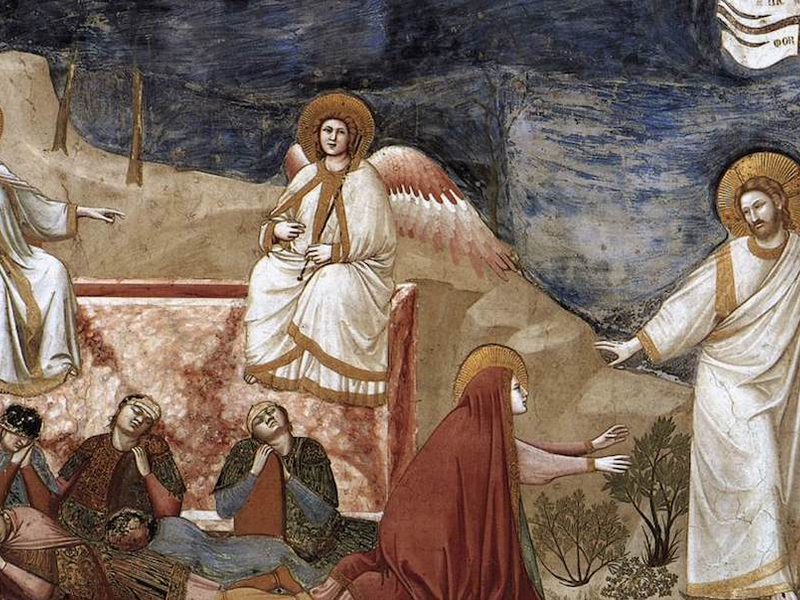
Click HERE for Part 2 The voice of Jesus transforms and changes Mary when she hears him speak her name. This is her last “turning.” So also the woman in the Song of Songs longs to hear the voice of her beloved. Let me see your face, let me hear…

by Jeff MeyersApril 6, 2015
giotto-noli-me-2
John

The Gardener and the Beloved, (Part 2)

Click HERE for Part 1. The details of this story call the attentive reader back to the drama of Solomon’s Song of Songs. And the Song of Song’s alludes to, ties us into the story of Adam and Eve in the Garden and the promise of a coming Messiah that…

by Jeff MeyersApril 4, 2015
easter-term-2015-2
Theopolis News

Easter Term, 2015

“The course was a paradigm shift for me,” said Jonathan Sedlak, a Milwaukee electrical contractor who attended Theopolis’s course on Revelation. “I am left with a book that is far more practical than it has ever seemed before.” Jonathan Anderson of Louisville, Kentucky found the course “refreshing.” “I finished with…

by TheopolisApril 2, 2015
psalm-singing
Genesis

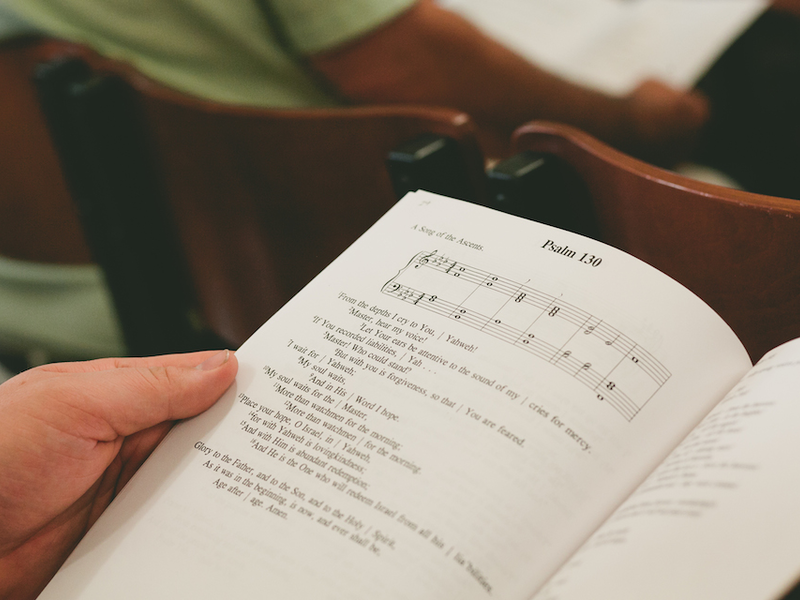
Worship as Response: Liturgical Logic, (Part 1)

“It is only by participation in a rational, practice-based community that one becomes rational.” – Alasdair MacIntyre It may be perfectly clear to a chef why adding unsifted powdered sugar to a hot frosting is a bad idea. But for an amateur cook, this may be the kind of rule…

by Jonathan BarlowApril 2, 2015
giotto-noli-me
John

The Gardener and the Beloved, (Part 1)

On a fresco in a chapel in Padua, Italy, there is a famous painting depicting the dramatic post-resurrection scene in John 20 with Mary and Jesus outside of the garden tomb. Giotto di Bondone painted it in the early 14th century. Jesus is striding from the tomb with a victor’s…

by Jeff MeyersApril 1, 2015

Showing page 156 of 309

See all

Showing page 19 of 43

See all

Class consciousness

Lawrence Stone records the following in his classic Crisis of the Aristocracy : “So deep [was] feeling of a fundamental distinction of ranks that gentlemen did not hesitate to behave in ways which would today be considered base and even cowardly. When Lord Herbert of Cherbury was shipwrecked at Dover…

August 9, 2006

Death of the author

A hypothesis to explore: What is the connection between the postmodern “death of the author” and higher critical methods of biblical interpretation? Did the dissolution of the text in biblical studies contribute to a dissolution of the author in texts generally? To what extent is Wellhausen responsible for Barthes and…

August 9, 2006

Type and Antitype

At times, I’ve felt that my polemics against semi-marcionitism in sacramental theology and hermeneutics finds no actual targets. And then I read something like this. In his book on hermeneutics, Louis Berkhof characterizes the difference between type and antitype: “The one represents truth on a lower, the other, the same…

August 9, 2006
History

Left to Right

Butler cleverly suggests that postmodernism’s leftism ends up underwriting rightist politics: “a left-inspired distrust of authority . . . makes recognition of difference possible, and yet those who are perhaps most in favor of leaving differently defined groups in isolation, to compete and fight it out, are those on the…

August 9, 2006
History

Liberal to postmodern

Poor Christopher Butler: He really doesn’t like postmodernism, but he keeps saying that postmodernism at its most sane is just repeating what liberals have always believed and doing what liberals have always done. Postmodernists challenge “the boundaries of our social roles,” and liberals join in; in fact, “the postmodernist deconstructive…

August 9, 2006
Politics

Discourses of power

Postmodernists claim that discourses are inevitably exercises of power. To theorize is to classify, and classification, well, puts things in classes, asserts authority over them. Butler offers this example: “You believe what the young surgeon tells you, and so you give him permission to anaesthetize you, cut you up, and…

August 9, 2006

Showing page 1815 of 2212

Browse by Category

In Medias Res

Your weekly digest for all things Theopolis.

Donate

Theopolis is nearly 100% donor-supported. Consider joining us on our mission.