Theopolis Logo

Writing

Explore our collection of theological essays, biblical studies, and reflections on faith and culture.

See all
img_3944-2
Parenting

Guarding Our Eyes

It is a well-known movie trope, the sports car drives up, a stiletto-heeled starlet steps out and the camera follows her leg up the prodigious slit of her dress, then it takes in the rest of her figure before settling on her face, usually primed and puckered for some pro-feminist…

by Remy WilkinsSeptember 15, 2015
cappadocians
Books

Are the Divine Persons Persons?

The “personalist” understanding of the Trinity, articulated most influentially in the work of John Zizioulas, has fallen on hard times. Recent scholars have attacked Zizioulas’s idea that Cappadocian Trinitarianism represented an ontological revolution, hammering again and again the distinction between divine and human personhood. Michel Barnes’s conclusion is the most…

by Peter LeithartSeptember 10, 2015
austin-distel-tlzhfrlj6ny-unsplash
Culture

Face To Facebook

I sit here in my office and poke around on a keyboard that is not even physically connected to my laptop and characters appear on a screen. I have a phone in my pocket through which I talk to someone around the world, send a text message, and to which…

by Bill SmithSeptember 8, 2015
samuel-martins-3u7hcqkibb4-unsplash
Prayer

Repent of Your Piety

I want to give a pep talk. Nothing fancy, nothing clever. Jesus makes some astounding promises in Luke 11. I want to clear out the clutter and convince you to believe Him and to act on it. The chapter begins with Jesus praying and teaching His disciples to pray by…

by Peter LeithartSeptember 7, 2015
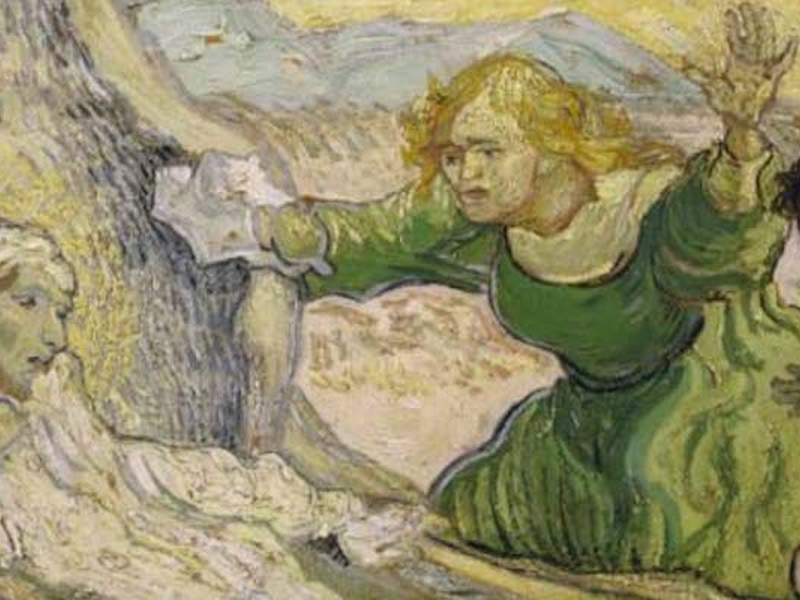
lazarus-raised
John

The Strange Love of Jesus

Eleonore Stump in her book Wandering in Darkness invites us to re-read the story of Lazarus (John 11) from Mary’s perspective. Stump argues that the story of Lazarus is a story of Mary, since both Lazarus and Martha are identified by their relationship with Mary. The true ending of the…

by Bogumil JarmulakSeptember 3, 2015
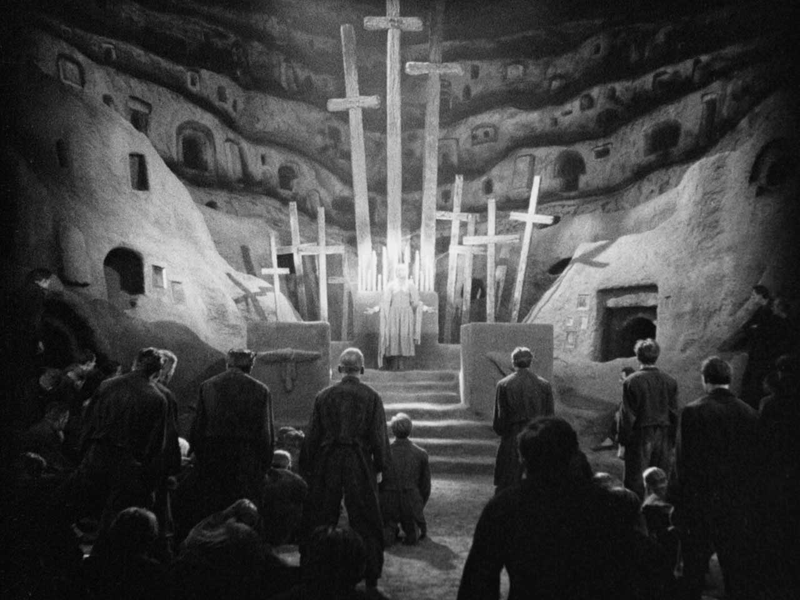
metro
Movies

Movies and Music with James Jordan

In his introduction to The Glory of Kings: A Festschrift in Honor of James B. Jordan , Peter Leithart says this about him: “Jordan is an unclassifiable thinker because he is an unclassifiable person . . . he closes his eyes in ecstasy listening to Messiaen or Rachmaninoff . .…

by Brian MoatsSeptember 2, 2015

Showing page 144 of 309

See all

Showing page 19 of 43

See all
History

Modernity of Postmodernism

Postmodern reading is characterized by a hermeneutics of suspicion, but in this postmodern critics are adopting a stance (sometimes quite consciously) rooted in Marxist and Freudian theory. Butler says, “in concentrating on the notion of hidden contradiction, many postmodernists allied themselves to two highly disputable, and certainly totalizing, 19th-century ideologies.”

August 9, 2006
History

On Getting it wrong

Butler argues that “many postmodern ideas” are “at best confused, and at worst simply untrue.” But he’s pretty sanguine about that: “the essential leading ideas of many cultural epochs are open to the same criticism” - he mentions the Romantic notion of Imagination or the fascination with mesmerism in medical…

August 9, 2006
History

Parochial Postmodernism

Butler points out that postmodernism’s claims that grand narratives are passe is very culturally specific, even parochial, and cannot be sustained as a sociological claim: “allegiances to large-scale, totalizing religious and naturalist beliefs are currently responsible for so much repression, violence, and war . . . . It is obvious…

August 9, 2006
History

Postmodern historiography

After reviewing some of the more radical proposals for a postmodern historiography, Christopher Butler, no friend to postmodernism, makes the sensible suggestion that “Postmodern relativism needn’t mean that anything goes, or that faction and fiction are the same as history. What it does mean is that we should be more…

August 9, 2006

Matthew’s genealogy

In his midrashic/lectionary treatment of Matthew, M. D. Goulder suggests that “The three fourteens are to a Jew who had read Daniel six weeks of generations; and if six, then looking forward to a seventh, to make a week of weeks . . . . This, then, is to be…

August 8, 2006

Matthew’s genealogy

In his midrashic/lectionary treatment of Matthew, M. D. Goulder suggests that “The three fourteens are to a Jew who had read Daniel six weeks of generations; and if six, then looking forward to a seventh, to make a week of weeks . . . . This, then, is to be…

August 8, 2006

Showing page 1816 of 2212

Browse by Category

In Medias Res

Your weekly digest for all things Theopolis.

Donate

Theopolis is nearly 100% donor-supported. Consider joining us on our mission.