Theopolis Logo

Writing

Explore our collection of theological essays, biblical studies, and reflections on faith and culture.

See all
kelly-sikkema-gpoh17dxqdm-unsplash
Romans

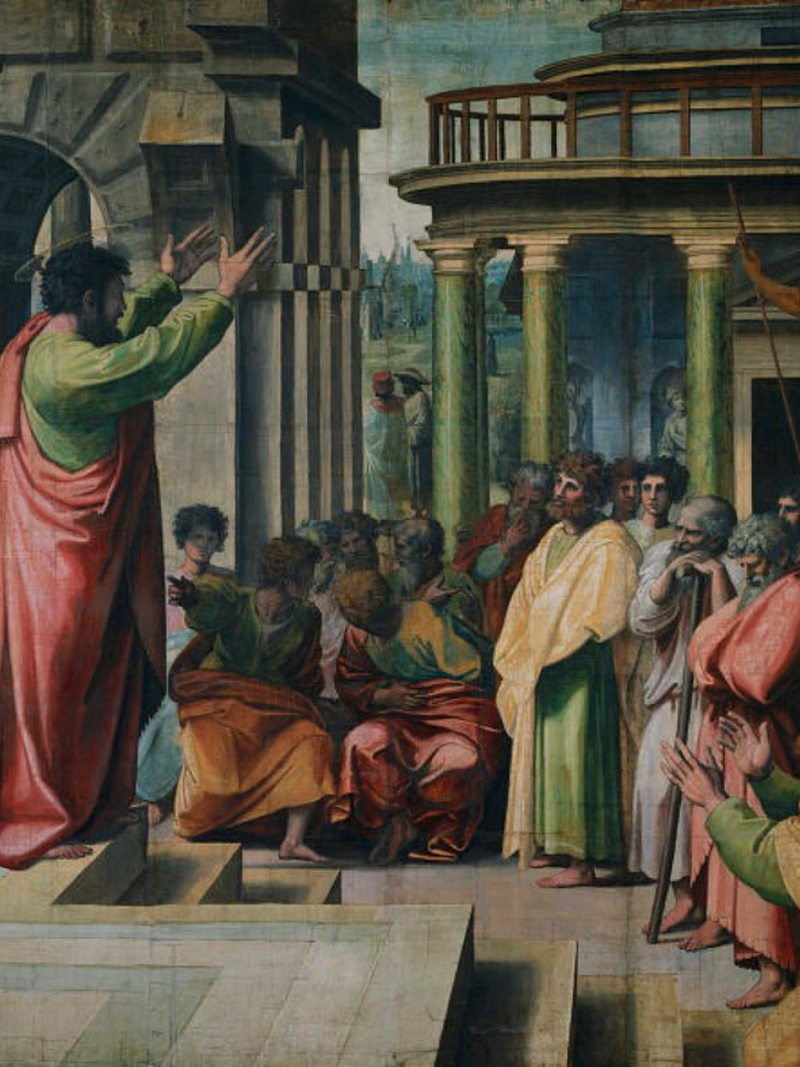
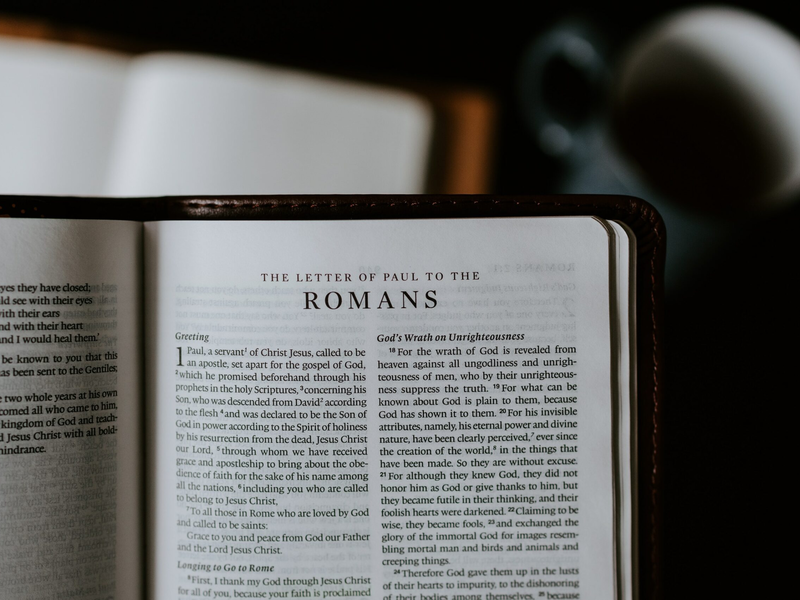
Paul’s Gospel & the Theme of Romans

Paul, a bond-servant of Christ Jesus, called as an apostle, set apart for the gospel of God, which He promised beforehand through His prophets in the holy Scriptures, concerning His Son, who was born of a descendant of David according to the flesh, who was declared the Son of God…

by Mark HorneJune 6, 2003

screenshot-2023-07-27-at-10-25-35-am
History

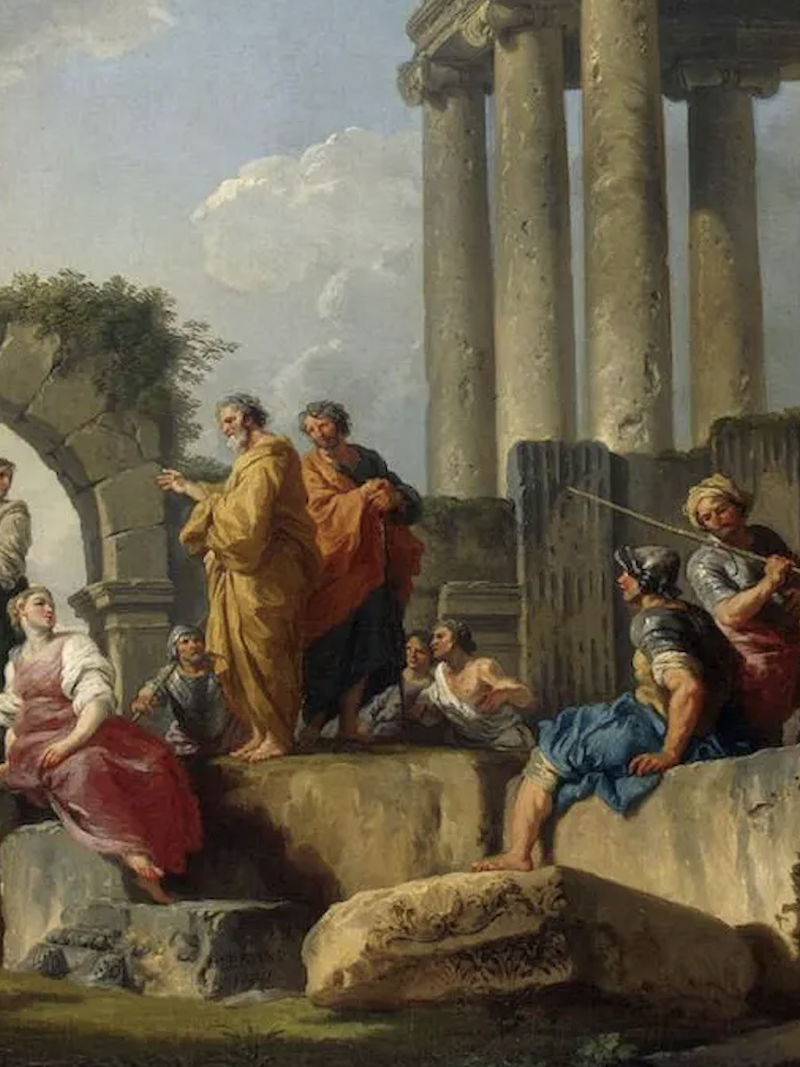
The Nelda Boswell Scroll: The Apostle Paul’s Town Hall Meeting in Iconium

With the surprising discovery of the Nelda Boswell scroll historians have deciphered its contents and concluded that the apostle Paul returned to the region of Galatia shortly after he wrote the letter that we call Galatians. The evidence suggests that a number of local pastors, elders, and deacons, along with…

by Jeff MeyersJune 6, 2003
aaron-burden-qjdzyt_k8xg-unsplash
Jonah

Jonah, the Judaizers, and the Gospel

Second Temple Judaism was a form of covenantal nomism, according to E. P. Sanders’ terminology. This means that Torah-observance was a way of expressing loyalty to the Lord of the covenant who had graciously elected Israel. I think Sanders’ view (taken up in bits and pieces and with some modifications…

by Rich LuskJune 6, 2003
Theologia

Gratitude or Faith?

We often hear that the key to Christian obedience is thankfulness for what God has done. But the Bible stresses faith and hope much more than gratitude. The Baptist pastor and author John Piper has written, “Nowhere in the Bible is gratitude connected explicitly with obedience as a motivation. We…

by Mark HorneJune 6, 2003
aaron-burden-qjdzyt_k8xg-unsplash
Federal Vision

God’s Righteousness & Our Justification

One of the questions that is commonly asked about Tom Wright regards his teaching about how Paul uses the term “the righteousness of God.” Since Wright’s interpretation of the term in Paul’s epistles is commonly mentioned in passing but rarely analyzed, it seems like a good idea to explicitly spell…

by Mark HorneJune 6, 2003
jordan-wozniak-xp_agmeea6s-unsplash
Genesis

Forever Means Forever: God’s Promises to the Jews

If God promised a certain land to the seed of Abraham, saying that it would be theirs “forever” (Gen. 13:15), why do Reformed churches teach that the Jews permanently lost their right to the land? What about all these Old Testament “forever” promises and prophesies made to the Jews? How…

by Jeff MeyersJune 6, 2003

Showing page 230 of 309

See all

Showing page 19 of 43

See all

Cities Ascending and Descending

The Bible ends with a vision of the descent of a jeweled bridal city Jerusalem descending from heaven. Before the city descends, though. a city ascends: Babylon is destroyed and her smoke rises forever and ever. God's city descends only after the city of man is sent up to God…

August 14, 2015

Anti-Labor, Anti-Catholic

David Sehat argues ( The Myth of American Religious Freedom ) that the American moral establishment was undermined by the labor movement: “By the last quarter of the nineteenth century the corporation had joined the family, the church, and the school as an institution perpetuating Christian moral authority” (189). This…

August 13, 2015

Myth and the Fragmentation of Humanity

Paganism, writes Eugen Rosenstock-Huessy ( Christian Future ), “is best understood . . . as primitive man's response to the fear of death.” That means not only personal death but also the death of those groups to which he is bound—family, race, country. The problem is that “all finite forms…

August 13, 2015

The End For Which God Made Us

“The patristic concept of theosis is the most precise and compendious possible evocation of the end for which God creates us,” writes Robert Jenson in a characteristically dense essay in The Catholicity of the Reformation . It doesn't imply that the Creator-creature distinction is somehow erased; that difference is “indeed…

August 13, 2015

What Cantwell Achieved

David Sehat ( The Myth of American Religious Freedom , 222-3) observes that Cantwell v. Connecticut (1940) was the first Supreme Court decision to incorporate the religion clause of the First Amendment to the States. In the case, Jehovah's Witnesses were denied a license to proselytize. The Court struck down…

August 12, 2015

Creating Genocide

Emmanuel Katongole ( A Future for Africa , 98-101) argues, as others have, that the racial division behind the Rwandan genocide was forged during Western colonization. “Before the colonial occupation of Rwanda,” he writes, “the Hutu and Tutsi were not ‘clearly distinct and rigidly separated ethnic groups.'” The distinction existed,…

August 12, 2015

Showing page 390 of 2212

Browse by Category

In Medias Res

Your weekly digest for all things Theopolis.

Donate

Theopolis is nearly 100% donor-supported. Consider joining us on our mission.