Theopolis Logo

Writing

Explore our collection of theological essays, biblical studies, and reflections on faith and culture.

See all
sculptor
Art

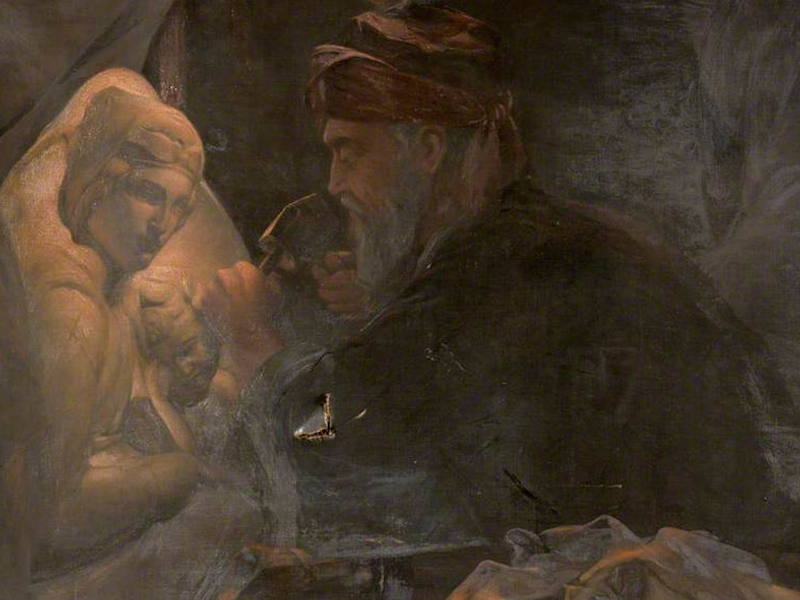
The Artist's Litany

If we say that we have no sin, we deceive ourselves, and the truth is not in us. (1 John 1:8) O God the Father, creator of heaven and earth, Alpha and Omega, beginning and end, who inspired Creation with the breath of your nostrils, who placed Adam in the…

by Christian LeithartFebruary 2, 2016
sodom_and_gomorrah_afire_by_jacob_jacobsz-_de_wet_d-_j-_probably_koln_c-_1680_oil_on_canvas_-_hessisches_landesmuseum_darmstadt_-_darmstadt_germany_-_dsc01149-e1632540497247
American Culture

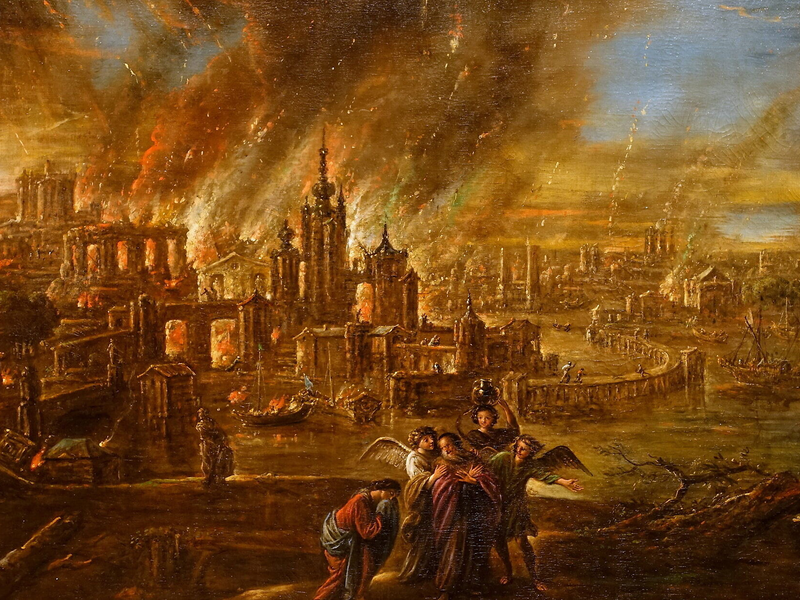
American Sodom

For nearly a half-century, Sodom has been a key symbol in the American culture wars. On the one side, we have an aggressive movement among homosexuals that has first decriminalized homosexual conduct, then to force cultural and legal recognition of homosexuals as a minority and to normalize homosexual behaviors, finally…

by Peter LeithartJanuary 28, 2016
image-20150409-15244-1r08rsu
Biblical Theology

The Meaning of the Mount of Olives

Speaking of the Church, Romans 11:16-17 says, "And if the root be holy, the branches are also. But if some of the branches were broken off, and you, being a wild olive were grafted in among them and became partaker with them of the root of the fatness of the…

by James B. JordanJanuary 26, 2016
img_6134
Isaiah

No Sabbath for God

At the end of Isaiah 61, Yahweh's Servant rejoices because the Lord clothes Him with salvation and righteousness. He decks Him like a bridegroom with a garland on His head. He wears jewels like a bride. He is a new bridegroom in a new garden of Eden, a garden of…

by Peter LeithartJanuary 21, 2016
hebrew-manuscript-2
Biblical Law

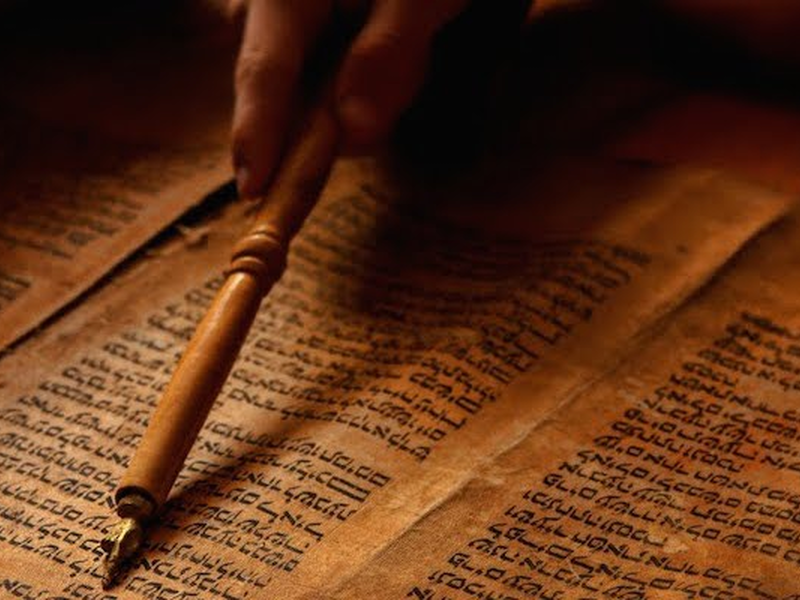
Approaching the Torah

Before anything else, a word about “Torah” may be in order. I have been persuaded that “law” is a bad translation of “Torah,” even though it is evident that what is called “Torah” does have commandments, statutes, and ordinances in abundance. Why not “law?” “Law” as a translation for “Torah”…

by Ralph Allan SmithJanuary 19, 2016
jane-austen-2
Biblical Horizons

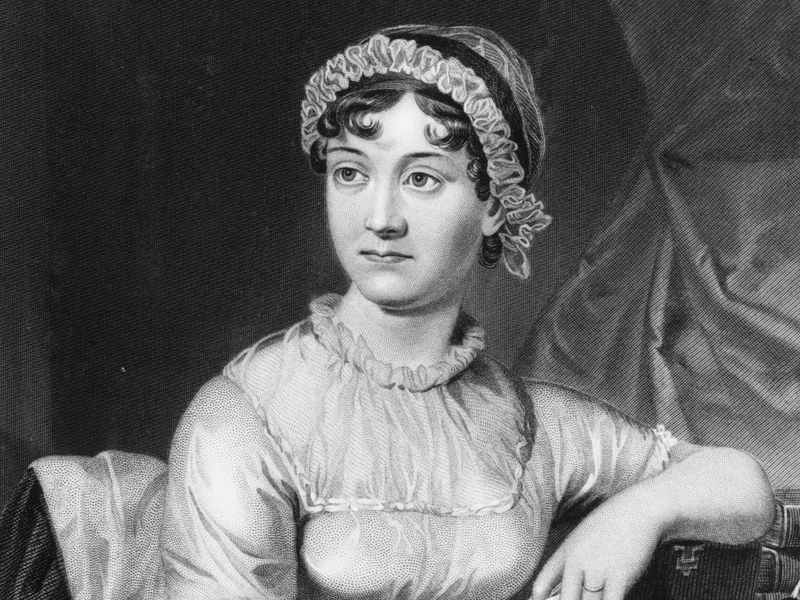
Jane Austen, Pundit

Few novelists seem as innocent of the temptation to punditry as Jane Austen. Though living through a period that witnessed the birth of an independent United States, the French Revolution and the Terror, the Napoleonic wars and the rise of revolutionary romanticism, and the upheavals of the Industrial Revolution, she…

by Peter LeithartJanuary 14, 2016

Showing page 137 of 309

See all
See all

Suffer the Children

Judith Gundry's contribution to The Child in the Bible examines the place of children in Mark's gospel, with particular focus on the episode of Jesus blessing the children. It's an illuminating essay. Mark includes no infancy narratives, but regularly shows Jesus exerting the power of the kingdom to rescue and…

November 14, 2017

Justification in the Age of Emancipation

In his Happiness Paradox , Ziyad Marar explores the sources of "justification." Humiliation is a uniquely human form of suffering. How do we deal with it? Our strategies for staving off humiliation are strategies of "justification." Freud offers some possibilities, He "enumerates a range of ways we avoid this kind…

November 13, 2017

Mystical Atheism

Virginia Woolf, atheist though she was, couldn't avoid religious language when she spoke about her writing. Writing began from "a revelation of some order; it is a token of some real thing behind appearances; and I make it real by putting it into words." It was her "shock-receiving capacity is…

November 10, 2017

Tales of Reason

Robert Brandom ( Tales of the Mighty Dead , 13-14) observes a continuity between Hegel and Kant: Both take concepts as "norms for judgment. They determine proprieties of application to particulars of terms that, because of the normative role they play in such judgments, express universals." But then Hegel adds…

November 10, 2017

Tridentine Utraquism

Did the Council of Trent allow communion in both kinds, in bread and wine? The answer is complicated. Nathan Mitchell ( Oxford History of Christian Worship , 338-9) writes that "After intense behind-the-scenes negotiations, Pope Pius IV authorized communion in both species for German (16 April 1564). In effect, the…

November 10, 2017
Reformation

Misreading the Reformation

Reviewing Carlos Eire's Reformations at First Things , Eamon Duffy claims that "Protestantism 'desacralized' the world by accepting an essentially binary division of reality into spirit and matter. That division was expressed in Reformation iconoclasm and the rejection of the notion that material objects—the bread and wine of the Mass,…

November 10, 2017

Showing page 123 of 2212

Browse by Category

In Medias Res

Your weekly digest for all things Theopolis.

Donate

Theopolis is nearly 100% donor-supported. Consider joining us on our mission.