Theopolis Logo

Writing

Explore our collection of theological essays, biblical studies, and reflections on faith and culture.

See all
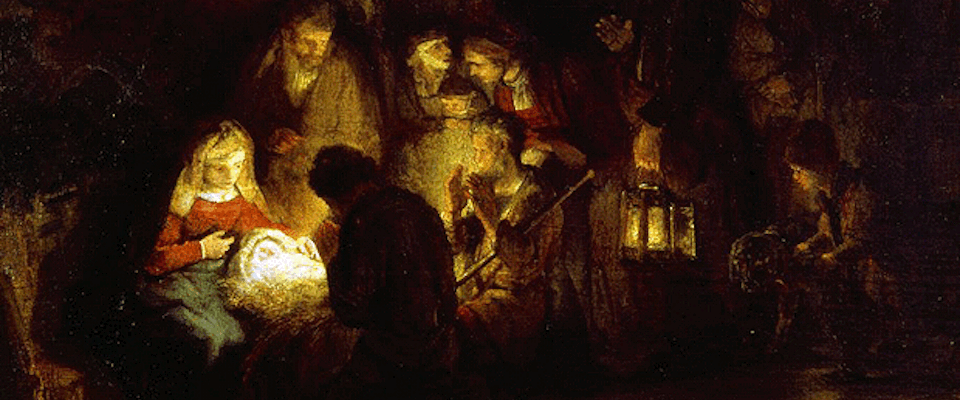
nativity-2
Advent

Joyful Humility

Christmas is a joyful season, but for many it turns into something else. Instead of joy, it is full of disappointment and unhappiness. Instead of an occasion for family fellowship, it becomes an opportunity for opening old wounds, reigniting old arguments, giving new life to rancor that should have died…

by Peter LeithartDecember 19, 2016
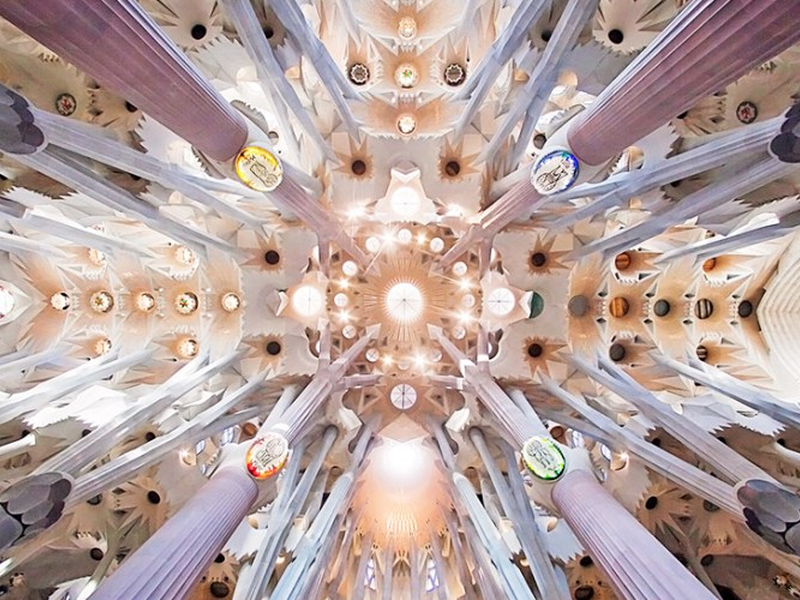
sagradafamilia-crop
Biblical Theology

Systematic Typology (Part Five)

The Temple of Time The “covenant-literary matrix” of the Bible is not a pattern imposed upon the text, but the internal logic of its arrangement. This fundamental structure, functioning at multiple levels simultaneously, is a ceaseless reiteration of God’s primary theme. It is an algorithm forged in the furnace of…

by Mike BullDecember 16, 2016
img_1456
Hermeneutics

Exodus in 1 Kings

In the four hundred and eightieth year after the Exodus, Solomon began to build the temple of the Lord in Jerusalem. [1] That the author of Kings should date the start of the building of the temple from the Exodus is noteworthy. In Exodus 15:17, in Moses’ song following the…

by Alastair RobertsDecember 8, 2016
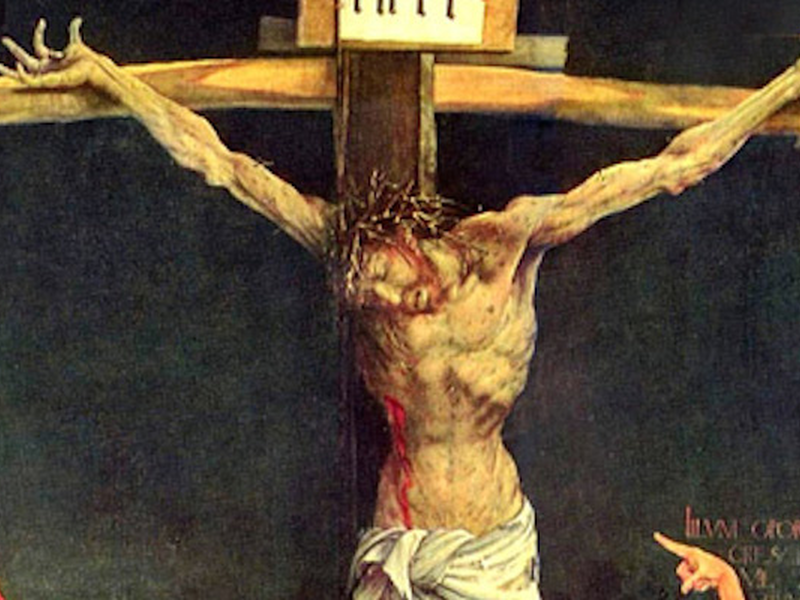
cross-grunwald
Cross

How Mist Gains Weight

Philip Schaff, a German Reformed theologian, states in The Principle of Protestantism that the material principle of Protestantism is “the doctrine of the justification of the sinner before God by the merit of Christ alone through faith.” This is the core message of the Church which leads “to the abandonment…

by Bogumil JarmulakDecember 6, 2016
mountain-top
Biblical Theology

Jesus and Godel's Theorem

“Religion” is an attempt to create or build a tower with a top, or to build a temple that is self-contained. The story of The Tower of Babel in Genesis 11 is the story of mankind’s attempt to create a world that is self-contained and does not need God. All…

by Richard BledsoeDecember 1, 2016
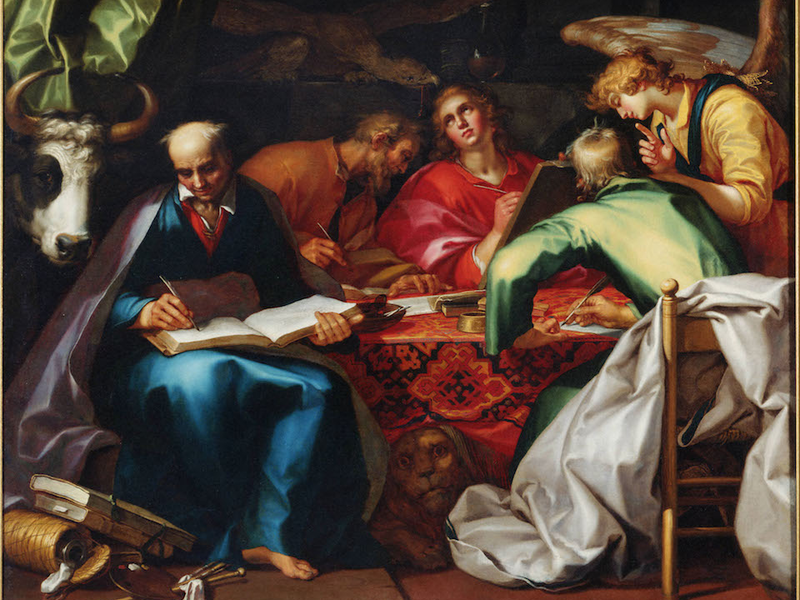
four-evangelists
Matthew

Dating Matthew, (Part 2)

In the first essay in this series, I presented a case for dating Matthew before AD 70, contrary to the present scholarly consensus. In this essay, I intend to present cultural, personal, ecclesiological, and theological arguments for a very early date for Matthew. [1] The cultural argument concerns literacy in…

by Ralph Allan SmithNovember 29, 2016

Showing page 121 of 309

See all
See all

Reconciling Reason and Faith

In Truth and Tolerance , Benedict XVI argues that the Western world is in a crisis that can only be solved if "reason and religion . . . come together again, without merging into each other" (144). He insists this isn't a matter of protecting the interests of religion, Rather,…

October 20, 2017

Future and the Christian Era

Dead time, Rosenstock-Huessy says, is entirely a product of the past, a result of a cause. That conception of time works for physics, but it fails to account for the reality of human time, which always involves surprise and a break with the past. Through speech, we initiate new times,…

October 19, 2017
timothy-eberly-djj49s6ud2o-unsplash

God Is Love

According to the doctrine of the Trinity, the ultimate source of all things, the God in whom we live, move and have our being, is both one and plural, one God in three persons. This has enormous implications for how we think of the world. In ancient philosophy, the highest…

October 19, 2017

God, Time, Eternity

Rosenstock-Huessy believes that God has a unique relationship to time that no human being has, but he describes this unique relationship in ways that are unusual for the Christian tradition. Instead of saying that God is “timeless,” he says that God is “pure time.” This suggestion is based on the…

October 18, 2017

Calendars and Cultural Memory

Modernity’s reduction of time to clock-time is not socially or psychically healthy. As Rosenstock-Huessy puts it: "We need the intersecting of many rhythms of time. Our stomach and our consciousness respond to a 24-hour rhythm. Our faith and our hopes respond to centuries. Our noble passions like the love of…

October 17, 2017

Freedom To Unfreedom

Enlightenment secularism is committed to “freedom” as its overarching value. In an address on “Freedom and Truth” (published in The Essential Pope Benedict XVI ), Benedict XVI describes the Enlightenment as a “will to emancipation” (citing Kant’s sapere aude ). Kant’s plea for philosophical freedom has political dimensions. According to…

October 17, 2017

Showing page 132 of 2212

Browse by Category

In Medias Res

Your weekly digest for all things Theopolis.

Donate

Theopolis is nearly 100% donor-supported. Consider joining us on our mission.