Theopolis Logo

Writing

Explore our collection of theological essays, biblical studies, and reflections on faith and culture.

See all
isaiah-commission
Isaiah

To An Unclean People

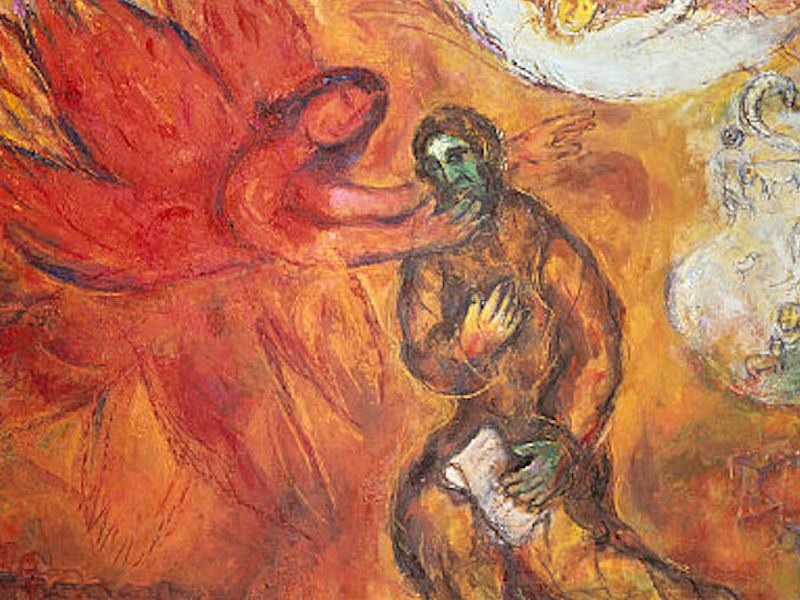
The book of Isaiah has a very brief introduction, one verse, and then plunges into a searing indictment of the people of Judah and Jerusalem. They are sons who do not honor their father, worse than donkeys and oxen who at least know their master. They are a bruised and…

by Peter LeithartSeptember 1, 2015

sixteen-miles-out-al48tflf4e8-unsplash
Biblical Studies

Apologia on Reading the Bible, (Part 3)

This is the third of a three-part essay. The Literary Reader As a conclusion to this essay, I want to make some observations that grow out of C. S. Lewis’s remarkable Experiment in Criticism , mentioned in an earlier installment. What Lewis is interested in doing is coming up with…

by James B. JordanAugust 27, 2015
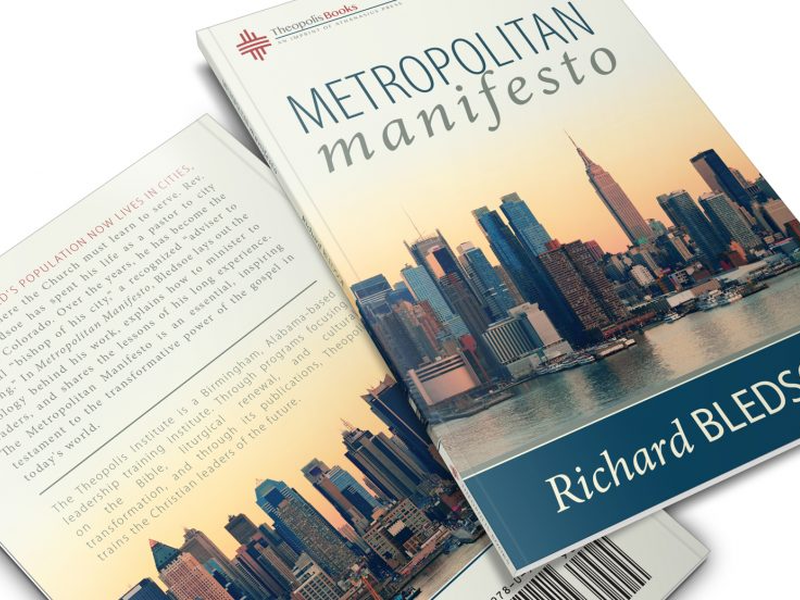
metropolitanmanifesto-3dfrontback-promo-3
Theopolis News

Metropolitan Manifesto: Available Now!

Metropolitan Manifesto, the new work from Theopolis fellow Richard Bledsoe, and first "Theopolis Books" release, is out today! Head over to the Athanasius Press website to get a copy. Half the world's population now lives in cities, and that is where the Church must learn to serve. Rev. Richard Bledsoe…

by Brian MoatsAugust 25, 2015
medievalilluminatedmanuscript
Biblical Studies

Apologia on Reading the Bible, (Part 2)

This is the second portion of a three-part essay. Learning to Read Learning to read the Bible is easier said than done, of course. There are several reasons for this, and they all have to do with the art of reading. Reading is an art and not a science, and…

by James B. JordanAugust 25, 2015
img_1069
Theopolis News

Mission to the City

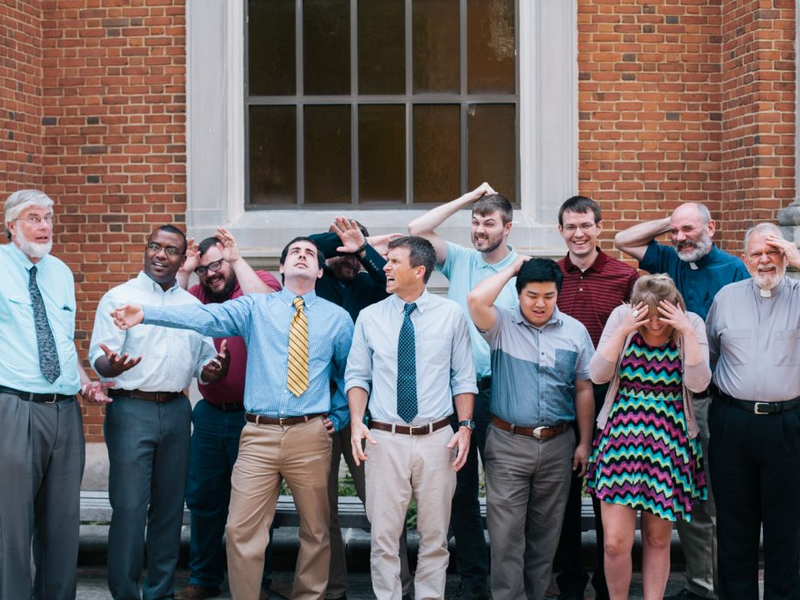
“It instilled a real and abiding change in the way I understand my life as a disciple of Jesus Christ,” said Clint Hail, a Community Development Coordinator out of Dallas who attended Theopolis’ course on Mission to the City . “The course renovated the way I understand the challenges facing,…

by Brian MoatsAugust 21, 2015
hebrew-manuscript
Hermeneutics

Apologia on Reading the Bible, (Part 1)

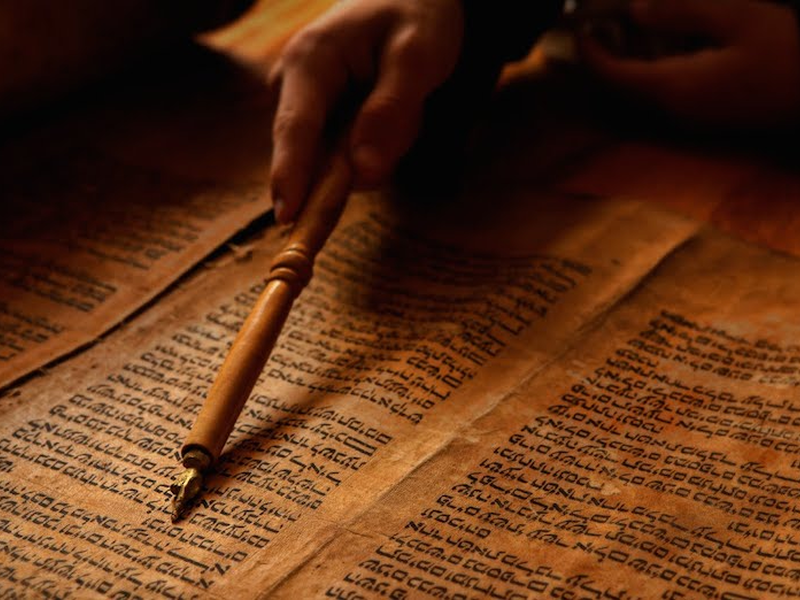
What does it mean to read the Bible as inspired literature? The method is not new nor is it uncommon in Dutch Reformed circles. Exegesis must be Christocentric, plenary (all the text serves a theological purpose), respect the context in God’s redemptive plan, and plumb the full literary depth of…

by James B. JordanAugust 20, 2015

Showing page 145 of 309

See all
See all

Kiss of peace

David Cunningham writes, “What was one a ‘kiss of peace,’ uniting bodies in an almost frighteningly intimate way, now often consists only of a tentative handshake and a mumbled greeting.  Of course, this does still provide an opportunity to meet the other face to face, body to body; and so…

November 12, 2009

Children in the church

In his Adults and Children in the Roman Empire (1989), Thomas Wiedemann remarks on the difference between pagan and Christian conceptions of infant death: “For the pagan, premature death was a disaster because the child’s life was wasted; for Augustine, a child who died prematurely might have had as complete…

November 12, 2009
Philosophy

Prodigal words revisited

A friend, Aaron Cummings, writes in response to my comments about Derrida and prodigal words: “A few days ago, you alluded to Derrida, that words run prodigal from the speaker/writer. You said that this was true of Mankind’s words, but not of God’s. It seems to me that this is…

November 11, 2009

Multiplicity

For Athanasius, creation’s multiplicity is not a defect but part of its glory.  No created thing supplies all need; no single light illuminates day and night.  So there are many lights.  Each light is its own essence, but these essences cooperate to fill what is lacking in the others.  The…

November 11, 2009
Theology

God of small things

Arianism is not just about Christology.  It’s about theology proper. Arius said that God made His Son before the creation because the creation could not endure the “untempered hand” of the Father.  It needed the Son as mediator.  Athanasius sees in this a false idea of God.  God, He says,…

November 11, 2009

Cur Deus Homo?

Athanasius notes that before the incarnation humanity was under the dominion of false gods, enslaved to corruption and idolatry.  The Word took flesh to deliver us from that slavery, and the form of that deliverance was an act of worship: “in this body offering Himself for all, He might deliver all from false worship and…

November 11, 2009

Showing page 1324 of 2212

Browse by Category

In Medias Res

Your weekly digest for all things Theopolis.

Donate

Theopolis is nearly 100% donor-supported. Consider joining us on our mission.