Theopolis Logo

Writing

Explore our collection of theological essays, biblical studies, and reflections on faith and culture.

See all
cain-killing-abel-unknown-19th-century
Biblical Horizons

The Servant of the Ground

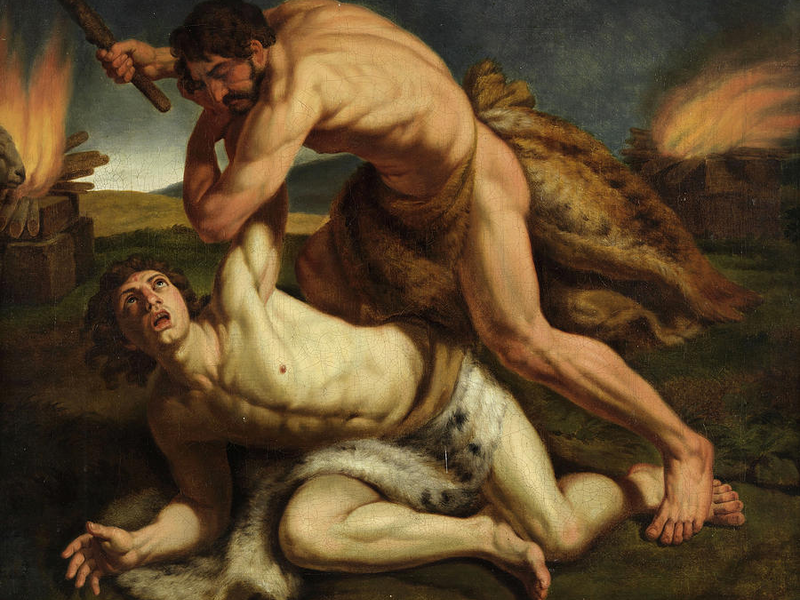
Why was Abel’s offering approved and Cain’s rejected? This question has been debated for many centuries. Some have argued that Cain’s offering was rejected because it was not a bloody offering; others that Cain’s offering was rejected because it was not from the firstfruits; others that Cain’s offering was rejected…

by Peter LeithartSeptember 19, 1990

timothy-eberly-djj49s6ud2o-unsplash
Luke

The Unjust Steward Revisited

Last year I had occasion to work through the book of Luke as I did some work for one of my editorial clients, and this year my pastor has been preaching through Luke. Thus, I have twice been reminded of the Parable of the Unjust Steward (Luke 16:1-13), a parable…

by James B. JordanSeptember 2, 1990
alfons-morales-ylswjsy7stw-unsplash-1
Biblical Chronology

The Mysterious Numbers of Edwin R. Thiele

We come now to what some have called the "Gordian Knot" of Biblical chronology: the period of the kings of Israel and Judah. We do not have a summary figure that tells exactly how long this period of time was. The book of Kings provides the years each king reigned,…

by James B. JordanSeptember 2, 1990
screen-shot-2022-02-22-at-11-59-32-am
Matthew

Additional Reflections on the Dew of Hermon

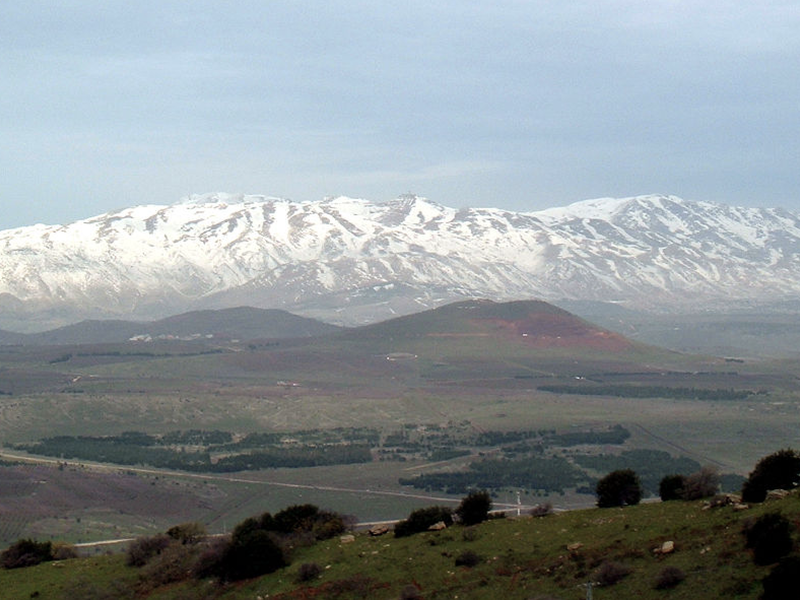
In an earlier article , while examining the biblical symbolism of dew, I noted the parallel in Psalm 133 between the dew upon Mount Hermon and the oil poured upon the head of Aaron. Both the dew of Hermon and the oil of ordination are compared to the pleasantness of…

by Peter LeithartAugust 19, 1990
screen-shot-2021-07-15-at-9-01-42-am
Biblical Horizons

Cornelius van der Waal, "The Covenantal Gospel"

The Covenantal Gospel was the last book written by the remarkable South African theologian and exegete Cornelius van der Waal. Two other works of van der Waal’s have been translated: Hal Lindsey and Biblical Prophecy , and Search the Scriptures . Because this book was written in 1979, it does…

by James B. JordanAugust 2, 1990
biljana-martinic-igj_21drt3g-unsplash
Beer

The Evangelical Cocaine Lobby

A year or so ago, my wife and I were invited to a Christian school in order to preview a film on drug abuse that was going to be shown to our children. One of the children in this film turned out, of course, to be using drugs. This child’s…

by James B. JordanAugust 2, 1990

Showing page 302 of 309

See all
See all

God’s telos

Athanasius insists that the Father must have an eternal Son because the Father’s essence could never have been imperfect: “if He is called the eternal offspring of the Father, He is rightly so called. For never was the essence of the Father imperfect ( ateles ), that what is proper to it should…

November 4, 2009
Literature

Lying

From Richard Wilbur’s “Lying”: In the strict sense, of course, We invent nothing, merely bearing witness To what each morning brings again to light: Gold crosses, cornices, astonishment Of panes, the turbine-vent which natural law Spins on the grill-end of the diner’s roof, Then grass and grackles or, at the…

November 4, 2009

Canon Sale

Canon Press is having a Fall Sale, which you can read about here: http://www.canonpress.com/shop/

November 4, 2009

Conundrums of Simplicity, 2

Perhaps the most obvious and easiest resolution of the conundrums that Augustine explores is a perichoretic one. Does the Father have wisdom “in Himself”? Yes, because the Wisdom that is the Son dwells in Him  by the Spirit.  Does the Father possess His being “in Himself”?  Yes, because the Son…

November 3, 2009

Conundrums of Simplicity

1 Corinthians 1:24 says that Christ is the power and wisdom of God.  Augustine spends two books of de Trinitate trying to figure out what that means.  In Book 6, he tries out the notion that the Father’s power and wisdom is simply the power and wisdom that He begets…

November 3, 2009

Liquid identity

Augustine argues ( de Trinitate 5.1.6) that claims about human beins are spoken either secundum substantiam or secundum accidens .  The latter category includes relational terms, statements about us ad aliquid , with reference to another.  That is, for humans, in contrast to God, relational terms are accidents, changeable.  God…

November 3, 2009

Showing page 1330 of 2212

Browse by Category

In Medias Res

Your weekly digest for all things Theopolis.

Donate

Theopolis is nearly 100% donor-supported. Consider joining us on our mission.