Theopolis Logo

Writing

Explore our collection of theological essays, biblical studies, and reflections on faith and culture.

See all
paul-the-apostle-epistle-prison-ephesians-2
Apostle Paul

Paul in Prison: Ephesus or Rome?

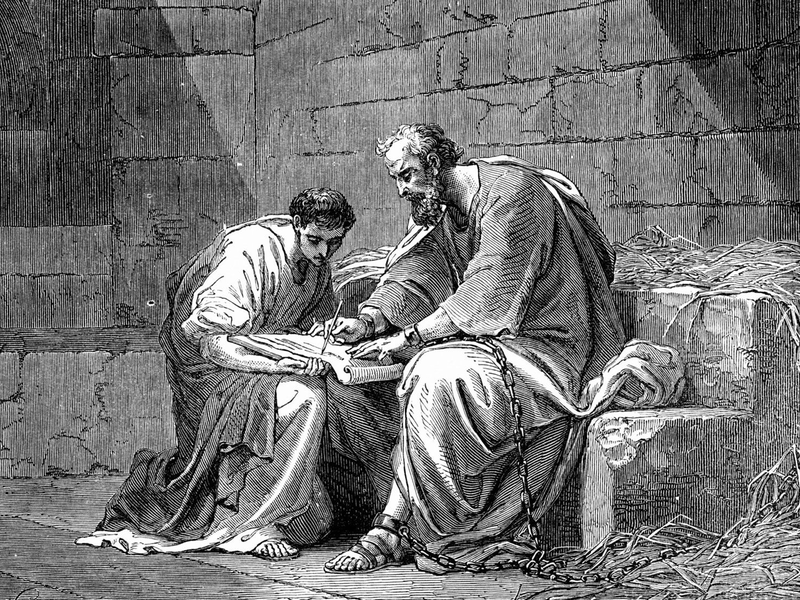
In the books of 1 and 2 Corinthians, Paul refers to hardships in his ministry in Asia, specifically Ephesus (1 Corinthians 4:9-13; 15:32; 2 Corinthians 1:8; 4:8-12; 6:4-5; 11:23-25). However, the multiple imprisonments Paul mentions are not fully reflected in Luke’s account of Paul’s ministry — Luke only records a…

by Ralph Allan SmithFebruary 15, 2022

steve-johnson-zby6td_nvna-unsplash
Epistemology

Vertical Living

After all these months pondering integration, I have come to the point of believing that the dynamic of integration just is the real at its heart. Everything that is real or comes to be real is a dynamo of integrative coherence. I also believe it is true that the real…

by Esther Lightcap MeekFebruary 1, 2022
i-had-sucked-every-book-009
Books

Tom Holland and the Liberating Power of Christianity

Have you heard of Tom Holland? Not the young Tom Holland of Spiderman fame. No doubt you’ve heard of him. I’m referring to the middle age Oxford-trained historian who recently wrote Dominion: The Making of the Western Mind . (Both Hollands are British, so you’ll be forgiven for confusing them.)…

by Gerald HiestandJanuary 25, 2022
e99a2225
Biblical Horizons

"Do This!"

This article was originally published in 1990. (The essay that follows concerns a rather touchy subject: how the Lord’s Supper is to be done. I am not writing to insult or offend, but to challenge. To that end I have not "held back" but have "gone ahead" and said what…

by James B. JordanJanuary 19, 2022
adam-and-eve-in-the-garden-of-eden-wenzel-peter
American Culture

The Dominion Trap

This article was originally published in 1990. In Genesis One, God told Adam and Eve to "be fruitful and multiply, and fill the earth, and subdue it; and rule over the fish of the sea and over the birds of the heavens, and over every living thing that moves on…

by James B. JordanJanuary 13, 2022
8226-sermon-on-the-mount-painting
Biblical Studies

Will Few Be Saved?

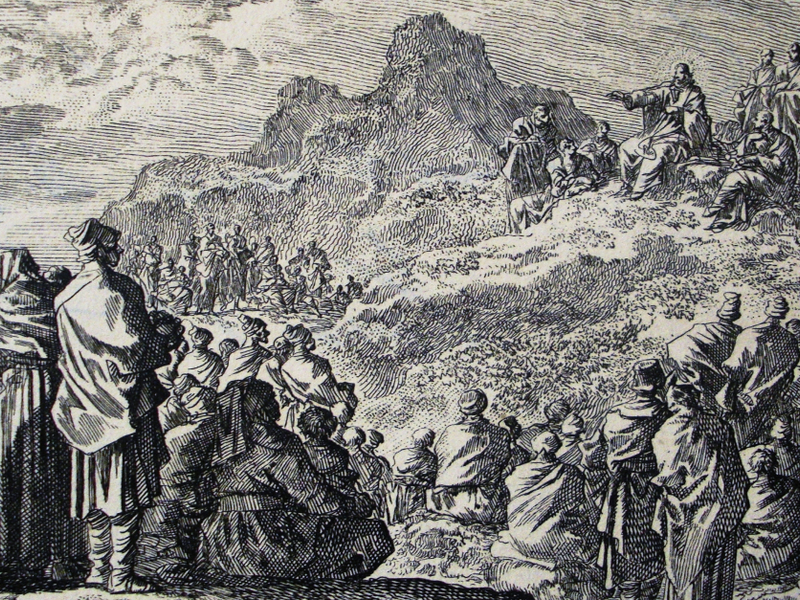
On several occasions the gospels record Jesus teaching that only a few will be saved (Matthew 7:14, Matthew 22:14, and Luke 13:23). Careful readers of Scripture should begin to wrestle with how these passages found in the gospels fit together with other passages that teach that many will be saved…

by Manny LucasJanuary 11, 2022

Showing page 47 of 309

See all
See all

God’s telos

Athanasius insists that the Father must have an eternal Son because the Father’s essence could never have been imperfect: “if He is called the eternal offspring of the Father, He is rightly so called. For never was the essence of the Father imperfect ( ateles ), that what is proper to it should…

November 4, 2009
Literature

Lying

From Richard Wilbur’s “Lying”: In the strict sense, of course, We invent nothing, merely bearing witness To what each morning brings again to light: Gold crosses, cornices, astonishment Of panes, the turbine-vent which natural law Spins on the grill-end of the diner’s roof, Then grass and grackles or, at the…

November 4, 2009

Canon Sale

Canon Press is having a Fall Sale, which you can read about here: http://www.canonpress.com/shop/

November 4, 2009

Conundrums of Simplicity, 2

Perhaps the most obvious and easiest resolution of the conundrums that Augustine explores is a perichoretic one. Does the Father have wisdom “in Himself”? Yes, because the Wisdom that is the Son dwells in Him  by the Spirit.  Does the Father possess His being “in Himself”?  Yes, because the Son…

November 3, 2009

Conundrums of Simplicity

1 Corinthians 1:24 says that Christ is the power and wisdom of God.  Augustine spends two books of de Trinitate trying to figure out what that means.  In Book 6, he tries out the notion that the Father’s power and wisdom is simply the power and wisdom that He begets…

November 3, 2009

Liquid identity

Augustine argues ( de Trinitate 5.1.6) that claims about human beins are spoken either secundum substantiam or secundum accidens .  The latter category includes relational terms, statements about us ad aliquid , with reference to another.  That is, for humans, in contrast to God, relational terms are accidents, changeable.  God…

November 3, 2009

Showing page 1330 of 2212

Browse by Category

In Medias Res

Your weekly digest for all things Theopolis.

Donate

Theopolis is nearly 100% donor-supported. Consider joining us on our mission.