Theopolis Logo

Writing

Explore our collection of theological essays, biblical studies, and reflections on faith and culture.

See all
evangelists
Matthew

Dating Matthew, (Part 1)

When might the Gospel according to Matthew have been written? Of course, any answer can only be speculation, but that does not mean we are reduced to groundless opinion. In this series of articles I point the way to an approach different from the general consensus among scholars today which…

by Ralph Allan SmithNovember 22, 2016

hebrew-manuscript-3
Hermeneutics

Synopticity, (Part 2)

In my first essay on “synopticity” I offered a rather rough definition of the phenomenon and important, though not exhaustive examples. In this essay, I want to introduce broader aspects of the phenomenon of “synopticity.” The first example that I have in mind is conventional stories, stories of different historical…

by Ralph Allan SmithNovember 17, 2016
screen-shot-2016-03-31-at-9-32-11-am
Ascension

Brexit and the Binding of Satan, Part 4

Since the judgment of Babel was followed by the initiation of the circumcision, the impending end of the circumcision in AD70 explains the significance of the first century miracle of foreign tongues. Except for a few Aramaic “teasers” in the book of Daniel, the Word of God was monolingual and…

by Mike BullNovember 15, 2016
four-evangelists
Hermeneutics

Synopticity, (Part 1)

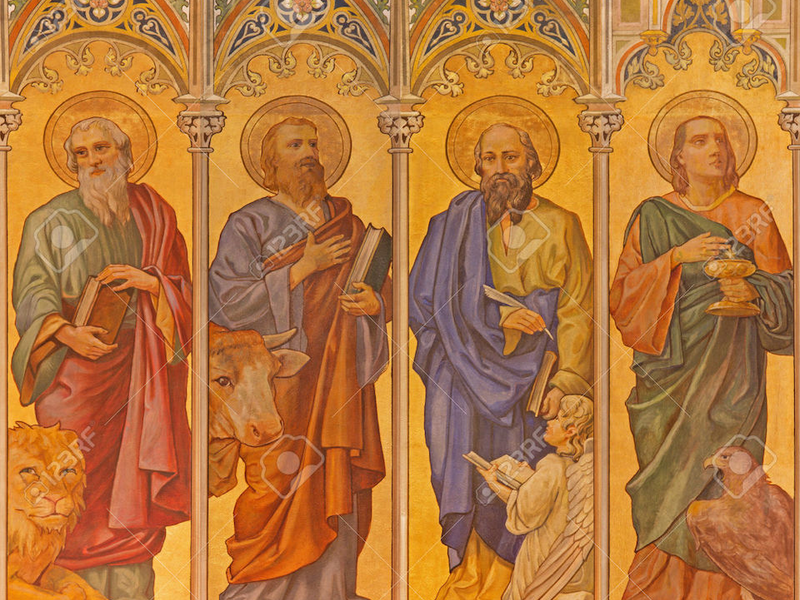
To the best of my knowledge “synopticity” is not a word used in theology or Biblical studies, but it seems an appropriate word to describe the kind of phenomena associated with the Synoptic Gospels, Matthew, Mark, and Luke. These three Gospels tell essentially the same story with significant — sometimes…

by Ralph Allan SmithNovember 10, 2016
laughing_statue_by_xxbobbiie-d5f0meh-2
Humor

Learning to Laugh

Humor is a funny thing. It is altogether familiar yet also mysterious. What makes us laugh? Why do we find things funny? There are academic fields of study dedicated to discovering what makes things humorous. These academicians even have a journal entitled International Journal of Humor Research . No joke.…

by Bill SmithNovember 8, 2016
chaucer
Literature

Flawed Means of Grace: Liturgy in The Pardoner's Tale

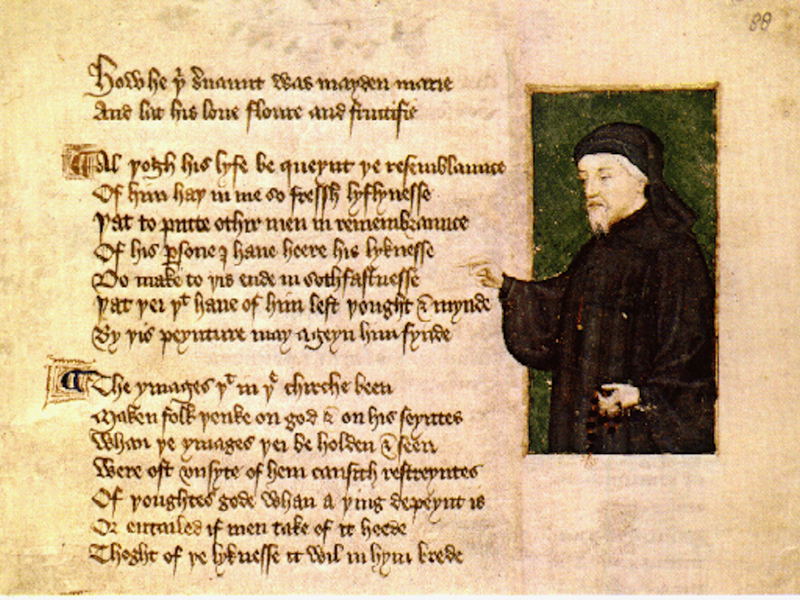
Out of all the characters in Geoffrey Chaucer’s The Canterbury Tales , the Pardoner has been called the “one lost soul.” The pious Parson, who closes out the collection of tales with a sermon on the seven deadly sins and how a sinner can absolve himself of them, connects the…

by Christian LeithartNovember 3, 2016

Showing page 122 of 309

See all
See all
Art

Anxiety of influence

RG Collingwood has a whale of a time excoriating individualistic conceptions of art.  He recognizes a theological motif behind the post-romantic notion of the isolated artistic genius: “Individualism conceives a man as if he were God, a self-contained and self-sufficient creative power whose only task is to be himself and…

September 18, 2009

Triune concreteness

Hegel writes that the Trinity enables Christianity and especially Christian art to attain a concreteness impossible in Judaism and Islam: “When we state . . . of God thathe is simple One, the Supreme Being as such, we have thereby merely given utterance to a lifeless abstraction of the traditional…

September 18, 2009

Proverbs 27:12-18

PROVERBS 27:12 As we have seen repeatedly in our study of Proverbs, wisdom is a kind of foresight, an ability to foretell the future, an ability to see down the road. The prudent or “crafty” ( arum ) man can see the evil ahead and does what he needs to…

September 18, 2009

Medieval economics

Henri Pirenne, in his Economic and Social History of medieval Europe, describes the regulation of economic life in medieval towns during the twelfth and thirteenth centuries. Pirenne is admittedly old news, and perhaps more recent studies have corrected some of his claims. The town government had two main aims: “publicity…

September 17, 2009
Economics

Bad Samaritans

Ha-Joon Chang argues in Bad Samaritans: The Myth of Free Trade and the Secret History of Capitalism that highly developed economies impose unfair and hypocritical demands on developing economies.  In particular, the nations that control the international trade and monetary agencies require that developing economies open their markets to imports,…

September 17, 2009

Byzantine economics

A discussion this morning concerning the economic impact of the gospel got me to thinking about Byzantium.  What kind of economic system did the Eastern Christian empire, with its centralized state and luxurious capital, have? I found some help in Angeliki Laiou and Cecile Morrison’s The Byzantine Economy.  I include some…

September 17, 2009

Showing page 1349 of 2212

Browse by Category

In Medias Res

Your weekly digest for all things Theopolis.

Donate

Theopolis is nearly 100% donor-supported. Consider joining us on our mission.