Theopolis Logo

Writing

Explore our collection of theological essays, biblical studies, and reflections on faith and culture.

See all
cloister

Gatekeepers

1 Chronicles 9:1 seems to bring the genealogies of 1 Chronicles to an end. The Chronicler has recorded the genealogy of the human race from Adam, focusing on the descendants of Abraham through Jacob. Summing it all up, he says, “So all Israel was enrolled by genealogies; and behold, they…

by Peter LeithartJune 21, 2016
trinity-1-2
Trinity

Are the Divine Persons Persons?

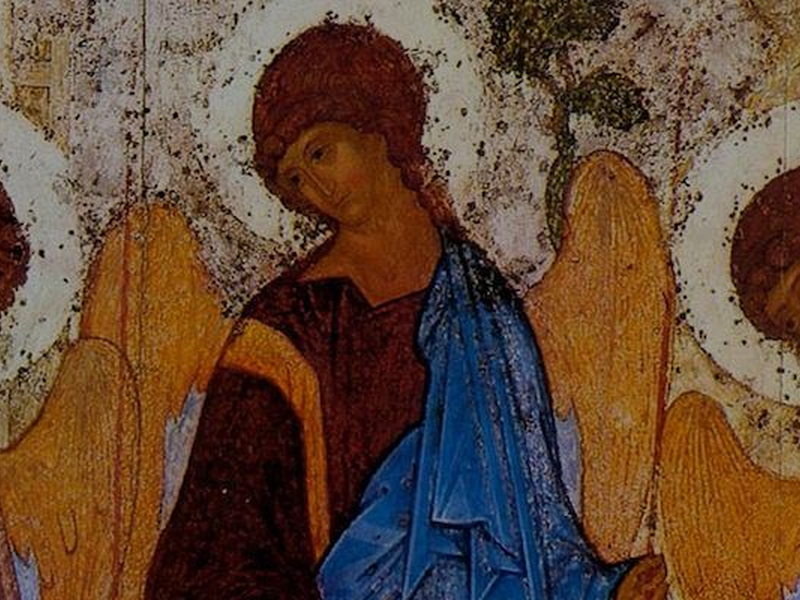
The “personalist” understanding of the Trinity, articulated most influentially in the work of John Zizioulas, has fallen on hard times. Recent scholars have attacked Zizioulas’s idea that Cappadocian Trinitarianism represented an ontological revolution, hammering on the distinction between divine and human personhood. Michel Barnes’s conclusion is the most drastic of…

by Peter LeithartJune 16, 2016
img_4660-2
Architecture

On Biblical Theology

Biblical Theology is often defined as the historical unfolding of God’s revelation, or of God’s revelation and of the history of his covenantal redemption and transformation of humanity and the world. In practice, Biblical Theology is usually broader than this, and also includes the study of literary structure and of…

by James B. JordanJune 14, 2016
laughing_statue_by_xxbobbiie-d5f0meh-2
Humor

Wise Laughter

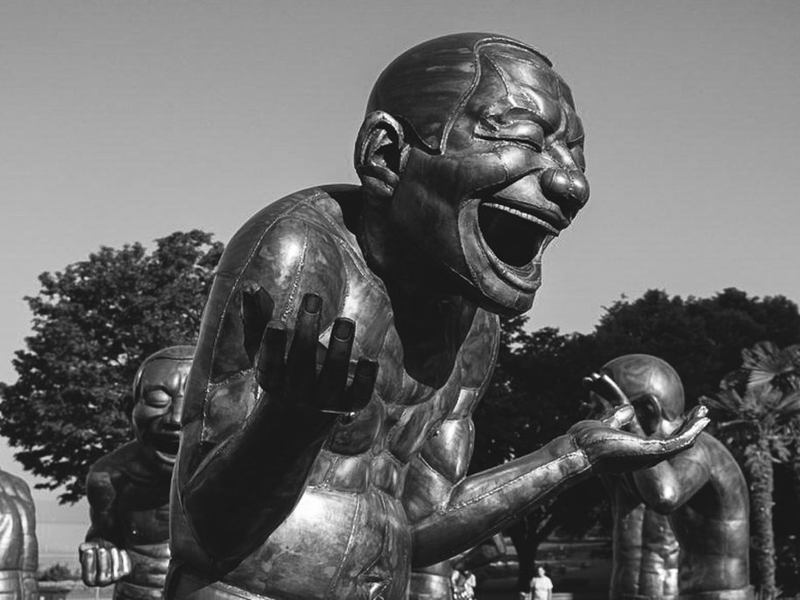
We are made to be happy. Created to enter into the eternal joy of God, our whole being inclines to that end, but the fallen world has put forth barriers and by our own sin we bar ourselves from that endless delight, and death blinds us to that reality. Yet…

by Remy WilkinsJune 7, 2016
img_7664
Liturgy

Why Theopolis? Take Two

At the end of Revelation, John sees the heavenly city descending to earth. The city shines with the brilliance of God's glory, which lightens the nations, so that kings bring their glory to the city. This is not a vision of the final new heaven and new earth. It's a…

by Peter LeithartJune 2, 2016
trinity-1-2
Attributes of God

How Can We Talk About God?

“No one has ever seen God,” writes John (John 1:18). If this is the case, then how can we speak about God? Some people say we actually cannot. Or at least we cannot speak about God positively, i.e. who He is. We can only say who or what God is…

by Bogumil JarmulakMay 31, 2016

Showing page 130 of 309

See all
See all

Names and Words

One of the key distinctions in Rosenstock-Huessy’s grammatical sociology is that between names and words. In his brief discussion of this distinction in The Christian Future (CF), he begins with an expression of his horror at John Dewey’s notion that “We have to find another set of words to formulate…

October 11, 2017

Rehoboam's Cities and House

After the northern tribes abandon the house of David (2 Chronicles 10), Rehoboam settles in Jerusalem (2 Chronicles 11:5). He builds cities for defense and for storage (11:5-12), receives the Levites and priests who flee from idolatrous Israel (11:13-17), marries and has children (11:18-23). The chapter moves from land to…

October 10, 2017

Language and Relation

Underlying Rosenstock-Huessy's entire discussion of the diseases of speech is the assumption that language establishes relations. In this, Rosenstock-Huessy is again assaulting one of the premises of modernity, namely, the centrality of the Ego, and the consequent notion that language exists so that the Ego can express its thoughts and…

October 10, 2017

Learning to Sit in the Sun

My Firstthings.com column last week was about Scottish poet Thomas A. Clark (not to be confused with the American poet Tom Clark). Here are the first few paragraphs: T homas A. Clark is ambitious. In a short essay on “Imaginative Space,” the Scottish poet describes our “late culture,” which is…

October 9, 2017

Purity and Holiness

Though sometimes conflated, purity and holiness aren't the same thing in the Old Testament. There are two overlapping spectra: A spectrum from profane or common on the one side and holiness/sanctity on the other, and a spectrum with unclean/impure to clean/pure on the other. The difference is evident in the…

October 9, 2017

Logos Enables Dia-logos

Truth has a bad rap these days. A claim to know truth sounds dogmatic, oppressive, perhaps even racist. Truth-claims shut down dialogue: If you already know the truth, there's nothing for us to talk about. In his 2009 encyclical Caritas in Veritate , Benedict XVI took on this hostility to…

October 6, 2017

Showing page 135 of 2212

Browse by Category

In Medias Res

Your weekly digest for all things Theopolis.

Donate

Theopolis is nearly 100% donor-supported. Consider joining us on our mission.