Theopolis Logo

Writing

Explore our collection of theological essays, biblical studies, and reflections on faith and culture.

See all
little-girl
Children

Honor God With Your Body

I am making a new rule in our house! We are actually kind of skimpy on the house rules. I try very hard to keep things simple: love God, love others, be joyful. It’s not complicated to avoid discipline here. But I have found myself repeating this new rule over…

by Lindsey TollefsonApril 9, 2015

giotto-noli-me-3
John

The Gardener and the Beloved, (Part 3)

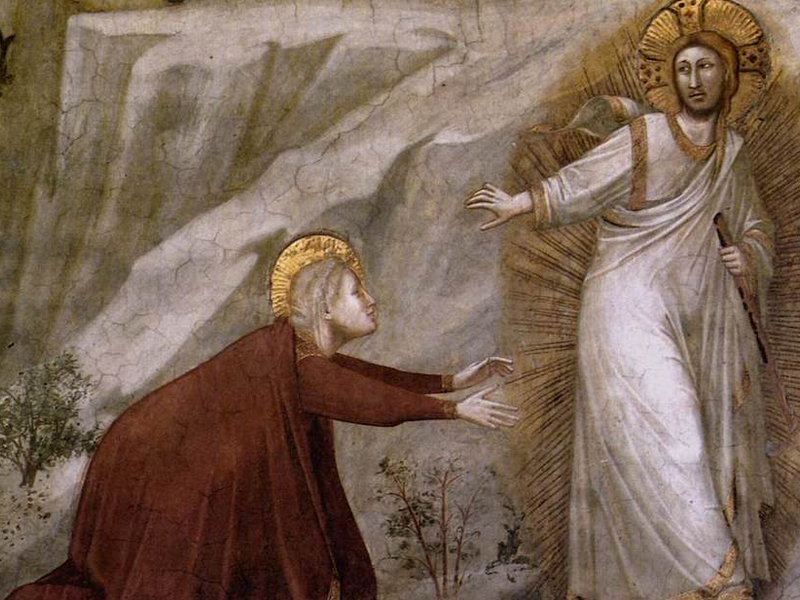
Click HERE for Part 2 The voice of Jesus transforms and changes Mary when she hears him speak her name. This is her last “turning.” So also the woman in the Song of Songs longs to hear the voice of her beloved. Let me see your face, let me hear…

by Jeff MeyersApril 6, 2015
giotto-noli-me-2
John

The Gardener and the Beloved, (Part 2)

Click HERE for Part 1. The details of this story call the attentive reader back to the drama of Solomon’s Song of Songs. And the Song of Song’s alludes to, ties us into the story of Adam and Eve in the Garden and the promise of a coming Messiah that…

by Jeff MeyersApril 4, 2015
easter-term-2015-2
Theopolis News

Easter Term, 2015

“The course was a paradigm shift for me,” said Jonathan Sedlak, a Milwaukee electrical contractor who attended Theopolis’s course on Revelation. “I am left with a book that is far more practical than it has ever seemed before.” Jonathan Anderson of Louisville, Kentucky found the course “refreshing.” “I finished with…

by TheopolisApril 2, 2015
psalm-singing
Genesis

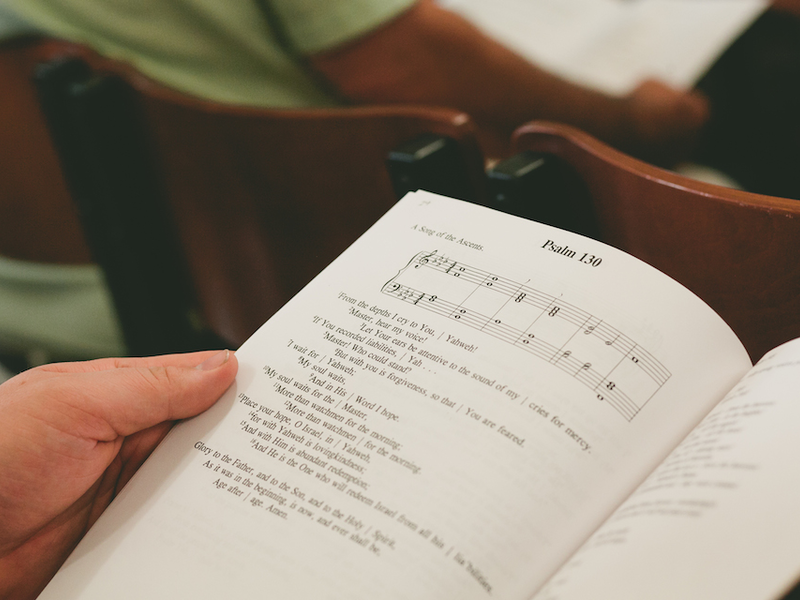
Worship as Response: Liturgical Logic, (Part 1)

“It is only by participation in a rational, practice-based community that one becomes rational.” – Alasdair MacIntyre It may be perfectly clear to a chef why adding unsifted powdered sugar to a hot frosting is a bad idea. But for an amateur cook, this may be the kind of rule…

by Jonathan BarlowApril 2, 2015
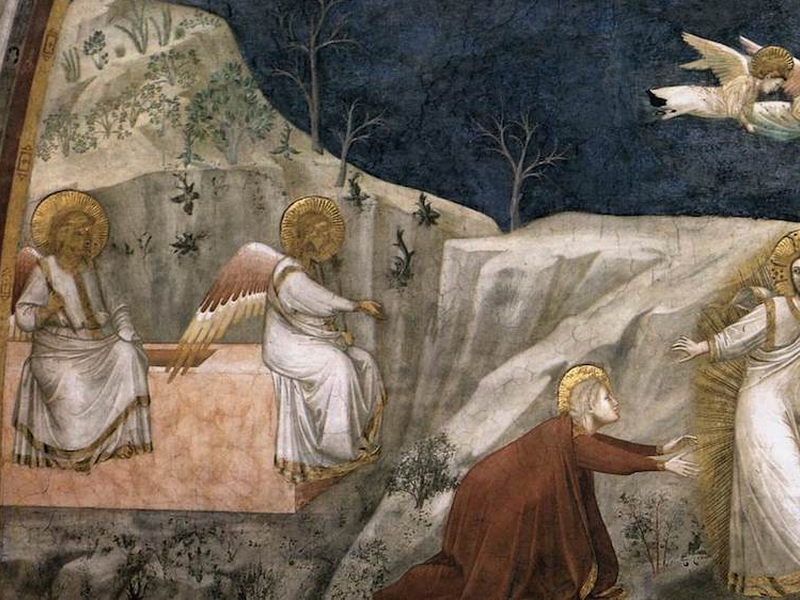
giotto-noli-me
John

The Gardener and the Beloved, (Part 1)

On a fresco in a chapel in Padua, Italy, there is a famous painting depicting the dramatic post-resurrection scene in John 20 with Mary and Jesus outside of the garden tomb. Giotto di Bondone painted it in the early 14th century. Jesus is striding from the tomb with a victor’s…

by Jeff MeyersApril 1, 2015

Showing page 156 of 309

See all
See all
History

Liberal empire?

Motyl offers several responses to Ferguson’s advocacy of liberal empire as a way of spreading democratic institutions, capitalist economies, freedom, and Western culture. First, he notes that liberal empires that promote free trade and democracy might be tied to a particular historical moment: “it is an unwarranted leap in logic…

May 4, 2009
History

Empire and hegemon

Alexander Motyl attempts to discern the definition of empire implicit in Niall Ferguson’s Empire : “ As Ferguson does not even bother to define the concept, at most we can surmise from his discussion of British and American power that empire entails ‘actually ruling a colony’ by means of ‘colonial…

May 4, 2009

Sermon notes

INTRODUCTION Jesus’ curses against the scribes and Pharisees climax in a lament over the doomed city of Jerusalem . He has tried to gather her to Himself, but she has refused. Like Yahweh in the days of Ezekiel (chs. 8-11), Jesus abandons the temple (Matthew 24:1). THE TEXT “Woe to…

May 4, 2009

Visiting widows

James says that true religion consists in “visiting widows and orphans in their distress” (James 1:27). We don’t get the point if we think of “visit” in our first sense of “pay a call.” In Christ, God has “visited and redeemed His people” (Luke 1:68), and the dayspring from on…

May 3, 2009

“Independence” of Jesus

Nathan Kerr ( Christ, History, Apocalyptic ) explains Yoder’s notion of Jesus’ “independence” by saying that Jesus “lives, concretely and in history, a life-story that is entirely free from and irreducible to any pre-given ‘historical’ coordinates, any general or ‘meta’ principle that might serve to range the complexities and contingencies…

May 2, 2009

Whited graves

Jesus’ image of the Pharisees as “white-washed graves” is multi-dimensional. First, there is the obvious contrast between the apparently pure outside (white) and the inside (bones and uncleanness). In context, the Pharisees have become filled with corpses by devouring other Jews. They are cannibals, insatiable as the grave. Second, as…

May 2, 2009

Showing page 1385 of 2212

Browse by Category

In Medias Res

Your weekly digest for all things Theopolis.

Donate

Theopolis is nearly 100% donor-supported. Consider joining us on our mission.