Theopolis Logo

Writing

Explore our collection of theological essays, biblical studies, and reflections on faith and culture.

See all
evangelists
Matthew

Dating Matthew, (Part 1)

When might the Gospel according to Matthew have been written? Of course, any answer can only be speculation, but that does not mean we are reduced to groundless opinion. In this series of articles I point the way to an approach different from the general consensus among scholars today which…

by Ralph Allan SmithNovember 22, 2016
hebrew-manuscript-3
Hermeneutics

Synopticity, (Part 2)

In my first essay on “synopticity” I offered a rather rough definition of the phenomenon and important, though not exhaustive examples. In this essay, I want to introduce broader aspects of the phenomenon of “synopticity.” The first example that I have in mind is conventional stories, stories of different historical…

by Ralph Allan SmithNovember 17, 2016
screen-shot-2016-03-31-at-9-32-11-am
Ascension

Brexit and the Binding of Satan, Part 4

Since the judgment of Babel was followed by the initiation of the circumcision, the impending end of the circumcision in AD70 explains the significance of the first century miracle of foreign tongues. Except for a few Aramaic “teasers” in the book of Daniel, the Word of God was monolingual and…

by Mike BullNovember 15, 2016
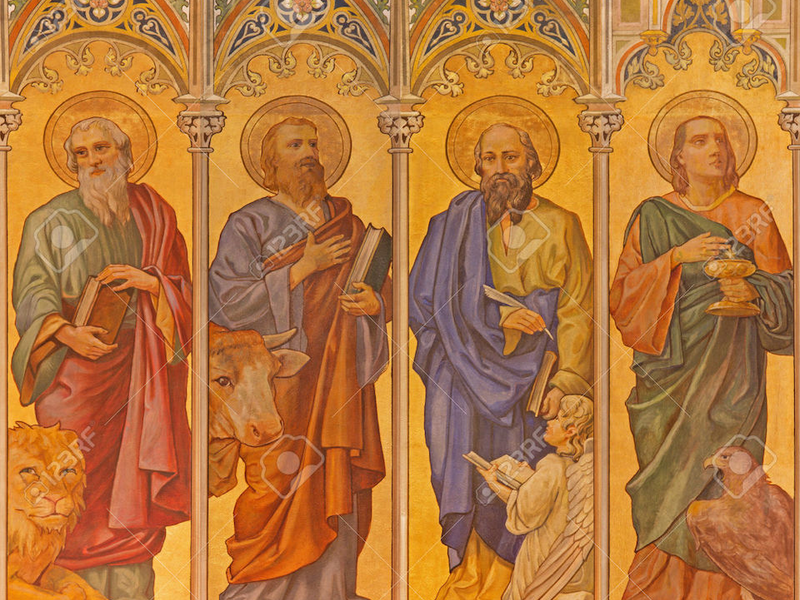
four-evangelists
Hermeneutics

Synopticity, (Part 1)

To the best of my knowledge “synopticity” is not a word used in theology or Biblical studies, but it seems an appropriate word to describe the kind of phenomena associated with the Synoptic Gospels, Matthew, Mark, and Luke. These three Gospels tell essentially the same story with significant — sometimes…

by Ralph Allan SmithNovember 10, 2016
laughing_statue_by_xxbobbiie-d5f0meh-2
Humor

Learning to Laugh

Humor is a funny thing. It is altogether familiar yet also mysterious. What makes us laugh? Why do we find things funny? There are academic fields of study dedicated to discovering what makes things humorous. These academicians even have a journal entitled International Journal of Humor Research . No joke.…

by Bill SmithNovember 8, 2016
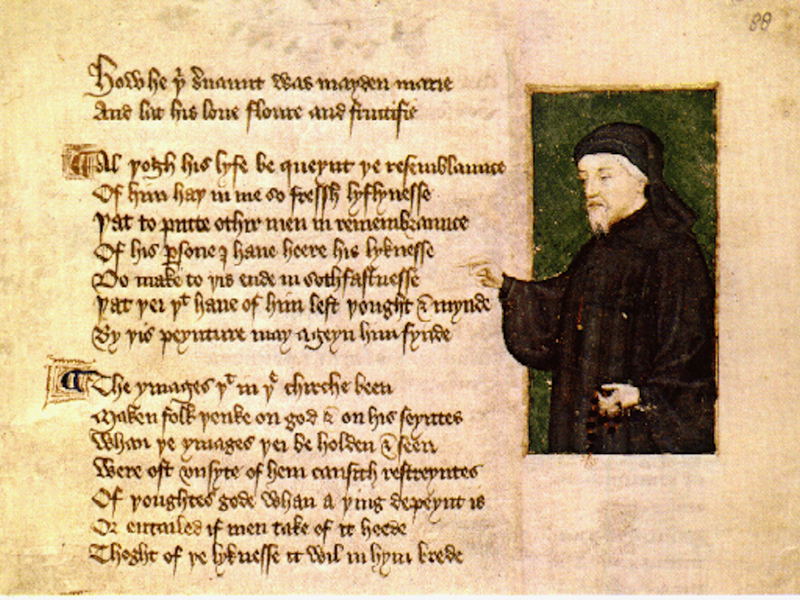
chaucer
Literature

Flawed Means of Grace: Liturgy in The Pardoner's Tale

Out of all the characters in Geoffrey Chaucer’s The Canterbury Tales , the Pardoner has been called the “one lost soul.” The pious Parson, who closes out the collection of tales with a sermon on the seven deadly sins and how a sinner can absolve himself of them, connects the…

by Christian LeithartNovember 3, 2016

Showing page 122 of 309

See all
See all
History

Tertullian and empire, again again

First I post a quotation, then I add a post raising questions about its genuineness. Now I find that it was genuine in the first place. Tertullian, On Idolatry , 19 asks “whether a believer may turn himself unto military service, and whether the military may be admitted unto the…

April 30, 2009
Politics

Polis against man

O’Donovan again: “By what right is the term ‘political’ claimed exclusively for the defense of social structures which refuse the deeper spiritual and cosmic aspirations of mankind? The price to be paid by classical republicanism is that of pitting political order against human fulfillment, of making the polis constitutionally hostile…

April 30, 2009
Politics

The Good of Power

“It is a Western conceit,” O’Donovan writes, “to imagine that all political problems arise from the abuse or over-concentration of power; and that is why we are so bad at understanding political difficulties which have arisen from a lack of power, or from its excessive diffusion.” He cites the example…

April 30, 2009

Blood and Soil, again

A helpful Christological response to my “blood and soil” post from Jack Kilcrease of Marquette University: “I’m currently working on an article about Gerhard Forde and the Radical Lutherans concept of discontinuity. They want between the law and gospel for there to be total discontinuity. Granted, this is to overcome…

April 30, 2009
History

Supernatural and hagiography

De Lubac traced the development of the terminology and concept of “supernatural” in the theologians, and Bartlett finds confirmation of de Lubac’s thesis by looking at hagiographic writings (collected in the 68 volumes of the Acta Sanctorum, published from 1643 to 1925!). He found no use of the word before…

April 29, 2009
Uncategorized

Land and sea

One of the virtues of Robert Bartlett’s The Natural and the Supernatural in the Middle Ages (aside from a chapter on dogs and dogheads) is his discussion of the medieval puzzle concerning land and sea. By the four-elements theory, earth was the densest element, and thus should gravitate to the…

April 29, 2009

Showing page 1387 of 2212

Browse by Category

In Medias Res

Your weekly digest for all things Theopolis.

Donate

Theopolis is nearly 100% donor-supported. Consider joining us on our mission.