Theopolis Logo

Writing

Explore our collection of theological essays, biblical studies, and reflections on faith and culture.

See all
little-girl
Children

Honor God With Your Body

I am making a new rule in our house! We are actually kind of skimpy on the house rules. I try very hard to keep things simple: love God, love others, be joyful. It’s not complicated to avoid discipline here. But I have found myself repeating this new rule over…

by Lindsey TollefsonApril 9, 2015

giotto-noli-me-3
John

The Gardener and the Beloved, (Part 3)

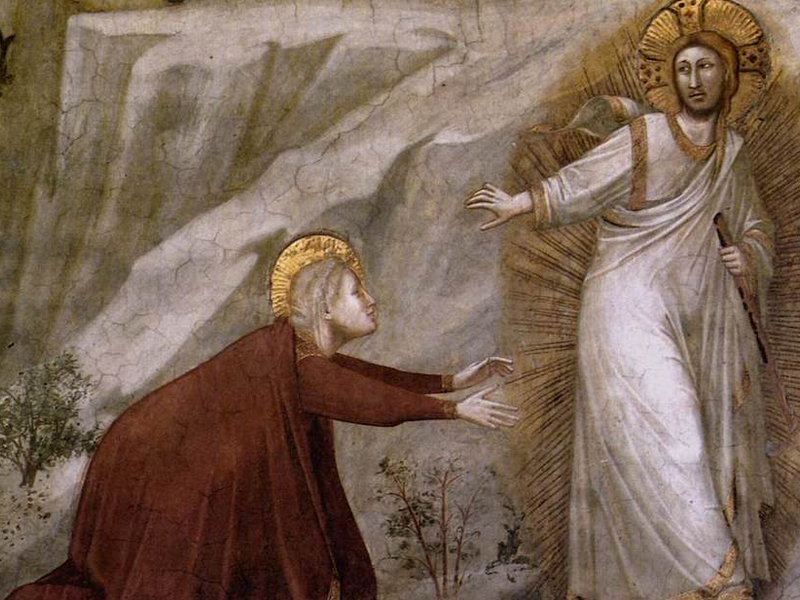
Click HERE for Part 2 The voice of Jesus transforms and changes Mary when she hears him speak her name. This is her last “turning.” So also the woman in the Song of Songs longs to hear the voice of her beloved. Let me see your face, let me hear…

by Jeff MeyersApril 6, 2015
giotto-noli-me-2
John

The Gardener and the Beloved, (Part 2)

Click HERE for Part 1. The details of this story call the attentive reader back to the drama of Solomon’s Song of Songs. And the Song of Song’s alludes to, ties us into the story of Adam and Eve in the Garden and the promise of a coming Messiah that…

by Jeff MeyersApril 4, 2015
easter-term-2015-2
Theopolis News

Easter Term, 2015

“The course was a paradigm shift for me,” said Jonathan Sedlak, a Milwaukee electrical contractor who attended Theopolis’s course on Revelation. “I am left with a book that is far more practical than it has ever seemed before.” Jonathan Anderson of Louisville, Kentucky found the course “refreshing.” “I finished with…

by TheopolisApril 2, 2015
psalm-singing
Genesis

Worship as Response: Liturgical Logic, (Part 1)

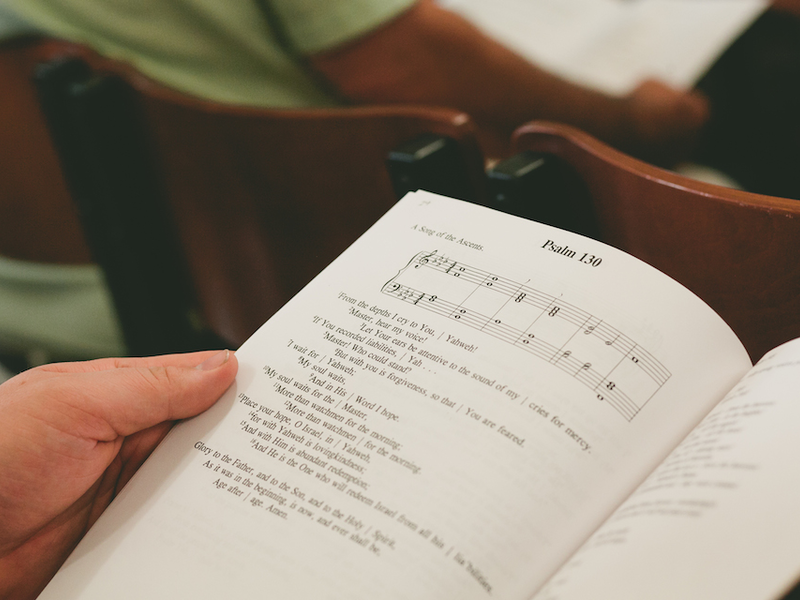
“It is only by participation in a rational, practice-based community that one becomes rational.” – Alasdair MacIntyre It may be perfectly clear to a chef why adding unsifted powdered sugar to a hot frosting is a bad idea. But for an amateur cook, this may be the kind of rule…

by Jonathan BarlowApril 2, 2015
giotto-noli-me
John

The Gardener and the Beloved, (Part 1)

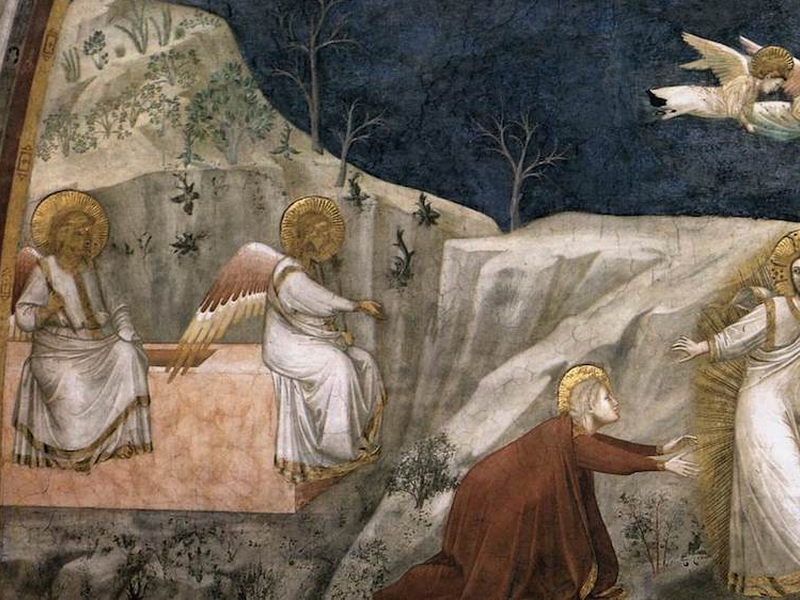
On a fresco in a chapel in Padua, Italy, there is a famous painting depicting the dramatic post-resurrection scene in John 20 with Mary and Jesus outside of the garden tomb. Giotto di Bondone painted it in the early 14th century. Jesus is striding from the tomb with a victor’s…

by Jeff MeyersApril 1, 2015

Showing page 156 of 309

See all
See all
History

Male Muse

In a NYT review of Arthur Phillips’s latest, Kate Christensen comments, “The male muse is an unaccountably rare thing in art, with the exception of the men who inspired the likes of Auden and O’Hara — that is, men who were as sexualized and fetishized as their female counter parts,…

April 10, 2009
History

We Were Never Modern

Carl Becker ( The Heavenly City of the Eighteenth-Century Philosophers ) writes that though the Philosophes were devoted to reason, “a skeptical lot, atheists in effect if not by profession, addicted to science and the scientific method, always ready to crush the infamous, valiant defenders of liberty, equality, fraternity, freedom…

April 10, 2009
History

House of gods

In an article on Constantine’s church-building, Gregory Alexander repeats a commonplace about the difference between pagan and Christian places of worship: “The temple is a house for the god; the church is a gathering place for communal worship.” Yes, but: Jesus says He’ll be there in our gathering, so the…

April 9, 2009
History

Freeman on Persecution

Freeman’s colossal misconceptions come out on every page. Under that patient persecution by the Romans, some Christians saw the light and offered sacrifice, but others “resisted to the point of martyrdom.” Not that it mattered much; they were eager to die, since they preferred “their reward in heaven . .…

April 8, 2009
History

Freeman’s distortions

Two instances of Freeman’s distortions (these from The Closing of the Western Mind ). First, he has a couple of pictures of the Riace warrior statue from Delphi, which “represents man at his most heroic, almost a god in his own right.” On the facing page he says “By the…

April 8, 2009
History

Christ and Caesar

Charles Freeman notes that the sarcophagus of the Roman aristocrat Junius Bassus depicts Jesus “entering Jerusalem as if he was an emperor entering a city, and above this image he is shown sitting in glory on an imperial throne set above a representation of heaven.” He cites Sabine MacCormack’s comment…

April 8, 2009

Showing page 1395 of 2212

Browse by Category

In Medias Res

Your weekly digest for all things Theopolis.

Donate

Theopolis is nearly 100% donor-supported. Consider joining us on our mission.