Theopolis Logo

Writing

Explore our collection of theological essays, biblical studies, and reflections on faith and culture.

See all
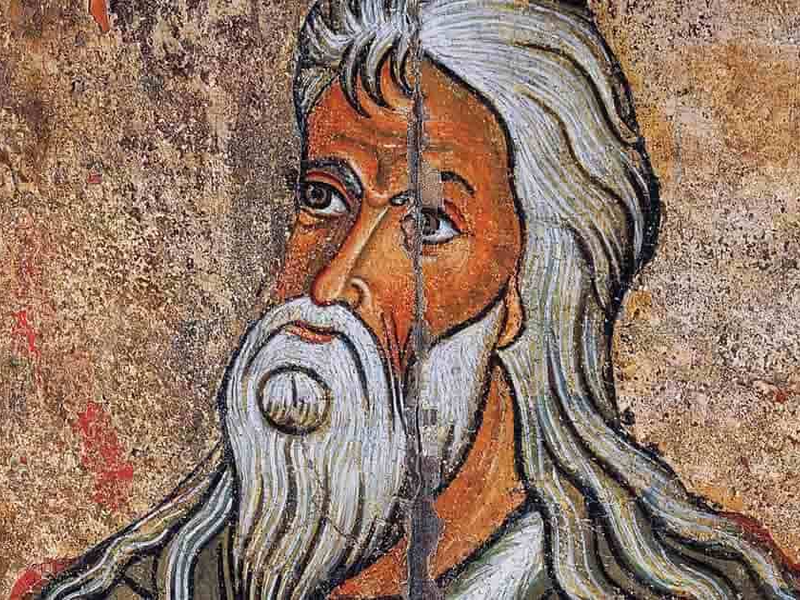
elijah-1200x630-min
Biblical Horizons

Elijah’s Exodus

1 Kings 17, which abruptly introduces Elijah into the history of the northern kingdom, is a carefully constructed literary unit. In its basic structure, it follows a clear exodus-return pattern. Like Jacob and his sons, Elijah was driven out of the land by a famine (vv. 1-4). In exile, Elijah…

by Peter LeithartJune 17, 1992

ales-krivec-4mibe6zg5r0-unsplash
Biblical Studies

All Things New

Now the Pharisees, who were lovers of money, were listening to all these things and they were scoffing at Him. And He said to them, "You are those who justify yourselves in the sight of men, but God knows your hearts; for that which is highly esteemed among men is…

by Mark HorneJune 6, 1992
aaron-burden-h8s0pf2rcqs-unsplash
Biblical Chronology

Chronologies and Kings, Part 11: The Knots of 2 Kings 11-14

In the year 3119, Ahaziah of Judah and Jehoram of Israel were both slain by Jehu as he carried out his God-appointed task of eliminating the seed and house of Ahab (2 Kings 9:13-33). Since the kings of Israel are usually counted as beginning their reign in the same year…

by James B. JordanMay 24, 1992
trnava-university-beeyeib-am8-unsplash
Biblical Studies

Gleanings from Robert Alter’s "Art of Biblical Narrative"

One of the most important developments in Biblical studies in recent years has been a movement of scholars devoted to studying the literary techniques of the Biblical writers. Tremper Longman, III of Westminster Theological Seminary has treated this movement from a Reformed perspective in his Literary Approaches to Biblical Interpretation…

by Peter LeithartMay 17, 1992
ian-schneider-iqbc4vu4ypq-unsplash
Biblical Horizons

Tentmaking

And because [Paul] was of the same trade, he stayed with [Aquila and Priscilla] and they were working; for by trade they were tentmakers (Acts 18:3). The fact that Paul was by trade a tentmaker has usually been taken as the springboard for a discussion of whether pastors should have…

by James B. JordanApril 24, 1992
screen-shot-2022-05-12-at-12-07-23-pm
Biblical Studies

Chronologies and Kings, Part 10: Jehoram of Judah

I pointed out in Chronologies and Kings Part 9 that the years of Judah’s kings are given in chronological fashion. "When we read of a Judahite king’s reign as lasting 4 years, it means that 4 years of the chronology have been given to him, and there is no chronological…

by James B. JordanApril 24, 1992

Showing page 290 of 309

See all
See all
History

Missing Sunday School

Robin Lane Fox ( Pagans and Christians ) summarizes Constantine’s telling of the story of Daniel: In the court of Cambyses, Daniel “worked his miracles and prayed intently three times a day. The Magi became jealous of this new superior, and so he cast him to lions in the royal…

March 26, 2009
History

Religion of the Paperback

That’s how Stroumsa describes early Christianity, because of its preference for the small, portable codex over the traditional, sacred but quite cumbersome scroll. The codex had practical advantages, but Stroumsa thinks that something else was at work: “In going against all religious and cultural norms, the Christians manifestly knew that…

March 25, 2009
History

End of Sacrifice

Guy Stroumsa’s book, The End of Sacrifice (just released from the University of Chicago) is small in size but raises huge questions. Based on lectures delivered at the College de France, Stroumsa’s book examines religious, religio-political and religio-anthropological shifts during the first centuries after Christ. He sees several new emphases…

March 25, 2009
History

Human sacrifice

Eusebius ( Gospel Preparation , 4.17) charges that human sacrifice was regularly practiced by ancient peoples: “And whether it is Phylarchus, or any one else, who records that all the Greeks, before going out to their wars, offer a human sacrifice, do not thou hesitate to take him also as…

March 25, 2009

Magnanimity

Aristotle defined magnanimity or “great-mindedness” as a proper estimate of one’s merits: “The Great-minded man is then, as far as greatness is concerned, at the summit, but in respect of propriety he is in the mean, because he estimates himself at his real value (the other characters respectively are in…

March 25, 2009
Uncategorized

Moses and philosophy

In his Oration to the Saints , Constantine repeats the patristic commonplace that Greek philosophy owed a debt to Moses: “Moses excelled his predecessors in wisdom to such a degree that even those who were praised by the nations as wise men and philosophers came to emulate his wisdom. For…

March 25, 2009

Showing page 1401 of 2212

Browse by Category

In Medias Res

Your weekly digest for all things Theopolis.

Donate

Theopolis is nearly 100% donor-supported. Consider joining us on our mission.