Theopolis Logo

Writing

Explore our collection of theological essays, biblical studies, and reflections on faith and culture.

See all
img_5862
Culture

Birmingham Life and Culture Series

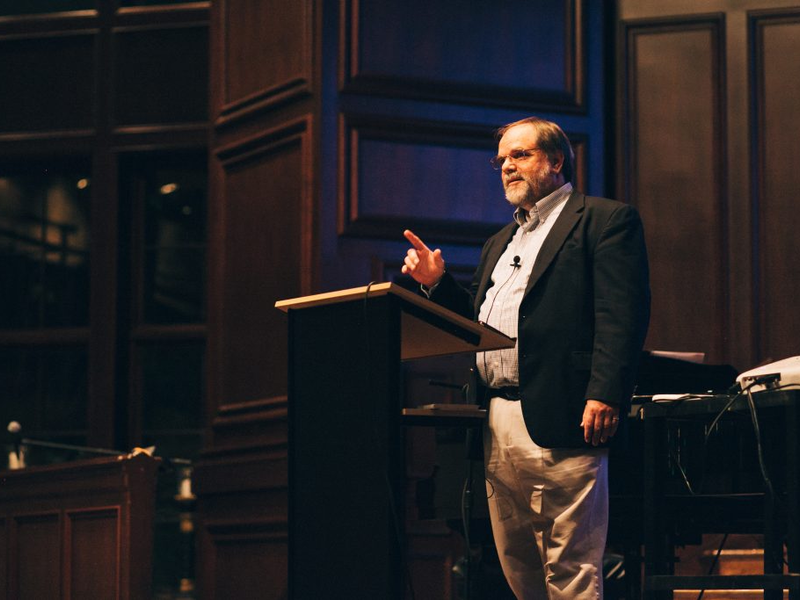
There’s something about joy that is infectious. And occasionally, we all have the opportunity to be in someone’s presence who is so happily engaged in their work, so joyous in their pursuits, that we want to learn from them. We want to know where that joy comes from and attain…

by Brian MoatsOctober 23, 2015
img_6077
How to Worship

How To Change the World, (Part 1)

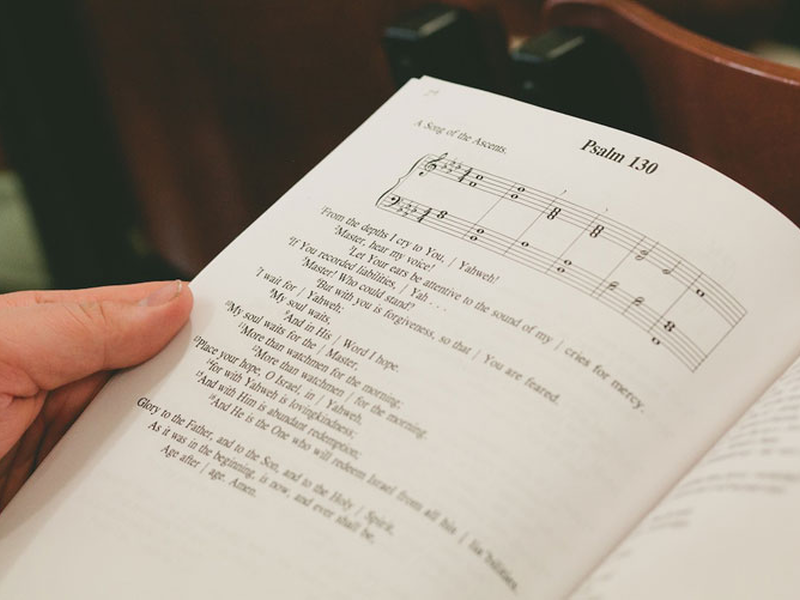
Jesus has told us that He intends all nations to be discipled. Nations. Not just individuals. All nations as theocracies. That being the case, the Church exists for the life of the world. Being baptized is not only a matter of becoming part of a new family, it is also…

by James B. JordanOctober 22, 2015
branagh-macbeth
Literature

Adam, Saul, Macbeth

Harold Bloom’s essay on Macbeth includes the kind of penetrating insights that make Bloom the great Shakespearean scholar that he is, but it also includes his typical and intense anti-Christian bias. “If Lear was pre-Christian, then Macbeth is weirdly post-Christian. There are, as we have seen, Christian intimations that haunt…

by Ralph Allan SmithOctober 20, 2015
bowls
Revelation

Inverted Atonement

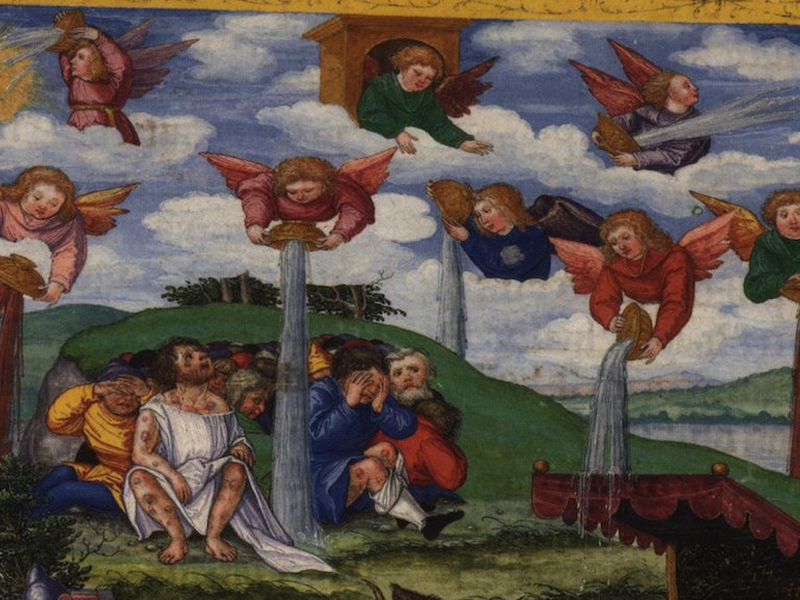
Revelation 16 is a day of atonement text. The tabernacle of the testimony has been opened (15:5). The angels who receive the bowls are clothed in linen (15:6), the clothing of the high priest when he goes into the sanctuary on the day of atonement (Leviticus 16:4). The temple is…

by Peter LeithartOctober 15, 2015
img_9025
Biblical Studies

Music and Hermeneutics

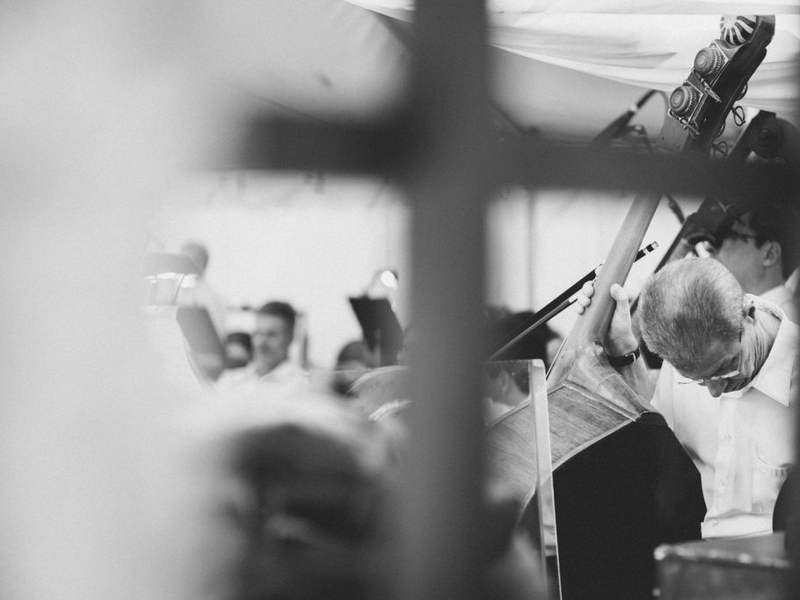
From time to time, when I’ve lectured on how to read the Bible, I’ve used art-music as one example thereof. When we listen to a simple folk song, we hear the same melody over and over again, but this is not how composers write "high" music. Let me amplify. A…

by James B. JordanOctober 13, 2015
schlanger_jonah_prison_090913_620px
Biblical Studies

In the Fish: The Church as Tomb

"For just as Jonah was three days and three nights in the belly of the sea-monster, so will the Son of Man be three days and three nights in the heart of the earth" (Matthew 12:40). Some reflections on Jonah’s Big Fish have led to the following essay. Let me…

by James B. JordanOctober 8, 2015

Showing page 142 of 309

See all
See all

Biting again

Philip Esler draws on the anthropological work of Anthony Cohen to suggest that Paul’s reference to “biting” and “devouring” may describe the actual internal life of Paul’s churches: “Anthony Cohen’s argument about the persistence of liminality among persons once they have crossed a boundary to join a new group raises…

February 24, 2009

Biting

Paul contrasts fulfilling the law of loving neighbor with biting, devouring, and consuming. Love for neighbor is human behavior; anything else is feral. The verb “bite” ( dakno ) is used only in Galatians 5:15 in the NT, and only twice in the LXX (Genesis 49:17; Deuteronomy 8:15), both references…

February 24, 2009

Linguistic reversal

Galatians 5-6 turns a number of Pauline terms inside out. After spending most of the letter polemicizing against seeking justification form the “works of the law,” Paul rehabilitates both “work” (5:6) and “law” (5:14; 6:2). After announcing that in Christ we have been freed from the Egypt of Judaic managers…

February 24, 2009

Chiasm upon Chiasm in Galatians 5-6

Galatians 5-6 is organized as a chiasm, with the exhortation to bear one another’s burdens, and fulfill the law of Christ, at the center. The structure suggests that that the freedom that the Spirit grants is precisely freedom to bear the burdens of others as Christ as done for us.…

February 24, 2009
History

Neutral

Freeman again: He claims that Constantine employed the image of the sun, used in both Christianity and paganism, to maintain “his neutral position between opposing faiths.” In part, his interpretation is based on HA Drake. But the neutrality that Drake talks about is a neutrality in “public space” that enabled…

February 24, 2009
History

Not so shrewd

Freeman says that Constantine’s “conversion” was a shrewd political act, basing this conclusion, he claims, on “recent research.” (Burckhardt is recent??) One sign of his shrewdness was his ability to satisfy both Christian and pagan: “Some very careful political manoeuvring was necessary if Constantine was to avoid offending either Christian…

February 23, 2009

Showing page 1412 of 2212

Browse by Category

In Medias Res

Your weekly digest for all things Theopolis.

Donate

Theopolis is nearly 100% donor-supported. Consider joining us on our mission.