Theopolis Logo

Writing

Explore our collection of theological essays, biblical studies, and reflections on faith and culture.

See all
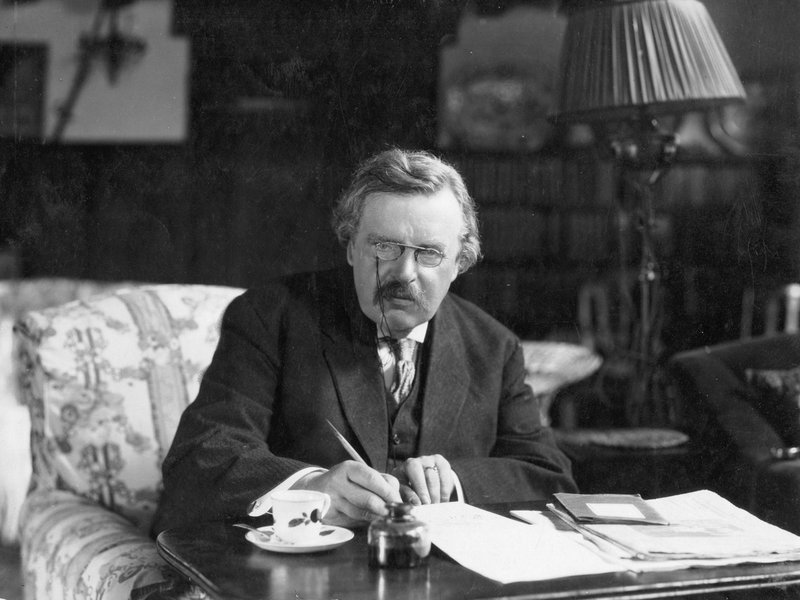
g-_k-_chesterton_at_work
Books

Interpreting "The Man Who Was Thursday"

I just finished re-reading G. K. Chesterton’s The Man Who Was Thursday . I have in the past had the temerity to say that I believe it to be the best novel of the 20th century. Be that as it may, I still maintain that it is at least one…

by Richard BledsoeJanuary 7, 2022
10779-istockgetty-images-plusredletterw
Hebrews

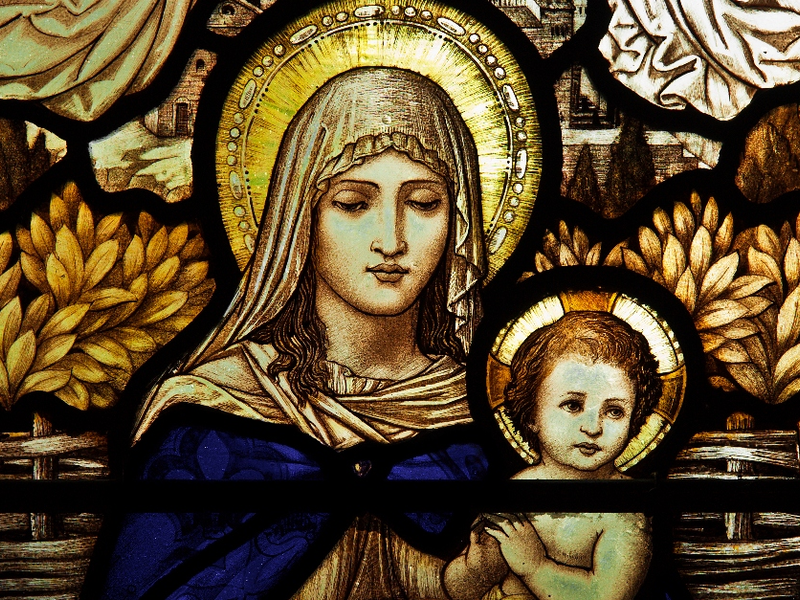
The Universality of Mary’s Wound

And Simeon blessed them and said to Mary his mother, “Behold, this child is set for the fall and rising of many in Israel, and for a sign that is spoken against and a sword will pierce through your own soul also, that thoughts out of many hearts may be…

by Garrett SoucyJanuary 4, 2022
heartierhymnals-stockimage
Music

An Argument for Heartier Hymnals

I was inspired to write this article after reading John Ahern’s The Case for Shorter Hymnals first published on Theopolis Institute’s website on November 16, 2021. Mr. Ahern and I are writing with different audiences and emphases in mind. I am thankful we both share a mutual desire to see…

by Jarrod RicheyDecember 30, 2021
tim-marshall-k2u71wv2ei4-unsplash-1
Biblical Studies

Image of God

If you’ve spent any time in the social-media galaxy of Christian cultural commentators, you have almost definitely run across the Latin phrase Imago Dei . It means image of God . Why they usually say it in Latin, I couldn’t tell you. We saw it in the wake of the…

by Daniel HoffmanDecember 28, 2021
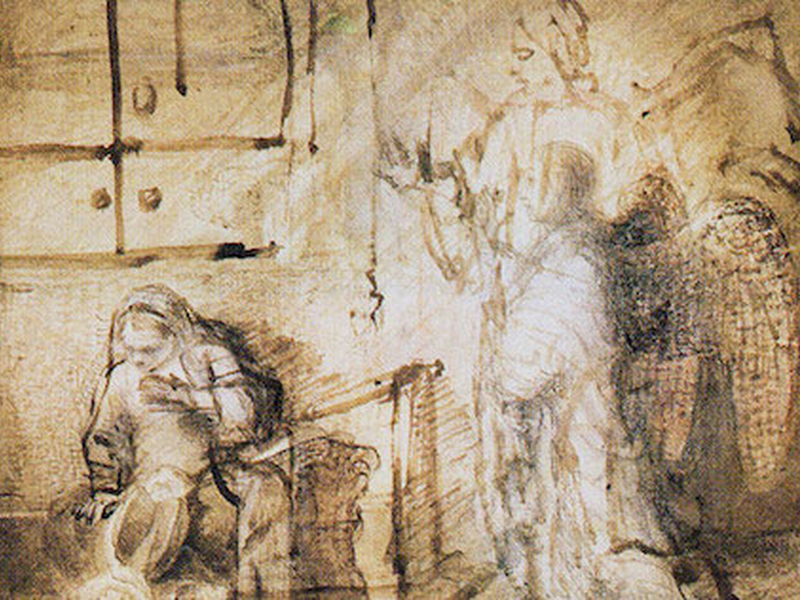
annunciation
Advent

He Comes to Make His Blessings Known: "Son of David" and "Son of Abraham" in Matthew 1:1

The Gospel of Matthew—indeed, the New Testament—begins with a list of names, and that list of names is introduced by this heading: “The book of the generations of Jesus Christ, the son of David, the son of Abraham.” Why start like this? Why “the son of David” and “the son…

by Josh JensenDecember 23, 2021
49980-nicolas_poussin_-_the_judgment_of_solomon_-_wga18330-800w-tn
Biblical Studies

On Not Needing to Cut the Baby in Half

A blade is raised. A child wails. But the brow under the crown is untroubled. Solomon knows that the raising of the sword will reveal the true parent and the identity of the son. But how did he know this? Abraham’s willingness to sacrifice Isaac certainly bears some of the…

by Jonathan WhiteDecember 21, 2021

Showing page 48 of 309

See all
See all
Politics

Against Rawls

John Gray begins his Enlightenment’s Wake with a breathtaking dismissal of neo-liberal political philosophy (the chapter is “Against the new liberalism”). I found it thrilling, and not just because I have a weakness for titles that begin with “Against.” A few highlights: “It is arguable that the traditional of liberal…

December 24, 2008
History

Cities of God

In the introduction to his 2005 book, Cities of God , Augustine Thompson complains that medievalists have paid too little attention to the religious lives of orthodox laymen: “Heretics, popes, theologians, Franciscans, and saints. Where is everyone else?” His book studies the communes of medieval Italian cities partly to redress…

December 23, 2008

Days of John

Reacting to my earlier post on the week of John 1-2, John Barach offers a (needed) lesson in counting: It seems to me that the wedding at Cana has to be taken as the eighth day for two reasons. First, the parallels with the seven days of creation make it…

December 23, 2008

Lots Again

A friend and former student, Aaron Cummings. offers more thoughts on the lot-scapegoat connection: 1) Saul cast lots for Jonathan when we he sinned. Saul sinfully saw Jonathan as a new Achan, a man whose sin affected the congregation. Saul like Joshua uses lots to root out the sin. 2)…

December 23, 2008
History

City of Commerce

Cities dominated by commerce are offensive to many today, but historically a city of commerce is a city of peace, a city that has escaped the domination of military elites and interest. Weber wrote: “While in Antiquity the hoplite army and its training and military interests moved to the center…

December 22, 2008
Politics

Gifts of power

Power and gift seem to be opposed to each other, but Milbank argues that true rule is always donative, always a gift of ruling. This is partly a matter of power-sharing, and obvious once the point is made: A ruler who does not share rule is, by definition, a tyrant;…

December 22, 2008

Showing page 1433 of 2212

Browse by Category

In Medias Res

Your weekly digest for all things Theopolis.

Donate

Theopolis is nearly 100% donor-supported. Consider joining us on our mission.