Theopolis Logo

Writing

Explore our collection of theological essays, biblical studies, and reflections on faith and culture.

See all
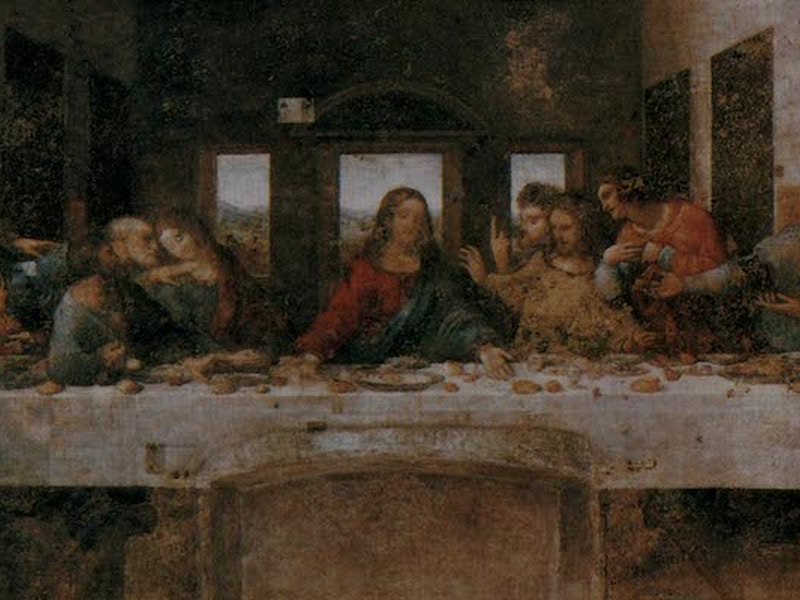
last-supper
Luke

Table Talk

Along His journey to Jerusalem, Jesus stops frequently to have meals, three times with Pharisees (7:37-50; 11:37-54; 14:1-35). Meals were central to Jesus’ ministry. He comes “eating and drinking” (Luke 7:34). While His meals are not just for refreshment, they are opportunities for teaching the protocols of the kingdom. Meals…

by Peter LeithartApril 19, 2016
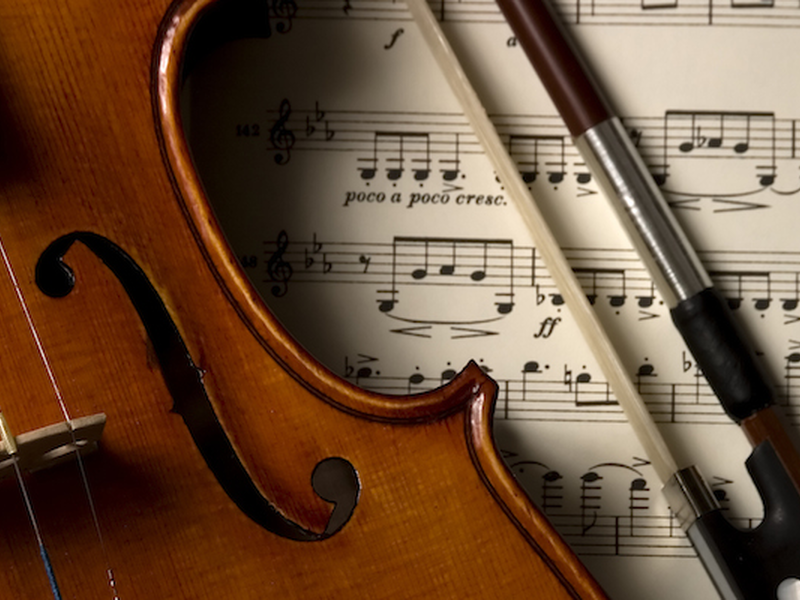
music-violin
Biblical Theology

A Musical Case for Typological Realism, (Part 4)

Time as a realm of participation can be difficult for us imaginatively to grasp. While music is a profoundly temporal art, exploring the medium of time like no other, most of our temporal experience seems decidedly unmusical in character, disjointed and unorchestrated. The form in which we naturally discover time…

by Alastair RobertsApril 14, 2016
John

Jesus' Burial Clothes

John devotes much attention to Jesus’ burial clothes. He tells us that Nicodemus brought about a hundred pounds of myrrh and aloes to spice Jesus body, and that He was bound in linen wrappings. We find out that His body and His head were wrapped separately. (John 19:39-40; 20:6-7). When…

by James B. JordanApril 12, 2016
clock
Biblical Theology

A Musical Case for Typological Realism, (Part 3)

Thinking about time in terms of music also helps us to appreciate its unity and inner relations. Henri Bergson observes our cultural habit of dividing time into discrete moments, and conceiving of these as if akin to objects in a spatial succession. [1] Against such a notion, Bergson argues for…

by Alastair RobertsApril 7, 2016
screen-shot-2016-03-31-at-9-32-11-am
Biblical Theology

A Musical Case for Typological Realism, (Part 2)

As we attend to these and other aspects of music’s temporality, Begbie suggests, we will find means by which to resist some of our habitual modern ways of conceptualizing time, most especially our tendency to conceive of time as if it were a homogeneous set of technologically quantifiable units laid…

by Alastair RobertsMarch 31, 2016
biblioteca-vasconcelos-crop
Biblical Theology

Systematic Typology (Part Three)

The Hidden Dimension In many fields of scientific study, the apparent complications and contradictions are dispelled once the internal logic is perceived. Biblical hermeneutics is no different, since the author of Creation is the Author of the Word. The Bible’s literary labyrinth radiates organically from an algorithm so simple it…

by Mike BullMarch 29, 2016

Showing page 133 of 309

See all
See all
Philosophy

The Will Behind the Veil

Julian Young offers a neat summary of the Arthur Schopenhauer (the "first European Buddhist") at the TLS . Schopenhauer's philosophy can be pinpointed by contrast with two better-known thinkers. Against Hegel's fantastic " Bildungsroman , a story of the ever-increasing realization of 'reason' in human affairs," Schopenhauer offered a thoroughgoing,…

September 15, 2017

Toscanini Rules

"How is it possible," asks Terry Teachout , "that a man who made his conducting debut when Grover Cleveland was president should still be sufficiently well known and revered that most of his recordings remain in print to this day?" Teachout thinks that Harvey Sachs's Toscanini: Musician of Conscience comes…

September 15, 2017

Self-Published Borges

The first published book of Jorge Luis Borges, the great Argentinian poet and short-story writer, was Fervor de Buenos Aires . Borges later wrote, “ Fervor de Buenos Aires foreshadows everything I would do afterward.” It was a slapdash production, Borges claimed in his autobiography: “The book was actually printed…

September 15, 2017

Secular Salvation

John Colmer observes in his study of E.M. Forster that Forster's novels transpose Christian terms into a secular key: "a whole set of religious terms - salvation, grace, conversion, transfiguration - become assimilated into an essentially secular vision. . . . Men now seek their happiness on this earth not…

September 15, 2017

Fall of the Creative Class?

Richard Florida's 2002 Rise of the Creative Class was a manifesto for urban hipness. As Joseph Bottum sums up the book , Florida argued that "cities thrive when these creative types are allowed to build the creative economy. Their tolerance for alternative lifestyles and their acceptance of unconventional housing broke…

September 15, 2017

Medieval Tolerance

"Medieval tolerance" sounds like an oxymoron. Everyone knows the medievals were in tolerant. Everyone knows that tolerance was invented in the modern world. Everyone who knows such things is wrong. Istvan Bejczy demonstrates in a 1997 essay that medieval thinkers had a well-developed concept of tolerance. He goes further than…

September 14, 2017

Showing page 144 of 2212

Browse by Category

In Medias Res

Your weekly digest for all things Theopolis.

Donate

Theopolis is nearly 100% donor-supported. Consider joining us on our mission.