Theopolis Logo

Writing

Explore our collection of theological essays, biblical studies, and reflections on faith and culture.

See all
trnava-university-beeyeib-am8-unsplash
Biblical Chronology

Meredith G. Kline Strikes Back, Part 2

In our first essay we looked at Kline’s flawed exegesis of Genesis 2:5 as it relates to Day 3 of creation. Now we turn to Kline’s new argument against a chronological reading of Genesis 1, as found, again, in "Space and Time in the Genesis Cosmogony," Perspectives on Science and…

by James B. JordanMarch 29, 1997
30211-bathsheba-800w-tn
Hermeneutics

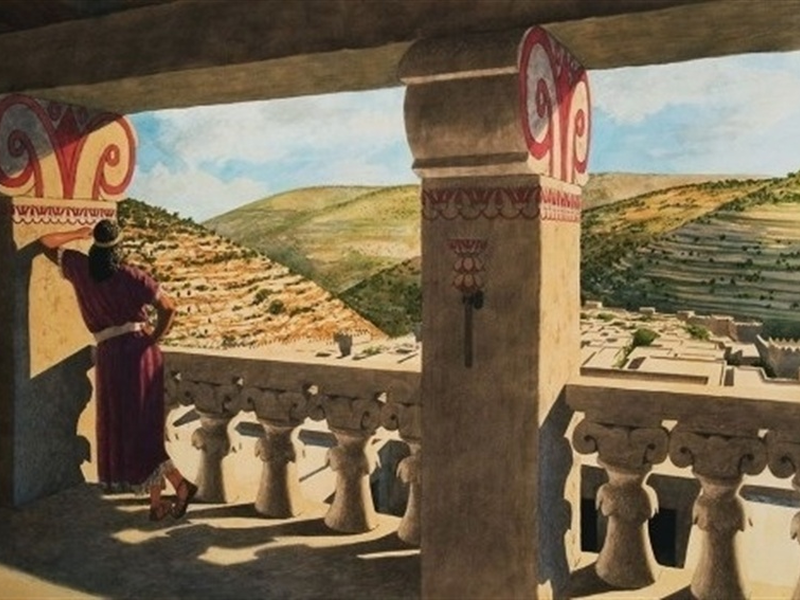
Bathsheba: The Real Story

One of the advantages of paying very close attention to the details in the Bible, especially chronological and genealogical details, is that they can shed light on situations that don’t seem to make much sense apart from them. One such situation is that of Bathsheba. It appears that Bathsheba willingly…

by James B. JordanMarch 28, 1997
jonathan-cooper-ygxq7hfdjzq-unsplash
Church Calendar

Is the Church Year Biblical? | A Parking Lot Parable

Once upon a time, Jeff Meyers and Tony Rollins–old friends who had not seen each other for a few years–met in the parking lot of a neighborhood church. They were dropping off their pre-school children at the church for Mother’s Day Out. They were such conscientious and helpful fathers. As…

by Jeff MeyersMarch 20, 1997
annie-spratt-upxf6to3fea-unsplash
Daniel

The Allegory of Susanna

Years ago, when I was at the briefly-existing Geneva Divinity School, I taught a course in the Apocrypha. One thing that struck me at that time is that two of the stories are almost certainly religious allegories (as well as moral tales): Judith and Susanna. Since "Susanna" means "Lily," this…

by James B. JordanFebruary 28, 1997
serafima-lazarenko-_ivuwprfczi-unsplash
Biblical Horizons

A Blossom of Yahweh’s Field

Peter’s essay inspires me to write up some similar thoughts about the flower of the field. Rightly does Peter associate the almond with Yahweh’s garden, because the Garden of Eden is symbolically positioned as parallel to the Holy Place of the Tabernacle and Temple. To wit: Since Aaron’s rod blossomed…

by James B. JordanFebruary 28, 1997
trnava-university-beeyeib-am8-unsplash
Biblical Chronology

Meredith G. Kline Strikes Back, Part 1

We have had occasion to discuss the views of Meredith G. Kline previously in these newsletters, and now it is time to do so again. Kline teaches at Gordon-Conwell Theological Seminary and also at the Westminster Theological Seminaries (Philadelphia and San Diego). He is the author of some interesting insights…

by James B. JordanFebruary 28, 1997

Showing page 259 of 309

See all
See all
History

Constantine, ecumenist

In 325, Constantine wrote a letter announcing the deposition of Eusebius of Nicomedia. As Timothy Barnes points out, it exemplifies the “pattern of respect tempered with frustration” that characterized Constantine’s relations with the bishops. One passage is reminiscent of Paul’s rebuke of the Galatians: “it was truly worthy of wonder…

November 19, 2008

Eucharistic meditation

2 Chronicles 3:1: Solomon began to build the house of Yahweh in Jerusalem on Mount Moriah, where the Lord had appeared to his father David, at the place that David had prepared, on the threshing floor of Ornan the Jebusite. Naomi gives Ruth specific instructions for her approach to Boaz:…

November 16, 2008

Exhortation

Ruth 3 begins and ends with “rest.” Naomi seeks “rest” for Ruth (v. 1), and after Ruth meets Boaz on the threshing floor, Naomi assures her daughter-in-law and Boaz will not “rest” until he has finished the task. That’s his job as a redeemer: To bring rest. Redeemers buy brothers…

November 16, 2008

Public liturgy

Fenn quotes Daniel Bell’s complaints that liturgies “drain” energies that should belong to useful institutions like political parties and comments “On this view, the genuine public sphere is outside the church, which becomes the sphere of private self-absorption and self-celebration.” By contrast, “to the believer, it is the liturgy that…

November 15, 2008

Liturgical politics

Fenn again: Liturgy is the public work of the people and thus “to be a person . . . meant [for the Greeks] precisely to have a role in the public work of the community.” Thus, “to take part in the Christian liturgy is to take on one’s role in…

November 15, 2008
History

Witness, Liturgy, Modernity

Richard Fenn writes, “In secularized Western societies . . . many individuals are caught in a double-bind. On the one hand, they take seriously the role of the credible witness, and seek, on grounds of their own testimony, to be taken seriously, whether they are reporting what they saw on…

November 15, 2008

Showing page 1447 of 2212

Browse by Category

In Medias Res

Your weekly digest for all things Theopolis.

Donate

Theopolis is nearly 100% donor-supported. Consider joining us on our mission.