Theopolis Logo

Writing

Explore our collection of theological essays, biblical studies, and reflections on faith and culture.

See all
evangelists
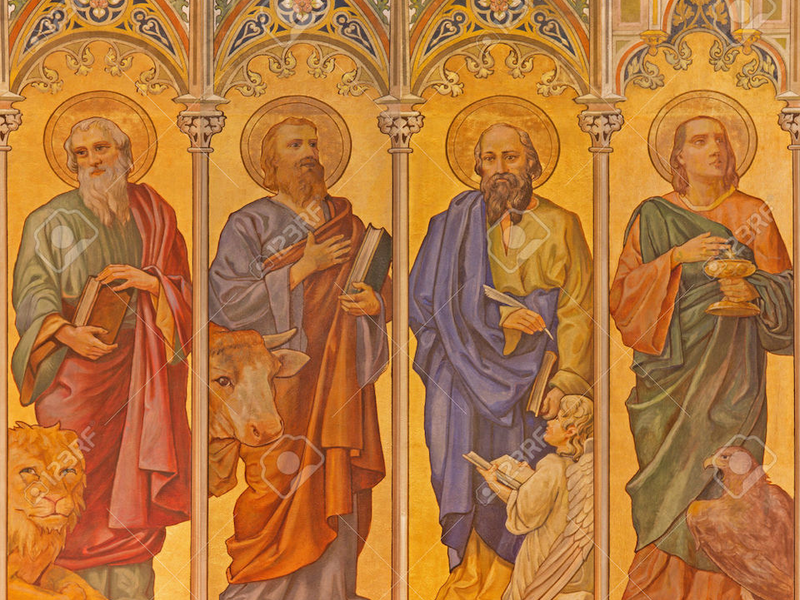
Matthew

Dating Matthew, (Part 1)

When might the Gospel according to Matthew have been written? Of course, any answer can only be speculation, but that does not mean we are reduced to groundless opinion. In this series of articles I point the way to an approach different from the general consensus among scholars today which…

by Ralph Allan SmithNovember 22, 2016
hebrew-manuscript-3
Hermeneutics

Synopticity, (Part 2)

In my first essay on “synopticity” I offered a rather rough definition of the phenomenon and important, though not exhaustive examples. In this essay, I want to introduce broader aspects of the phenomenon of “synopticity.” The first example that I have in mind is conventional stories, stories of different historical…

by Ralph Allan SmithNovember 17, 2016
screen-shot-2016-03-31-at-9-32-11-am
Ascension

Brexit and the Binding of Satan, Part 4

Since the judgment of Babel was followed by the initiation of the circumcision, the impending end of the circumcision in AD70 explains the significance of the first century miracle of foreign tongues. Except for a few Aramaic “teasers” in the book of Daniel, the Word of God was monolingual and…

by Mike BullNovember 15, 2016
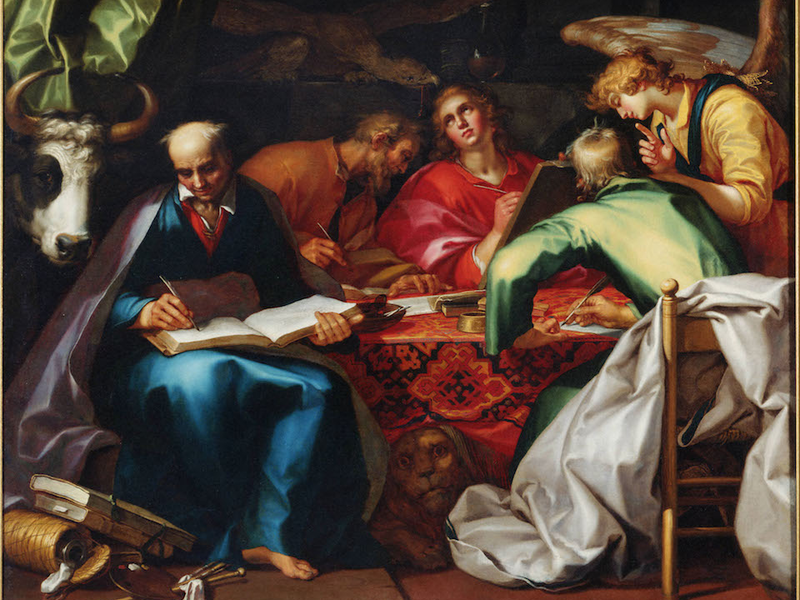
four-evangelists
Hermeneutics

Synopticity, (Part 1)

To the best of my knowledge “synopticity” is not a word used in theology or Biblical studies, but it seems an appropriate word to describe the kind of phenomena associated with the Synoptic Gospels, Matthew, Mark, and Luke. These three Gospels tell essentially the same story with significant — sometimes…

by Ralph Allan SmithNovember 10, 2016
laughing_statue_by_xxbobbiie-d5f0meh-2
Humor

Learning to Laugh

Humor is a funny thing. It is altogether familiar yet also mysterious. What makes us laugh? Why do we find things funny? There are academic fields of study dedicated to discovering what makes things humorous. These academicians even have a journal entitled International Journal of Humor Research . No joke.…

by Bill SmithNovember 8, 2016
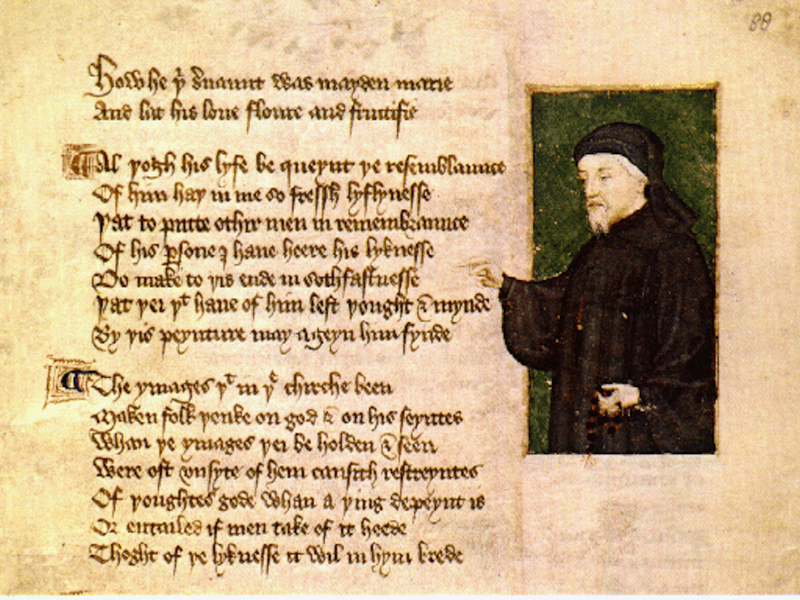
chaucer
Literature

Flawed Means of Grace: Liturgy in The Pardoner's Tale

Out of all the characters in Geoffrey Chaucer’s The Canterbury Tales , the Pardoner has been called the “one lost soul.” The pious Parson, who closes out the collection of tales with a sermon on the seven deadly sins and how a sinner can absolve himself of them, connects the…

by Christian LeithartNovember 3, 2016

Showing page 122 of 309

See all
See all
Gratitude

What Is Thanks? Daily Eucharist

We can fill out Paul's exhortation to give thanks for all things in all circumstances concretely by bringing it more explicitly into connection with the liturgy of the todah and the Eucharist. Giving thanks is a pattern of acknowledgement, recital, memorial, and feast. Or: we give thanks when we take,…

September 14, 2017

What Is Thanks? Eucharist in the Church

The combined sacrificial-verbal todah (thank offering) carries over directly into the Christian Supper. The main elements of the ancient Israelite rite are present, either in the New Testament or in very early post-apostolic celebrations of the Eucharist. 1) Jesus instructs his disciples to “do this” – not only to eat…

September 13, 2017

What Is Thanks? Rite and Speech Act

Most English translations introduce the terminology of “thanks” in of Leviticus, as a translation of todah (Lev 7:11-15), a noun derived from yadah . In the Levitical system, todah does not refer to emotions or verbal expressions of gratitude but to a sacrificial ritual, a specific form of the peace…

September 12, 2017

Walking In Light

The following is an excerpt from my commentary on 1-3 John, From Behind the Veil . The chapter division in our Bibles does not follow the flow of John’s argument in 1 John, which slips past the end of chapter 1 and flows into the beginning of chapter 2. The…

September 12, 2017
Gratitude

What Is Thanks? A Name

“What is thanks?” Scripture answers that thanks is neither an emotion nor a virtue. [1] It is accompanied by emotions, and as we get to the New Testament it broadens to become a tone or stance of life, something like a meta-virtue. Fundamentally, thanks is a name, a ritual, and…

September 11, 2017

Capitalism and Community

Brian Jones argues that defenses of capitalism are anthropologically thin. They "need a more humane anthropology, sensitive to man’s social and communal nature, lest they forget to ask the crucial question of what economics is for." He cites a 2002 article from the American Spectator to illustrate the reductive character…

September 8, 2017

Showing page 145 of 2212

Browse by Category

In Medias Res

Your weekly digest for all things Theopolis.

Donate

Theopolis is nearly 100% donor-supported. Consider joining us on our mission.