Theopolis Logo

Writing

Explore our collection of theological essays, biblical studies, and reflections on faith and culture.

See all
e99a2191
Theopolis News

New Season & New Relationships

We have moved from death to new life, from Lenten darkness to Easter light. And while Easter Sunday may have come and gone, it's effects are continually with us. This season has brought with it several new relationships, events, and signs of growth for Theopolis. We have been networking with…

by Peter LeithartMay 9, 2016
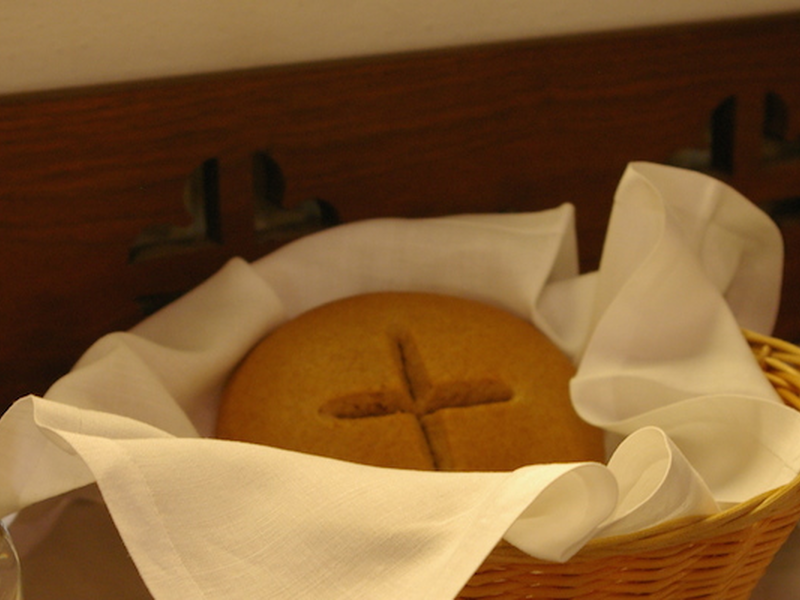
eucharist-2
Eucharist

Social Eucharist in the Middle Ages

In The People's Work , a social history of Christian Worship, Frank Senn summarizes the developments of the medieval period with regard to the Eucharist. He begins by challenging the assumption that medieval society was held together by “the church.” He notes that the church was often divided and conflicted,…

by Peter LeithartMay 5, 2016
turing-machine
Biblical Theology

What Is Systematic Typology? Part 4: Wheels Within Wheels

The structure of the Bible resembles something which was grown rather than built, composed rather than assembled. Its employment of “structure-as-sign” at every level from micro- to macrocosmic leads to the conclusion that a hermeneutic worthy of Scripture requires not only training in history, art and music but also the…

by Mike BullMay 3, 2016
giotto-noli-me-3
Luke

Eighth Day, Eighth Verdict

For some in first-century Israel, Easter was anything but good news. It was a terrifying surprise. For the rulers and powers that put Jesus to death, the idea that He had been raised by some power beyond their control was chilling. Early in Luke’s gospel, we're told that Herod thought…

by Peter LeithartApril 28, 2016
sebastian-pena-lambarri-yv593oymkmo-unsplash
Hermeneutics

153 Large Fish

Simon Peter went up, and drew the net to land, full of large fish, a hundred and fifty-three; and although there were so many, the net was not torn. (John 21:11) This is one of those texts in the Bible that many people puzzle over. It is not a puzzle…

by James B. JordanApril 26, 2016
jesus-on-trial
Philemon

Pilate the Kingmaker

God is not mocked, Paul says. God is mocked, says Matthew. Who’s right? The two are in perfect harmony, but to see that, we need to run through the passage again. We’ll see that at every point, the mockery is being turned against the mockers. At every point, mockery is…

by Peter LeithartApril 21, 2016

Showing page 132 of 309

See all
See all

Art of God

Emery points out that Thomas’ Trinitarian account of creation makes the Word the art of God: “The Word is . . . the reason of creatures from a double point of view, that of exemplar causality (the expression, the conception of creatures) and that of efficient causality (the accomplishment of…

September 11, 2008

Creation and Trinity

According to Gilles Emery, Aquinas provides a Trinitarian account of creation. The processions within the being of God are the uncreated exemplars of the acts of creation. Emery (in a contribution to The Theology of Thomas Aquinas ): “In God, procession signified the essential communication of the fullness of divinity:…

September 11, 2008
History

Martyrion to Bios

Anna Wilson has a stimulating essay on the rise of biography after the conversion of Constantine, the Vita Constantini of Eusebius being the leading model. The rise of biography manifests the change in the fortunes of the church, as bios replaced martyrion as the leading subject of Christian biographical writing.…

September 10, 2008

Jesus’ Sabbath

An anonymous homily of the late 4th century: “Scripture has taken the Sabbath to mean rest . . . . So also the Lord having wrought the consummation, having suffered on Friday and finished his works for the restoration of fallen man, rests the seventh day and abides in the…

September 10, 2008
History

Church and State under Constantine

Barnes notes an incident recorded by Sozomen that represents the typical relationship between church and emperor under Constantine. Basil of Ancyra, along with a number of other bishops, was deposed by the Council of Constantinople in 360. It was alleged that Basil”gave orders to the civil authorities to sentence clergy…

September 10, 2008
History

Constantinian freedom

Gibbon wrote that “the distinction of the spiritual and temporal powers, which had never been imposed on the free spirit of Greece and Rome, was introduced and confirmed by the legal establishment of Christianity” with the result that “a secret conflict between the civil and ecclesiastical jurisdictions embarrassed the operations…

September 10, 2008

Showing page 1473 of 2212

Browse by Category

In Medias Res

Your weekly digest for all things Theopolis.

Donate

Theopolis is nearly 100% donor-supported. Consider joining us on our mission.