Theopolis Logo

Writing

Explore our collection of theological essays, biblical studies, and reflections on faith and culture.

See all
screenshot-2024-10-15-at-10-54-38-am
Romans

Robbing Temples

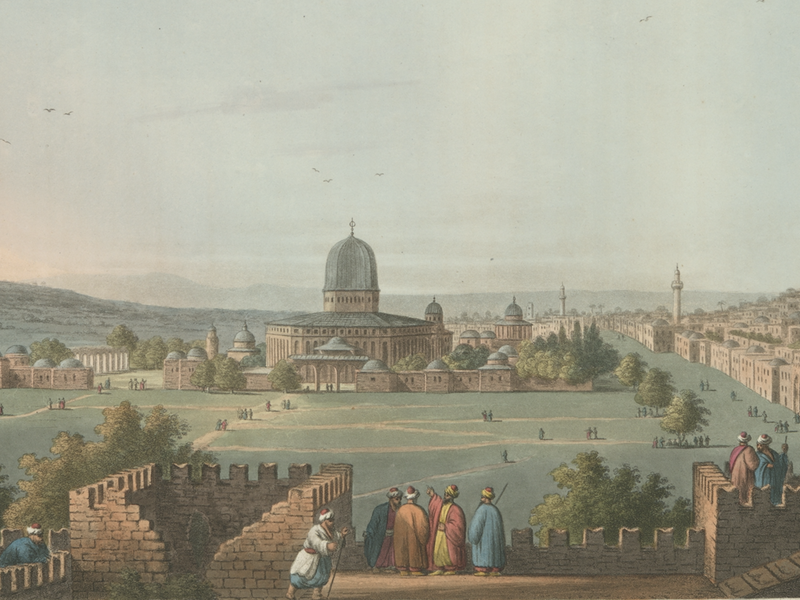
Paul writes to Jews, “You who abhor idols, do you rob temples?” (Romans 2:22b) The English translation “rob temples” makes readers think of pagan temples. There was only one Temple for Israel, so robbing more than one would indicate other temples are in view. And if the Jews wanted to…

by Mark HorneOctober 15, 2024
screenshot-2024-10-03-at-12-59-20-pm
Genesis

Regarding Abel’s Offering

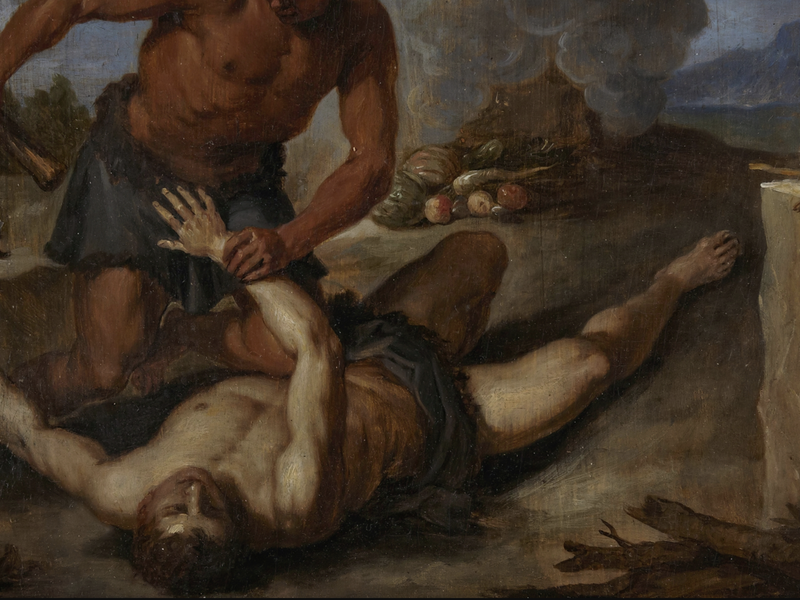
Two offerings Humanity’s first vocation involves guarding and serving the trees that emerge from the ground (Genesis 2:15). God provides these trees to humanity for food. A serpent appears and tempts the couple to eat from a special forbidden tree, the tree of the knowledge of good and evil. Humanity…

by Scott FairbanksOctober 3, 2024
jeremy-thomas-e0ahdsenmdg-unsplash
Hermeneutics

The Trinity and Cross in Creation

At the outset of the Torah (as Christians understand it), a triune God creates the heavens and earth over the course of a seven-day week. Why? What’s the connection between the three and the seven? Could a triune God have created the world over any period of time he chose?…

by James BejonOctober 1, 2024
dan-edwards-sid-lmfxsdu-unsplash
Deuteronomy

Axe Heads and Parapets: Legal Edge Cases?

How relevant to the modern reader are the flying axe head of Deuteronomy 19:5 and the roof parapet of Deuteronomy 22:8? Indeed, how relevant were they to the daily lives of Israelites thirty-five hundred years ago? Suppose that accidental falls from rooftops were exceedingly uncommon in ancient Israel, or that…

by Josh JensenSeptember 24, 2024
matt-cramblett-fbg4owazcd8-unsplash
Political Theology

The Church Builds the World

1 For most of my life, the standing of the American church as a source of national social and political order was measured by reports from the front of the so-called “culture wars.” 2 Memory brings to mind battles over feminism and the ERA, so-called gay rights, the breakdown of…

by Gary YoungSeptember 17, 2024
sixteen-miles-out-al48tflf4e8-unsplash
Matthew

That He would be called a Nazarene

But when Herod died, behold, an angel of the Lord appeared in a dream to Joseph in Egypt, saying, ‘Rise, take the child and his mother and go to the land of Israel…’ And he went and lived in a city called Nazareth, so that what was spoken by the…

by Lyndon JostSeptember 10, 2024

Showing page 17 of 309

See all
See all

Expression and content

Umberto Eco ( Limits of Interpretation ) criticizes Barthes’s notion that connotation occurs when “a sign function (Expression plus Content) becomes in turn the expression of a further content.” He argues that “in order to have a connotation, that is, a second meaning of a sign, the whole underlying first…

August 14, 2008

Fat Heart

Isaiah 6:10 says that Isaiah’s ministry will make the hearts of Israel “fat” and their ears “heavy” ( kabad ). The phrasing is unique to Isaiah 6, but the combination of heavy and fat conjures up Eli, who also was going blind. Isaiah 6 is a new Samuel, and like…

August 13, 2008
History

From Creator-creature to Subject-object

MH Abrams notes that at the heart of Romanticism was a transfer of Christian concepts into a new, subjectivist, context: “Much of what distinguishes writers I call ‘Romantic’ derives from the fact that they undertook, whatever their religious creed or lack of creed, to save traditional concepts, schemes, and values…

August 13, 2008

God-like Hirsch

Frank Lentricchia argues that there is “no unmediated historical knowledge,” and adds: “That is reserved for God, or for theorists like Hirsch who believe that objective knowledge can be acquired in a massive act of dispossessing ourselves of the only route to knowledge that we have: the historicized self. What…

August 13, 2008

Sacraments and texts

Roger Lundin notes that modern interpretation often seeks an unmediated encounter with the text, and then adds: “Both Keith Thomas and Charles Taylor trace it, in part, to the Reformation’s anti-sacramental impulses, which fed into the desacralizing of nature that seventeenth-century science and commerce eagerly promoted. The process accelerated through…

August 13, 2008

Another hermeneutical parable

For centuries, piano virtuosos had thrilled audiences with audacious performances of Liszt’s seventh Etude (in G minor, “Eroica”). Liszt scholars had written analyses of the music, and critics had compared various performances to one another and to what they believed was Liszt’s original intention for the music. An industrious Liszt…

August 13, 2008

Showing page 1482 of 2212

Browse by Category

In Medias Res

Your weekly digest for all things Theopolis.

Donate

Theopolis is nearly 100% donor-supported. Consider joining us on our mission.