Theopolis Logo

Writing

Explore our collection of theological essays, biblical studies, and reflections on faith and culture.

See all
reformation-wall
Protestantism

More Anti-Catholic Than Thou

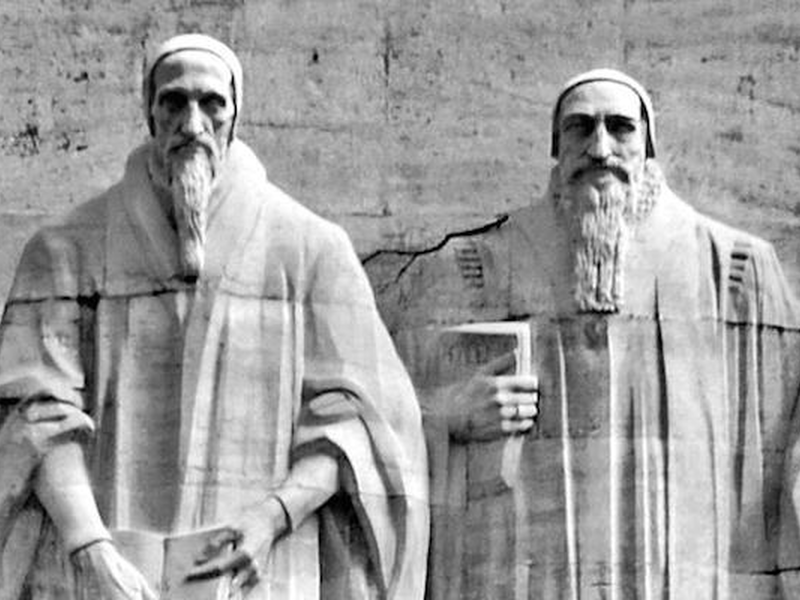
The “second Reformation” introduced Reformed liturgy and teaching into Lutheran Germany. This was seen by some as a continuation of the Reformation and a purgation of Catholic remnants. The effort to carry on “further reformation” led to disputes with Lutherans. As Bodo Nischan has put it, the hottest debate in…

by Peter LeithartMarch 28, 2017

bilbo
Literature

Bilbo: A Reformation Hero?

In J. R. R. Tolkien: Author of the Century , Tom Shippey observes that Bilbo is a member of the middle class, a bourgeois. Bilbo does not have any servants, but his hole is “the home of a member of the Victorian upper-middle class of Tolkien’s nineteenth-century youth, full of…

by Bogumil JarmulakMarch 23, 2017
cross-2
Isaiah

God In the Dock

Idolatry has deprived Israel of her senses. This was one of the early messages to Isaiah (Isaiah 6). Yahweh sent him out to a people who had been deprived of their senses because of their commitment to idols. They become like the idols they serve. They still have eyes, but…

by Peter LeithartMarch 21, 2017
jesus-baptism
Trinity

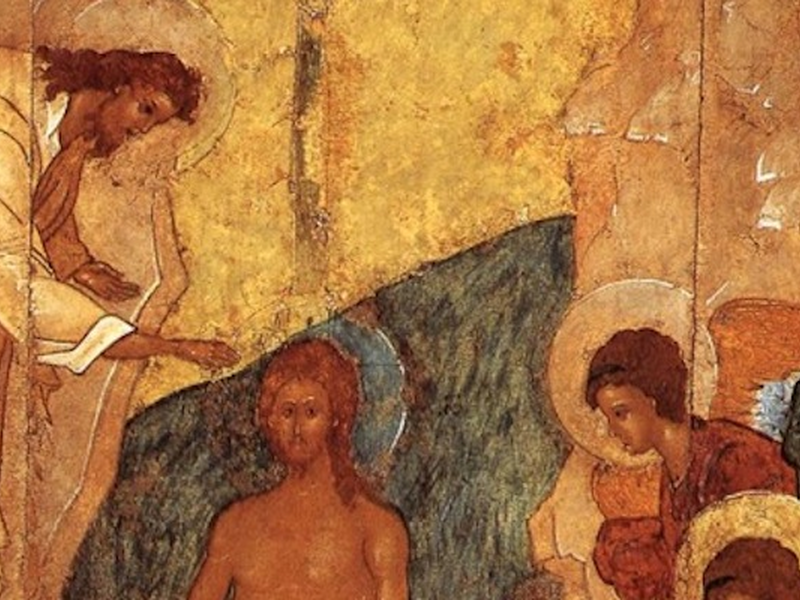
Triune Personhood

In the current climate of Trinitarian discussion concerning personhood, it's good to reach back to David Bentley Hart's treatment of the subject in his wonderful Beauty of the Infinite . Hart addresses the dangers of misreading Rahner’s rule, namely, the danger of dissolving the ontological Trinity into the economic. In…

by Peter LeithartMarch 16, 2017
e99a9259
Certificate Program

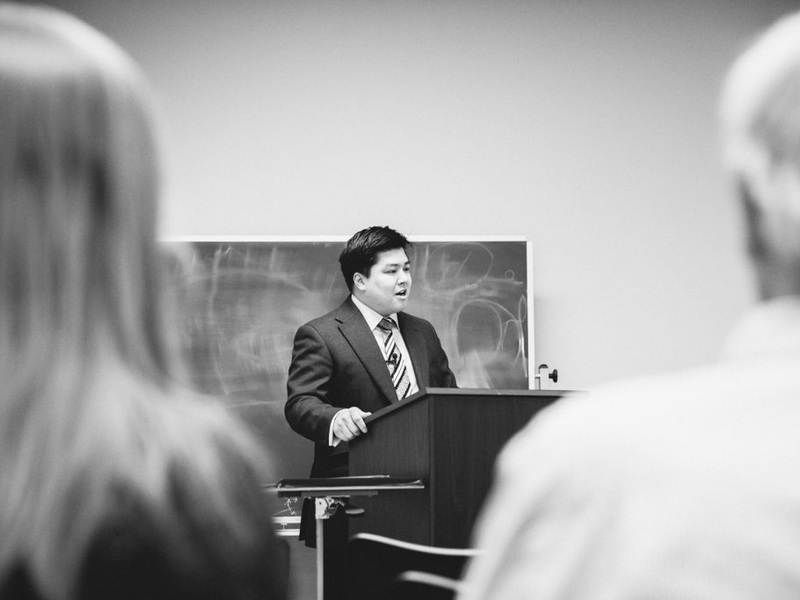
Chris Kou Completes the Certificate Program

Chris Kou is the oldest son of Chinese immigrants. Chris and his brothers run a branding and marketing business, Imagineering, in the northwest suburbs of Chicago. In his spare time, he takes online courses from Reformed Theological Seminary, and aspires to be a pastor. Chris is also one of our…

by Peter LeithartMarch 15, 2017
church-monet
Architecture

House of Living Stones

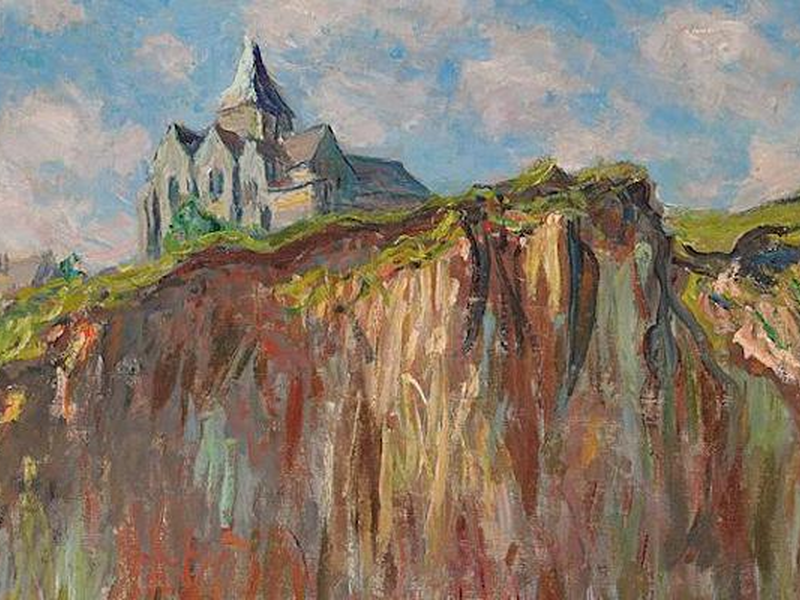
The following was delivered as the Solemn Charge and Exhortation to Theopolis students beginning the Easter term course on Architecture and Liturgical Space . As we will be reminded repeatedly throughout the week, the Bible has a lot to say about building and buildings. Long stretches of Exodus, Kings, Chronicles,…

by Peter LeithartMarch 14, 2017

Showing page 115 of 309

See all
See all

Feuerbach on the Trinity

Feuerbach wrote that the Trinity “is the secret of the necessity of the ‘thou’ for an ‘I’; it is the truth that no being - be it man, God, mind or ego - is for itself alone a true, perfect, and absolute being, that truth and perfection are only the…

July 12, 2008

Googled?

Nicholas Carr asks in the July/August issue of the Atlantic whether Google is making us stupid. He points out that the web tends to scatter attention and diffuse concentration by bringing information from various sources at us all at once. As the web comes to dominate our access to news…

July 12, 2008
Theology

Postmodern imagination

Garrett Green ( Theology, Hermeneutics, and Imagination ) thinks that Feuerbach serves up raw what the masters of suspicion - Marx, Nietzsche, and Freud - cooked and covered with sauces. The fundamental objection to religion in Feuerbach, and in his successors, is the notion that “religion is the produce of…

July 9, 2008
Philosophy

A-Time, B-Time

In his introduction, Ganssle provides a lucid description of McTaggert’s A and B series (or theories) of time: “The B-theory holds that the most important thing about locating events in time is their relation to other events. So something happens before, after or at the same time as something else.…

July 9, 2008
Theology

God and Time

I’ve just begun to look at Gregory Ganssle’s God and Time , but the index worries. In a book about time, there are no entries for “calendar” or “clock.” More worrying, there are only four dispersed references to the Trinity.

July 9, 2008

Direct, Indirect, and Trinity

Richard Swinburne describes God’s omnipresence in these terms: “God is supposed to be able to move any part of the universe directly; he does not need to use one part of the universe to make another part move. He can make any part move as a basic action . .…

July 9, 2008

Showing page 1494 of 2212

Browse by Category

In Medias Res

Your weekly digest for all things Theopolis.

Donate

Theopolis is nearly 100% donor-supported. Consider joining us on our mission.