Theopolis Logo

Writing

Explore our collection of theological essays, biblical studies, and reflections on faith and culture.

See all
isaiah-commission
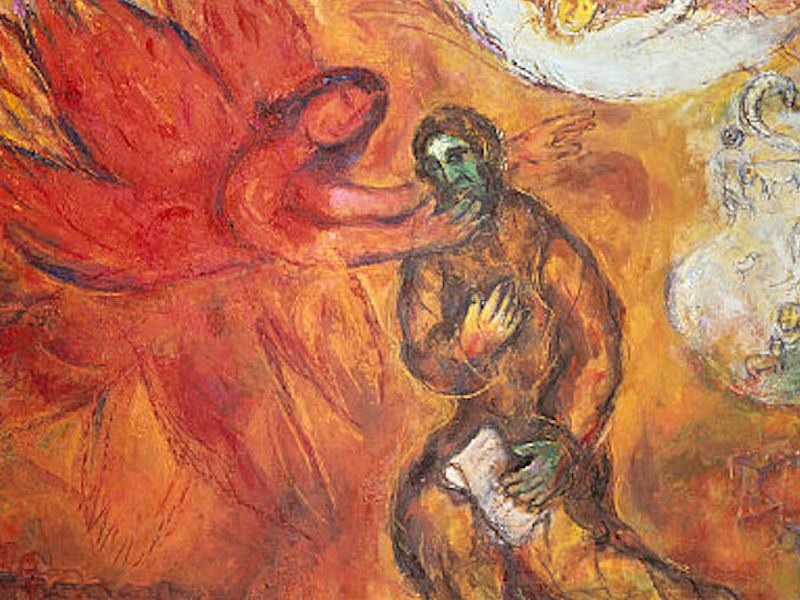
Isaiah

To An Unclean People

The book of Isaiah has a very brief introduction, one verse, and then plunges into a searing indictment of the people of Judah and Jerusalem. They are sons who do not honor their father, worse than donkeys and oxen who at least know their master. They are a bruised and…

by Peter LeithartSeptember 1, 2015

sixteen-miles-out-al48tflf4e8-unsplash
Biblical Studies

Apologia on Reading the Bible, (Part 3)

This is the third of a three-part essay. The Literary Reader As a conclusion to this essay, I want to make some observations that grow out of C. S. Lewis’s remarkable Experiment in Criticism , mentioned in an earlier installment. What Lewis is interested in doing is coming up with…

by James B. JordanAugust 27, 2015
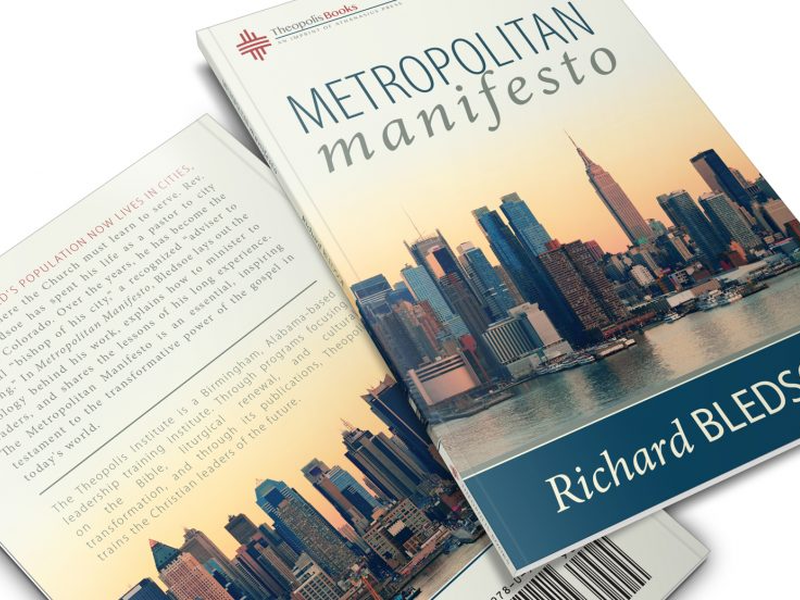
metropolitanmanifesto-3dfrontback-promo-3
Theopolis News

Metropolitan Manifesto: Available Now!

Metropolitan Manifesto, the new work from Theopolis fellow Richard Bledsoe, and first "Theopolis Books" release, is out today! Head over to the Athanasius Press website to get a copy. Half the world's population now lives in cities, and that is where the Church must learn to serve. Rev. Richard Bledsoe…

by Brian MoatsAugust 25, 2015
medievalilluminatedmanuscript
Biblical Studies

Apologia on Reading the Bible, (Part 2)

This is the second portion of a three-part essay. Learning to Read Learning to read the Bible is easier said than done, of course. There are several reasons for this, and they all have to do with the art of reading. Reading is an art and not a science, and…

by James B. JordanAugust 25, 2015
img_1069
Theopolis News

Mission to the City

“It instilled a real and abiding change in the way I understand my life as a disciple of Jesus Christ,” said Clint Hail, a Community Development Coordinator out of Dallas who attended Theopolis’ course on Mission to the City . “The course renovated the way I understand the challenges facing,…

by Brian MoatsAugust 21, 2015
hebrew-manuscript
Hermeneutics

Apologia on Reading the Bible, (Part 1)

What does it mean to read the Bible as inspired literature? The method is not new nor is it uncommon in Dutch Reformed circles. Exegesis must be Christocentric, plenary (all the text serves a theological purpose), respect the context in God’s redemptive plan, and plumb the full literary depth of…

by James B. JordanAugust 20, 2015

Showing page 145 of 309

See all
See all

Feuerbach on the Trinity

Feuerbach wrote that the Trinity “is the secret of the necessity of the ‘thou’ for an ‘I’; it is the truth that no being - be it man, God, mind or ego - is for itself alone a true, perfect, and absolute being, that truth and perfection are only the…

July 12, 2008

Googled?

Nicholas Carr asks in the July/August issue of the Atlantic whether Google is making us stupid. He points out that the web tends to scatter attention and diffuse concentration by bringing information from various sources at us all at once. As the web comes to dominate our access to news…

July 12, 2008
Theology

Postmodern imagination

Garrett Green ( Theology, Hermeneutics, and Imagination ) thinks that Feuerbach serves up raw what the masters of suspicion - Marx, Nietzsche, and Freud - cooked and covered with sauces. The fundamental objection to religion in Feuerbach, and in his successors, is the notion that “religion is the produce of…

July 9, 2008
Philosophy

A-Time, B-Time

In his introduction, Ganssle provides a lucid description of McTaggert’s A and B series (or theories) of time: “The B-theory holds that the most important thing about locating events in time is their relation to other events. So something happens before, after or at the same time as something else.…

July 9, 2008
Theology

God and Time

I’ve just begun to look at Gregory Ganssle’s God and Time , but the index worries. In a book about time, there are no entries for “calendar” or “clock.” More worrying, there are only four dispersed references to the Trinity.

July 9, 2008

Direct, Indirect, and Trinity

Richard Swinburne describes God’s omnipresence in these terms: “God is supposed to be able to move any part of the universe directly; he does not need to use one part of the universe to make another part move. He can make any part move as a basic action . .…

July 9, 2008

Showing page 1494 of 2212

Browse by Category

In Medias Res

Your weekly digest for all things Theopolis.

Donate

Theopolis is nearly 100% donor-supported. Consider joining us on our mission.