Theopolis Logo

Writing

Explore our collection of theological essays, biblical studies, and reflections on faith and culture.

See all
little-girl
Children

Honor God With Your Body

I am making a new rule in our house! We are actually kind of skimpy on the house rules. I try very hard to keep things simple: love God, love others, be joyful. It’s not complicated to avoid discipline here. But I have found myself repeating this new rule over…

by Lindsey TollefsonApril 9, 2015

giotto-noli-me-3
John

The Gardener and the Beloved, (Part 3)

Click HERE for Part 2 The voice of Jesus transforms and changes Mary when she hears him speak her name. This is her last “turning.” So also the woman in the Song of Songs longs to hear the voice of her beloved. Let me see your face, let me hear…

by Jeff MeyersApril 6, 2015
giotto-noli-me-2
John

The Gardener and the Beloved, (Part 2)

Click HERE for Part 1. The details of this story call the attentive reader back to the drama of Solomon’s Song of Songs. And the Song of Song’s alludes to, ties us into the story of Adam and Eve in the Garden and the promise of a coming Messiah that…

by Jeff MeyersApril 4, 2015
easter-term-2015-2
Theopolis News

Easter Term, 2015

“The course was a paradigm shift for me,” said Jonathan Sedlak, a Milwaukee electrical contractor who attended Theopolis’s course on Revelation. “I am left with a book that is far more practical than it has ever seemed before.” Jonathan Anderson of Louisville, Kentucky found the course “refreshing.” “I finished with…

by TheopolisApril 2, 2015
psalm-singing
Genesis

Worship as Response: Liturgical Logic, (Part 1)

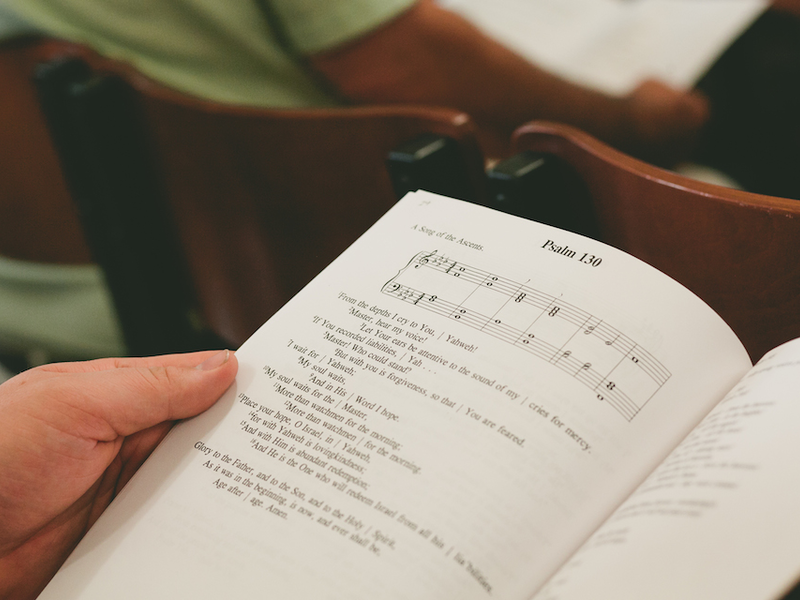
“It is only by participation in a rational, practice-based community that one becomes rational.” – Alasdair MacIntyre It may be perfectly clear to a chef why adding unsifted powdered sugar to a hot frosting is a bad idea. But for an amateur cook, this may be the kind of rule…

by Jonathan BarlowApril 2, 2015
giotto-noli-me
John

The Gardener and the Beloved, (Part 1)

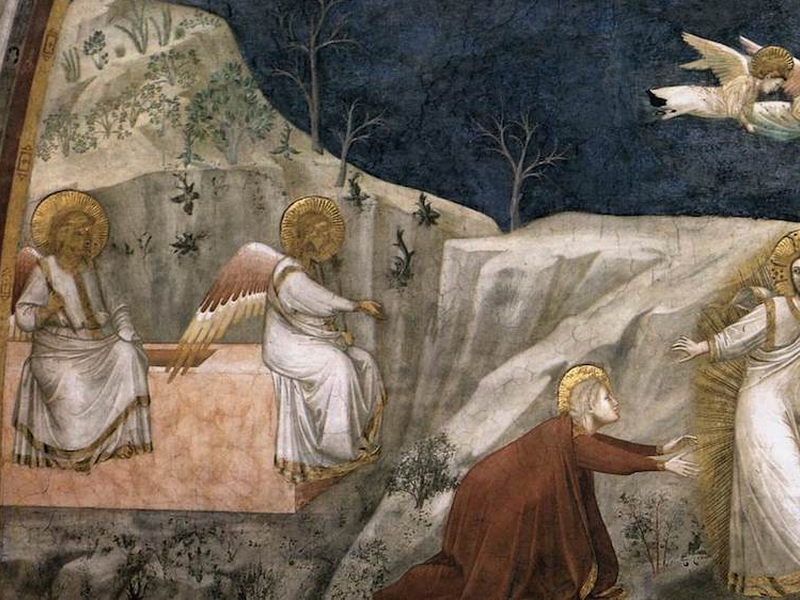
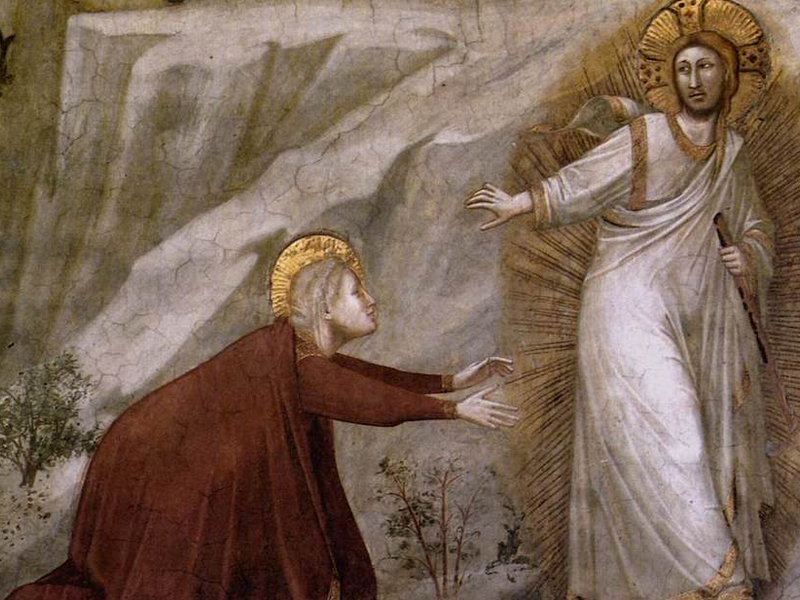
On a fresco in a chapel in Padua, Italy, there is a famous painting depicting the dramatic post-resurrection scene in John 20 with Mary and Jesus outside of the garden tomb. Giotto di Bondone painted it in the early 14th century. Jesus is striding from the tomb with a victor’s…

by Jeff MeyersApril 1, 2015

Showing page 156 of 309

See all
See all
Literature

Conrad and empire

William Deresiewicz has an excellent review of a new biography of Joseph Conrad in the June 11 issue of TNR . One thread of the review has to do with Conrad’s phantasmagorical vision of European imperialism and his related concern for the moral dangers of isolation from well-known social habits…

June 5, 2008

Meaning and Significance

In an effort to maintain his distinction of meaning and significance, interpretation and critical assessment, E. D. Hirsch examines Welleck’s treatment of Marvell’s phrase “vegetable love.” He notes that “Welleck could not even make his point unless he could distinguish between what ‘vegetable’ probably means as used in the text…

June 4, 2008

Saussure and semantics

Tallis yet again: He argues that confusion of langue and parole : leads to “conflation of the idea of a world as a value or set of values within the system with the meaning of a word used on a particular occasion, that by virtue of which verbal meaning is…

June 4, 2008

Differance and words

Tallis thinks that one of the basic confusions of post-Saussurean criticism is a confusion of the levels of parole and langue . Signifiers and signifieds are, for Saussure, purely differential; but words are not signifiers or signifieds, but types of signs, which are combinations of the two. Signifier and signified…

June 4, 2008

Language and reality

Does language take cues from reality? Tallis says Yes; at least, that’s one kind of relation language has to reality. His charming evidence: He notes that it’s more common to add “barking” to “dog” than to add other verbs. If language doesn’t take its cues from reality, “we must surely…

June 4, 2008

Spatial and Linguistic “Edges”

Tallis contests the post-structuralist notion that all distinctions are linguistic, imported to reality by what we say about them. This, he thinks, oversimplifies a more complex situation. For some realities, the “edges” are determined by language, because those realities depend on classifications that we have brought to the real world.…

June 4, 2008

Showing page 1508 of 2212

Browse by Category

In Medias Res

Your weekly digest for all things Theopolis.

Donate

Theopolis is nearly 100% donor-supported. Consider joining us on our mission.