Theopolis Logo

Writing

Explore our collection of theological essays, biblical studies, and reflections on faith and culture.

See all
paul-2
Romans

Notes on Scary Stuff in Romans 9

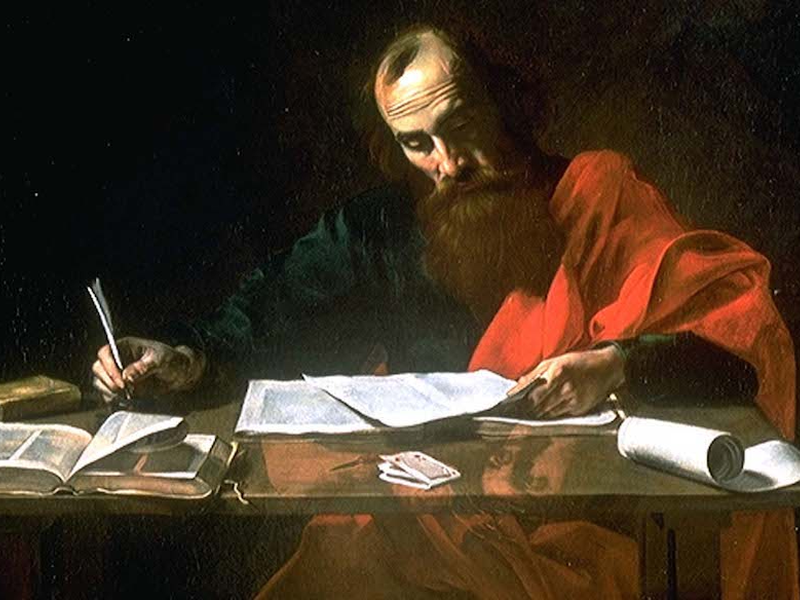
What shall we say then? Is there injustice on God’s part? By no means! For he says to Moses, “I will have mercy on whom I have mercy, and I will have compassion on whom I have compassion.” So then it depends not on human will or exertion, but on…

by Mark HorneFebruary 5, 2015
lunch-counter
American Politics

Covenants of Exclusion

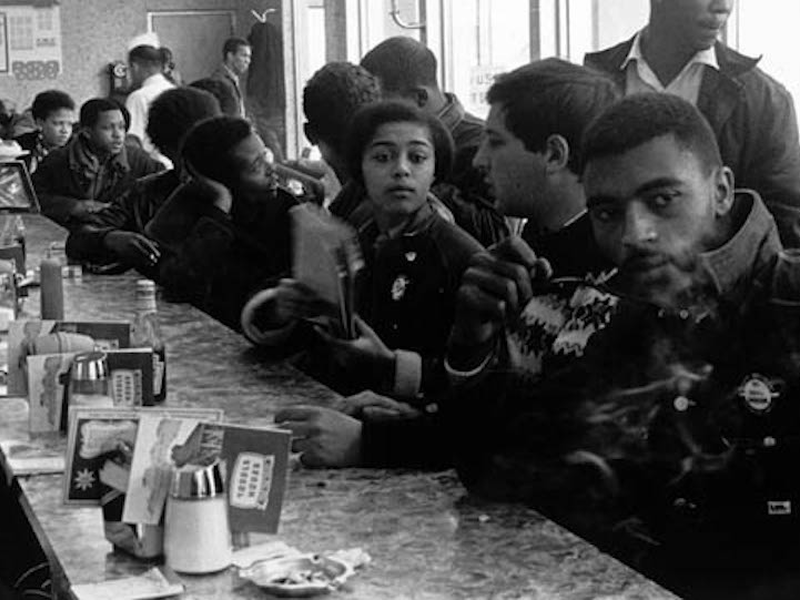
A hundred years ago, William Warley signed a contract to buy a house in Louisville, Kentucky from Charles Buchanan, a white man. Before closing the sale, Warley, who was black, learned that the lot was subject to a city ordinance barring blacks from occupying the premises if most of the…

by Brendan O'DonnellFebruary 3, 2015
shakespeare-2
Literature

The Bard and the Book

I concluded the first essay on this topic by saying that I would introduce three books about Shakespeare and the Bible, but I decided to introduce four instead. The three books become four are: Naseeb Shaheen, Biblical References in Shakespeare’s Plays (London: Associated University Presses, 1999) ; Hannibal Hamlin, The…

by Ralph Allan SmithJanuary 29, 2015
augustine-2
Augustine

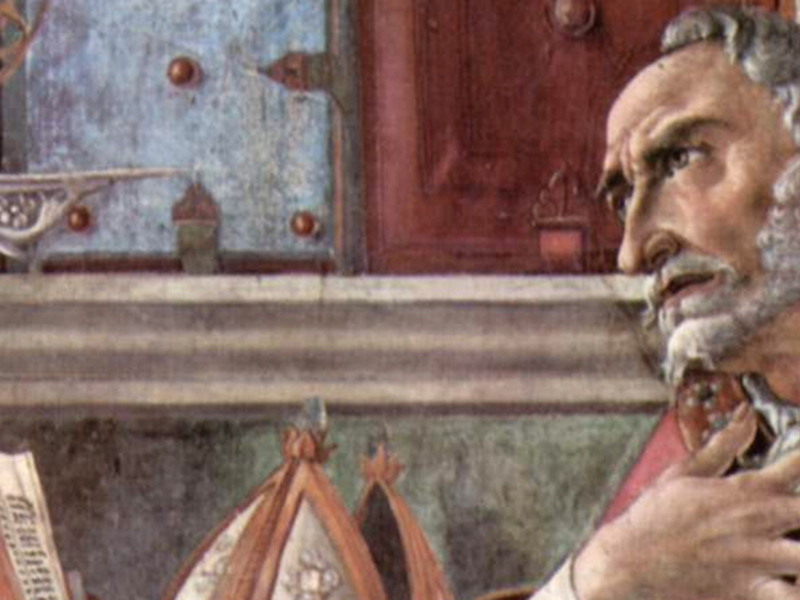
Augustine on Pagan Virtue

My children attend a classical Christian school, situated in the independent “free church” evangelical tradition. Over the past few years they have been growing in their acquaintance with the world of Homer, Plato, Virgil, and Livy. They enjoy it, and I envy it. The school is a great school. My…

by Gerald HiestandJanuary 27, 2015
prodigal-son
Atonement

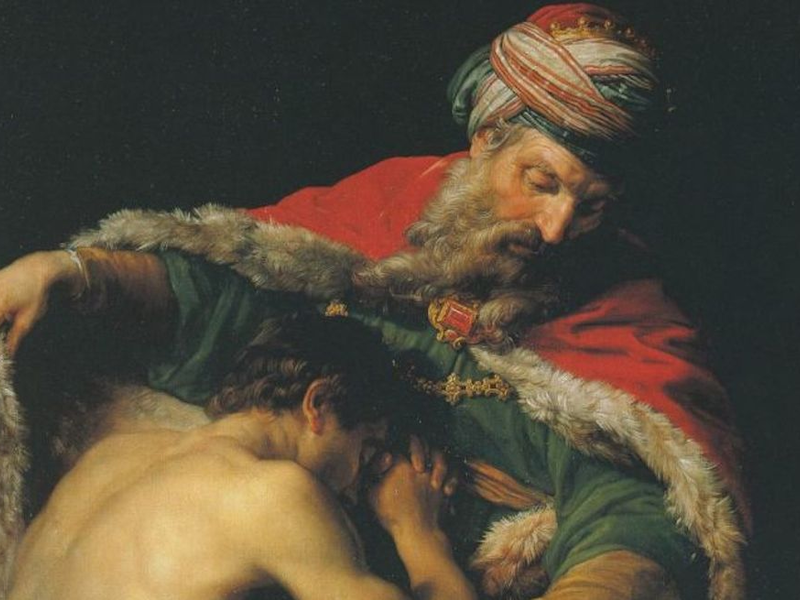
The Prodigal and the Cross

The Prodigal Son parable (Luke 15) has been a favorite of liberal theologians for a couple of centuries. It seems to be a parable designed for liberal sensibilities: An indulgent, accepting Father; forgiveness extended without a cross; a surly older brother who might represent the "conservative" face of religion who…

by Peter LeithartJanuary 22, 2015
sky-from-bridge
Ascension

Underground Man, Ascended Man

“I want now to tell you, gentlemen, whether you care to hear it or not, why I could not even become an insect. I tell you solemnly, that I have many times tried to become an insect. But I was not equal even to that. I swear, gentlemen, that to…

by Richard BledsoeJanuary 20, 2015

Showing page 161 of 309

See all
See all
Literature

Austen and Islam

Dale Dykema of Covenant Home Curriculum writes: “I have just finished reading Infidel by Ayaan Hirsi Ali, a Somali Moslem woman converted to Dutch Humanism. Her efforts to expose the violence of Islam, especially its oppression of women is noteworthy. Of particular interest to me was how this woman discovered…

April 23, 2008
Politics

Liberal state

The liberal state is a free state, but it’s clear from Spinoza that freedom in a liberal state is limited to unlimited freedom of thought and speech. Action is controlled by the state, including religious action: “God has no special kingdom among men except in so far as He reigns…

April 23, 2008
History

Anabaptist modernity

The genealogy is pretty clear: Pietist-leaning Collegiants, with affinities to the Anabaptists of the sixteenth century, influence the theological and political view of Spinoza, leading him to write a treatise where he defends two central Anabaptist/Pietist clams: a) he attacks the tyranny of the letter and b) he argues for…

April 23, 2008
History

After Church

Another from Hatzfeld: “The Saturday after the [President’s] plan crash was the usual choir rehearsal day at the church in Kibungo. We sang hymns in good feeling with our Tutsi compatriots, our voices still blending in chorus. On Sunday morning we returned at the appointed hour for mass; they did…

April 22, 2008
History

African Scapegoating

In his harrowing book on the Rwandan killers of 1994, Jean Hatzfeld quotes one young man: “Suddenly Hutus of every kind were patriotic brothers without any partisan discord. We were through playing around with political words. We were no longer in our each-to-his-won mood. We were doing a job to…

April 22, 2008
History

Exporting Racism

According to Emmanuel Kolini and Peter Holmes ( Christ Walks Where Evil Reigned ), the Hutus and Tutsis of Rwanda were originally ethnically indistinguishable. Prior to colonialization, the difference was “vocational,” social and economic. Tutsis were cattle herders, Hutus farmers; Tutsis were Abel, Hutus Cain. When the Belgians took over,…

April 22, 2008

Showing page 1529 of 2212

Browse by Category

In Medias Res

Your weekly digest for all things Theopolis.

Donate

Theopolis is nearly 100% donor-supported. Consider joining us on our mission.