Theopolis Logo

Writing

Explore our collection of theological essays, biblical studies, and reflections on faith and culture.

See all
trnava-university-beeyeib-am8-unsplash
Biblical Chronology

Meredith G. Kline Strikes Back, Part 2

In our first essay we looked at Kline’s flawed exegesis of Genesis 2:5 as it relates to Day 3 of creation. Now we turn to Kline’s new argument against a chronological reading of Genesis 1, as found, again, in "Space and Time in the Genesis Cosmogony," Perspectives on Science and…

by James B. JordanMarch 29, 1997
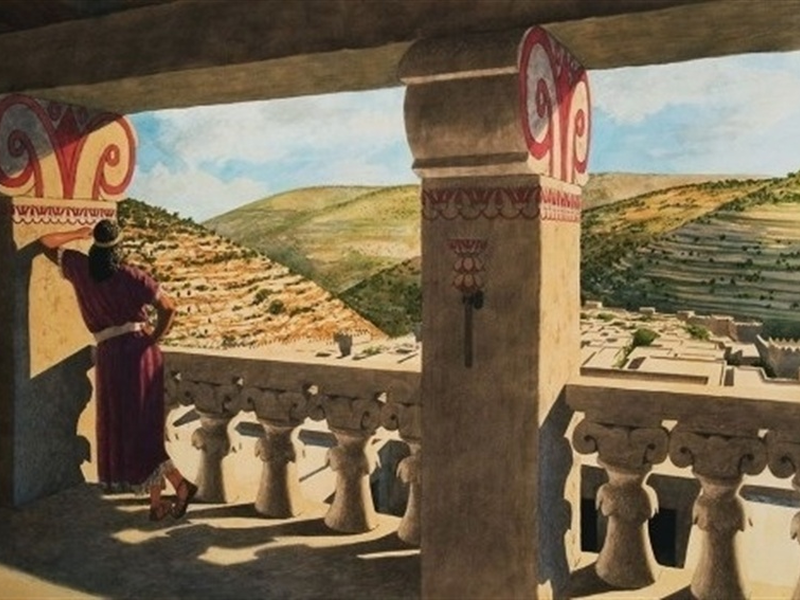
30211-bathsheba-800w-tn
Hermeneutics

Bathsheba: The Real Story

One of the advantages of paying very close attention to the details in the Bible, especially chronological and genealogical details, is that they can shed light on situations that don’t seem to make much sense apart from them. One such situation is that of Bathsheba. It appears that Bathsheba willingly…

by James B. JordanMarch 28, 1997
jonathan-cooper-ygxq7hfdjzq-unsplash
Church Calendar

Is the Church Year Biblical? | A Parking Lot Parable

Once upon a time, Jeff Meyers and Tony Rollins–old friends who had not seen each other for a few years–met in the parking lot of a neighborhood church. They were dropping off their pre-school children at the church for Mother’s Day Out. They were such conscientious and helpful fathers. As…

by Jeff MeyersMarch 20, 1997
annie-spratt-upxf6to3fea-unsplash
Daniel

The Allegory of Susanna

Years ago, when I was at the briefly-existing Geneva Divinity School, I taught a course in the Apocrypha. One thing that struck me at that time is that two of the stories are almost certainly religious allegories (as well as moral tales): Judith and Susanna. Since "Susanna" means "Lily," this…

by James B. JordanFebruary 28, 1997
serafima-lazarenko-_ivuwprfczi-unsplash
Biblical Horizons

A Blossom of Yahweh’s Field

Peter’s essay inspires me to write up some similar thoughts about the flower of the field. Rightly does Peter associate the almond with Yahweh’s garden, because the Garden of Eden is symbolically positioned as parallel to the Holy Place of the Tabernacle and Temple. To wit: Since Aaron’s rod blossomed…

by James B. JordanFebruary 28, 1997
trnava-university-beeyeib-am8-unsplash
Biblical Chronology

Meredith G. Kline Strikes Back, Part 1

We have had occasion to discuss the views of Meredith G. Kline previously in these newsletters, and now it is time to do so again. Kline teaches at Gordon-Conwell Theological Seminary and also at the Westminster Theological Seminaries (Philadelphia and San Diego). He is the author of some interesting insights…

by James B. JordanFebruary 28, 1997

Showing page 259 of 309

See all
See all
Literature

Austen and Islam

Dale Dykema of Covenant Home Curriculum writes: “I have just finished reading Infidel by Ayaan Hirsi Ali, a Somali Moslem woman converted to Dutch Humanism. Her efforts to expose the violence of Islam, especially its oppression of women is noteworthy. Of particular interest to me was how this woman discovered…

April 23, 2008
Politics

Liberal state

The liberal state is a free state, but it’s clear from Spinoza that freedom in a liberal state is limited to unlimited freedom of thought and speech. Action is controlled by the state, including religious action: “God has no special kingdom among men except in so far as He reigns…

April 23, 2008
History

Anabaptist modernity

The genealogy is pretty clear: Pietist-leaning Collegiants, with affinities to the Anabaptists of the sixteenth century, influence the theological and political view of Spinoza, leading him to write a treatise where he defends two central Anabaptist/Pietist clams: a) he attacks the tyranny of the letter and b) he argues for…

April 23, 2008
History

After Church

Another from Hatzfeld: “The Saturday after the [President’s] plan crash was the usual choir rehearsal day at the church in Kibungo. We sang hymns in good feeling with our Tutsi compatriots, our voices still blending in chorus. On Sunday morning we returned at the appointed hour for mass; they did…

April 22, 2008
History

African Scapegoating

In his harrowing book on the Rwandan killers of 1994, Jean Hatzfeld quotes one young man: “Suddenly Hutus of every kind were patriotic brothers without any partisan discord. We were through playing around with political words. We were no longer in our each-to-his-won mood. We were doing a job to…

April 22, 2008
History

Exporting Racism

According to Emmanuel Kolini and Peter Holmes ( Christ Walks Where Evil Reigned ), the Hutus and Tutsis of Rwanda were originally ethnically indistinguishable. Prior to colonialization, the difference was “vocational,” social and economic. Tutsis were cattle herders, Hutus farmers; Tutsis were Abel, Hutus Cain. When the Belgians took over,…

April 22, 2008

Showing page 1529 of 2212

Browse by Category

In Medias Res

Your weekly digest for all things Theopolis.

Donate

Theopolis is nearly 100% donor-supported. Consider joining us on our mission.