Theopolis Logo

Writing

Explore our collection of theological essays, biblical studies, and reflections on faith and culture.

See all
isaiah-commission
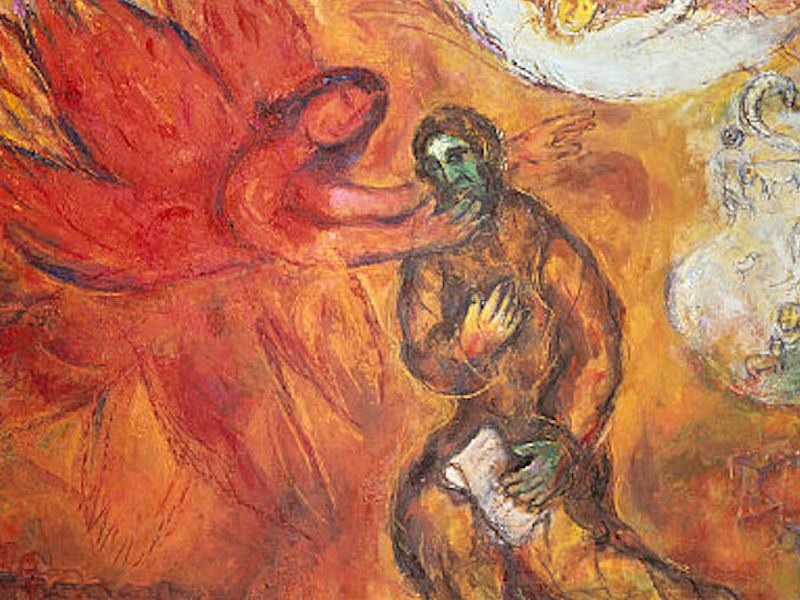
Isaiah

To An Unclean People

The book of Isaiah has a very brief introduction, one verse, and then plunges into a searing indictment of the people of Judah and Jerusalem. They are sons who do not honor their father, worse than donkeys and oxen who at least know their master. They are a bruised and…

by Peter LeithartSeptember 1, 2015

sixteen-miles-out-al48tflf4e8-unsplash
Biblical Studies

Apologia on Reading the Bible, (Part 3)

This is the third of a three-part essay. The Literary Reader As a conclusion to this essay, I want to make some observations that grow out of C. S. Lewis’s remarkable Experiment in Criticism , mentioned in an earlier installment. What Lewis is interested in doing is coming up with…

by James B. JordanAugust 27, 2015
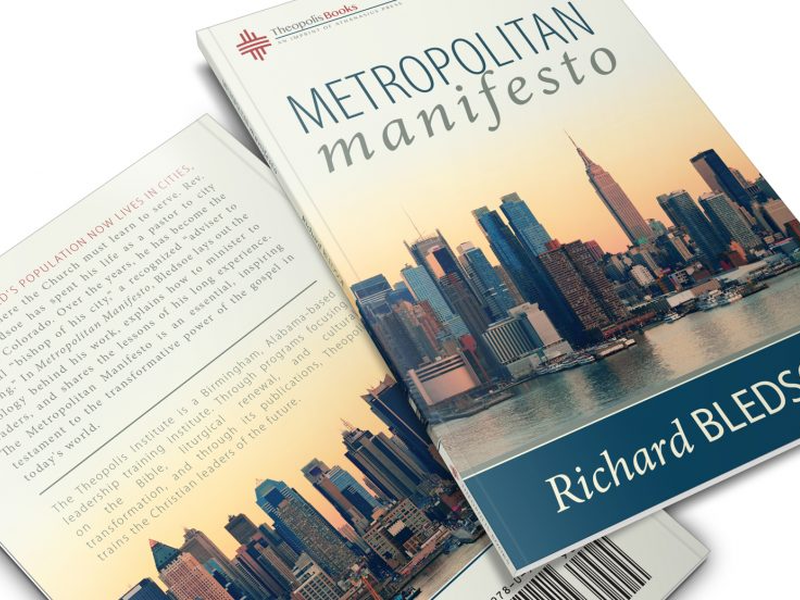
metropolitanmanifesto-3dfrontback-promo-3
Theopolis News

Metropolitan Manifesto: Available Now!

Metropolitan Manifesto, the new work from Theopolis fellow Richard Bledsoe, and first "Theopolis Books" release, is out today! Head over to the Athanasius Press website to get a copy. Half the world's population now lives in cities, and that is where the Church must learn to serve. Rev. Richard Bledsoe…

by Brian MoatsAugust 25, 2015
medievalilluminatedmanuscript
Biblical Studies

Apologia on Reading the Bible, (Part 2)

This is the second portion of a three-part essay. Learning to Read Learning to read the Bible is easier said than done, of course. There are several reasons for this, and they all have to do with the art of reading. Reading is an art and not a science, and…

by James B. JordanAugust 25, 2015
img_1069
Theopolis News

Mission to the City

“It instilled a real and abiding change in the way I understand my life as a disciple of Jesus Christ,” said Clint Hail, a Community Development Coordinator out of Dallas who attended Theopolis’ course on Mission to the City . “The course renovated the way I understand the challenges facing,…

by Brian MoatsAugust 21, 2015
hebrew-manuscript
Hermeneutics

Apologia on Reading the Bible, (Part 1)

What does it mean to read the Bible as inspired literature? The method is not new nor is it uncommon in Dutch Reformed circles. Exegesis must be Christocentric, plenary (all the text serves a theological purpose), respect the context in God’s redemptive plan, and plumb the full literary depth of…

by James B. JordanAugust 20, 2015

Showing page 145 of 309

See all
See all

Arbitrary Signs

A couple of weeks ago, I mused on whether Saussure would have agreed with Barr’s rejection of the idea that different mentalities are built into different languages. In his superb book on Saussure, Jonathan Culler provides further evidence that Saussure would not agree with Barr. Culler’s argument, to put it…

April 9, 2008

Person and essence

Gilles Emery writes concerning Thomas’s view of essence and person in the Trinity, defending Thomas against Rahnerian-style charges: “There is . . . not ‘derivation’ of persons from an essential act in Thomas. This observation clarifies anew the structure of the treatise on God: the distinction of the two sections…

April 8, 2008

Greatest good

Bonaventure wrote: “Behold, therefore, and observe that the highest good is unqualifiedly that than which no greater can be thought. And this good is such that it cannot rightly be thought of as non-existing, since to exist is absolutely better than not to exist.” So far, so Anselmian. Then Bonaventure…

April 8, 2008

Branch and Stone

The “seven-eyed” stone in Zechariah 3:9 has been variously interpreted - for example, as the crown on the head of the high priest Joshua (the seven eyes being the letters engraved on the crown), as the kingdom of God, as a stone with seven “springs” (in Hebrew, the same word…

April 8, 2008
History

Holy City

Babylon was considered a holy city in the ancient world, its kings consecrated by power given by Marduk. This is the reason the Persians destroyed the temple of Esagila and deported the statue of Marduk to Persia (or, by some accounts, melted it down) when the Babylonians revolted against Persian…

April 7, 2008

Protestantism and the Postmodern Self

Postmodernism has, we are told, “decentered” the modern self, that unified, sovereign, isolated, godlike “thinking thing” discovered by Rene Descartes. The postmodern self is not single but multiple; not sovereign but controlled by external forces; not isolated but “embedded” in the world and in relation; not godlike, but human, all…

April 7, 2008

Showing page 1537 of 2212

Browse by Category

In Medias Res

Your weekly digest for all things Theopolis.

Donate

Theopolis is nearly 100% donor-supported. Consider joining us on our mission.