Theopolis Logo

Writing

Explore our collection of theological essays, biblical studies, and reflections on faith and culture.

See all
cain-killing-abel-unknown-19th-century
Biblical Horizons

The Servant of the Ground

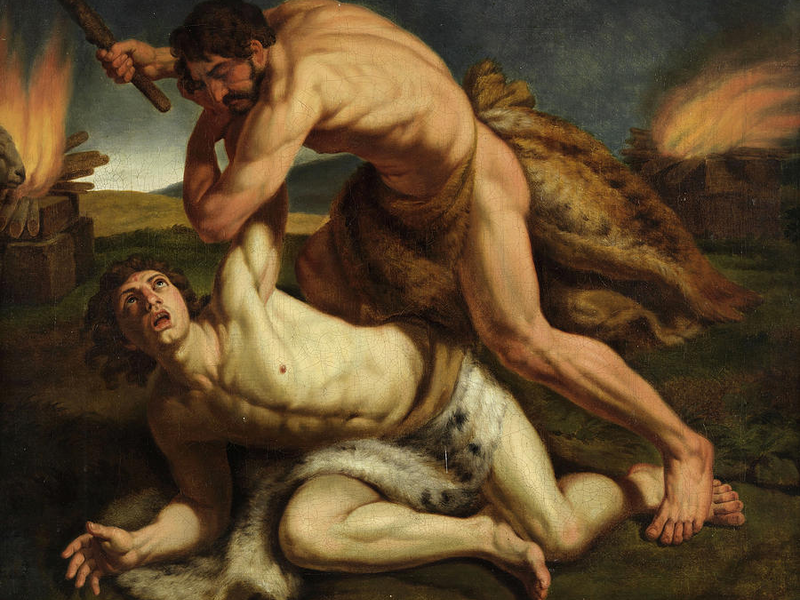
Why was Abel’s offering approved and Cain’s rejected? This question has been debated for many centuries. Some have argued that Cain’s offering was rejected because it was not a bloody offering; others that Cain’s offering was rejected because it was not from the firstfruits; others that Cain’s offering was rejected…

by Peter LeithartSeptember 19, 1990

timothy-eberly-djj49s6ud2o-unsplash
Luke

The Unjust Steward Revisited

Last year I had occasion to work through the book of Luke as I did some work for one of my editorial clients, and this year my pastor has been preaching through Luke. Thus, I have twice been reminded of the Parable of the Unjust Steward (Luke 16:1-13), a parable…

by James B. JordanSeptember 2, 1990
alfons-morales-ylswjsy7stw-unsplash-1
Biblical Chronology

The Mysterious Numbers of Edwin R. Thiele

We come now to what some have called the "Gordian Knot" of Biblical chronology: the period of the kings of Israel and Judah. We do not have a summary figure that tells exactly how long this period of time was. The book of Kings provides the years each king reigned,…

by James B. JordanSeptember 2, 1990
screen-shot-2022-02-22-at-11-59-32-am
Matthew

Additional Reflections on the Dew of Hermon

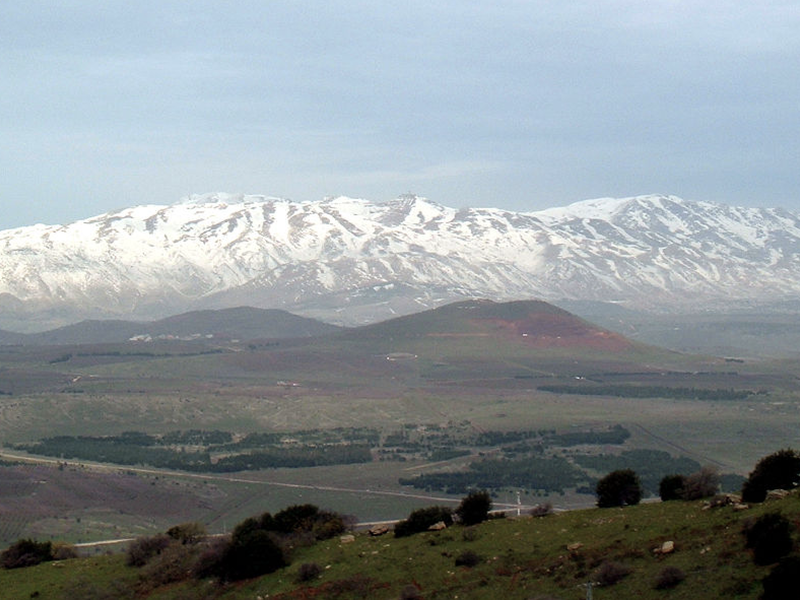
In an earlier article , while examining the biblical symbolism of dew, I noted the parallel in Psalm 133 between the dew upon Mount Hermon and the oil poured upon the head of Aaron. Both the dew of Hermon and the oil of ordination are compared to the pleasantness of…

by Peter LeithartAugust 19, 1990
screen-shot-2021-07-15-at-9-01-42-am
Biblical Horizons

Cornelius van der Waal, "The Covenantal Gospel"

The Covenantal Gospel was the last book written by the remarkable South African theologian and exegete Cornelius van der Waal. Two other works of van der Waal’s have been translated: Hal Lindsey and Biblical Prophecy , and Search the Scriptures . Because this book was written in 1979, it does…

by James B. JordanAugust 2, 1990
biljana-martinic-igj_21drt3g-unsplash
Beer

The Evangelical Cocaine Lobby

A year or so ago, my wife and I were invited to a Christian school in order to preview a film on drug abuse that was going to be shown to our children. One of the children in this film turned out, of course, to be using drugs. This child’s…

by James B. JordanAugust 2, 1990

Showing page 302 of 309

See all
See all

Incarnation and Eschatology

Barth insists, rightly, that the incarnation doesn’t express any “need” or lack on God’s part, but is rather His free gracious response to the “radical neediness of the world.” Taking on that neediness also means taking up our cause. He comes to maintain and carry through humanity’s cause to victory.…

April 4, 2008

Self-righteousness

Protestants often claim that our sinfulness is manifest in our efforts to earn God’s favor by our works. That is true, but it doesn’t quite get at the most grievous root of sin. Barth is more penetrating in saying that our sinfulness is manifest in our efforts to usurp God’s…

April 4, 2008
Economics

Markets and people

Charles Morris (in The Trillion Dollar Meltdown ) says that one of the dangerous trends emerging in the 80s and 90s, and lurking behind the current financial crisis, is the “increased dominance of investment decisions by mathematical constructs.” He admits that “Large securities portfolios usually do behave more or less…

April 3, 2008

Translation woes

Jesus spits on the ground, makes clay of the spittle, and “applies” the clay to the eyes of a blind man (John 9; NASB). The verb behind “apply” is epichrio . Its only other usage in the NT is five verses later, where the NASB translates the very same form…

April 3, 2008

John the linguist

John is aware of linguistic diversity, translating unusual Hebrew terms into Greek (e.g., “Messiah” into “Christ,” 1:42). This is perhaps for the convenience of Greek readers, but there is likely also a theological reason: John proclaims the incarnate Word, and describes the work and words of that Word with words…

April 3, 2008

Hebrew Latin Greek

John tells us that the inscription “Jesus the Nazarene, the King of the Jews” was placed above his head on the cross in Hebrew, Latin, and Greek (19:19-20). But this is just the culmination of a text that, though written in Greek, contains a number of cross-linguistic terms. Twice in…

April 3, 2008

Showing page 1540 of 2212

Browse by Category

In Medias Res

Your weekly digest for all things Theopolis.

Donate

Theopolis is nearly 100% donor-supported. Consider joining us on our mission.