Theopolis Logo

Writing

Explore our collection of theological essays, biblical studies, and reflections on faith and culture.

See all
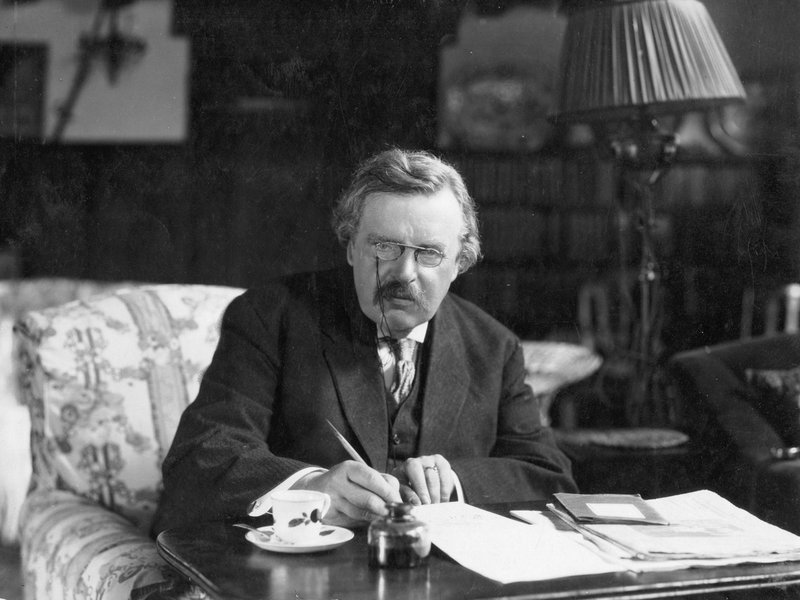
g-_k-_chesterton_at_work
Books

Interpreting "The Man Who Was Thursday"

I just finished re-reading G. K. Chesterton’s The Man Who Was Thursday . I have in the past had the temerity to say that I believe it to be the best novel of the 20th century. Be that as it may, I still maintain that it is at least one…

by Richard BledsoeJanuary 7, 2022
10779-istockgetty-images-plusredletterw
Hebrews

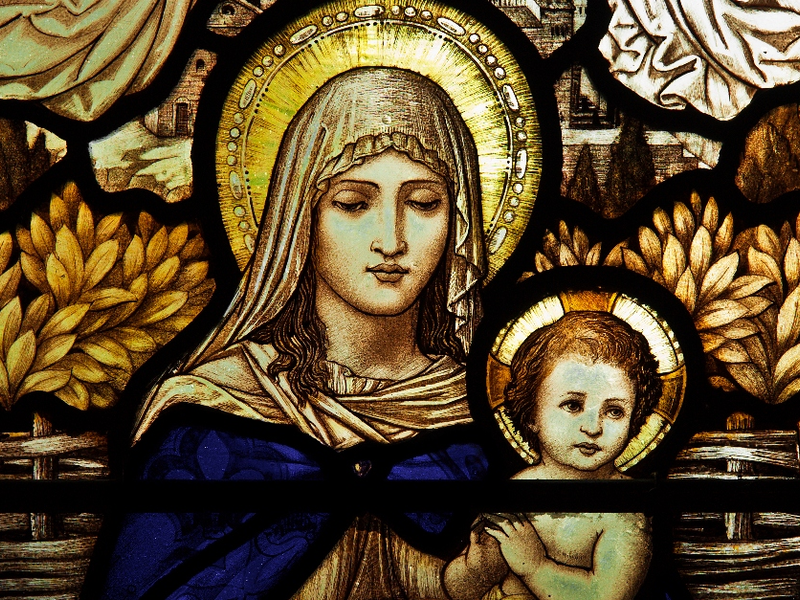
The Universality of Mary’s Wound

And Simeon blessed them and said to Mary his mother, “Behold, this child is set for the fall and rising of many in Israel, and for a sign that is spoken against and a sword will pierce through your own soul also, that thoughts out of many hearts may be…

by Garrett SoucyJanuary 4, 2022
heartierhymnals-stockimage
Music

An Argument for Heartier Hymnals

I was inspired to write this article after reading John Ahern’s The Case for Shorter Hymnals first published on Theopolis Institute’s website on November 16, 2021. Mr. Ahern and I are writing with different audiences and emphases in mind. I am thankful we both share a mutual desire to see…

by Jarrod RicheyDecember 30, 2021
tim-marshall-k2u71wv2ei4-unsplash-1
Biblical Studies

Image of God

If you’ve spent any time in the social-media galaxy of Christian cultural commentators, you have almost definitely run across the Latin phrase Imago Dei . It means image of God . Why they usually say it in Latin, I couldn’t tell you. We saw it in the wake of the…

by Daniel HoffmanDecember 28, 2021
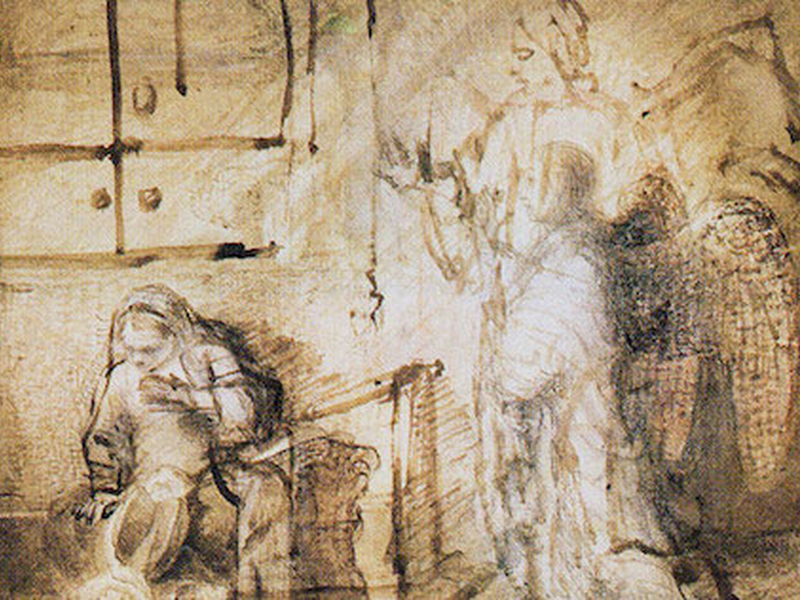
annunciation
Advent

He Comes to Make His Blessings Known: "Son of David" and "Son of Abraham" in Matthew 1:1

The Gospel of Matthew—indeed, the New Testament—begins with a list of names, and that list of names is introduced by this heading: “The book of the generations of Jesus Christ, the son of David, the son of Abraham.” Why start like this? Why “the son of David” and “the son…

by Josh JensenDecember 23, 2021
49980-nicolas_poussin_-_the_judgment_of_solomon_-_wga18330-800w-tn
Biblical Studies

On Not Needing to Cut the Baby in Half

A blade is raised. A child wails. But the brow under the crown is untroubled. Solomon knows that the raising of the sword will reveal the true parent and the identity of the son. But how did he know this? Abraham’s willingness to sacrifice Isaac certainly bears some of the…

by Jonathan WhiteDecember 21, 2021

Showing page 48 of 309

See all
See all
Literature

The shrew speaks

In an article on Taming of the Shrew , Carol Rutter points out that most shrew plays end with the shrew silenced. Shakespeare’s play moves in the opposite direction. Kate speaks a lot early, but her conversation lacks poetry and wit. Her final speech, though, is elegant and wise. In…

February 14, 2008
Literature

Romanticism and the Bible

In Natural Supernaturalism , M. H. Abrams notes the influence of the Bible on Romanticism: “A conspicuous Romantic tendency, after the rationalism and decorum of the Enlightenment, was a reversion to the stark drama and suprarational mysteries of the Christian story and doctrines and to the violent conflicts and abrupt…

February 14, 2008
Literature

Milton and Romanticism

All the English Romantics were admirers of Milton. Blake wrote a quasi-epic poem in which Milton was the title character. Wordsworth took up Milton’s prophetic mantle, and was regarded by Coleridge as the Milton of his day. Keats conceived his own poetic mission as one of surpassing Milton, and the…

February 14, 2008
History

Jihad and church socials

Sayyid Qutb was one of the architects of jihadist Islam, and his stern opposition to the West was forged during a visit to the United States in 1949. Attending a church social in Greeley Colorado, he found, in the words of Lawrence Wright, “The room convulzed with the feverish music…

February 14, 2008
History

Translation

Weigel again, quoting a 2002 study of Arab development: “the Arab world translates about 330 books annually, one-fifth of the number that Greece translates. The accumulative total of translated books [into Arabic] since [the ninth century] is about 100,000.’ More books are translated into Spanish in an average decade or…

February 14, 2008
History

Crusading explorers

Following Bernard Lewis, Weigel suggests that European expansion in the early modern period was part of “a great flanking movement in response to Islamic advances into the continent of Europe.” Lewis writes, “When Vasco da Gama arrived in Calicut he explained that he had come ‘in search of Christians and…

February 14, 2008

Showing page 1568 of 2212

Browse by Category

In Medias Res

Your weekly digest for all things Theopolis.

Donate

Theopolis is nearly 100% donor-supported. Consider joining us on our mission.