Theopolis Logo

Writing

Explore our collection of theological essays, biblical studies, and reflections on faith and culture.

See all
trnava-university-beeyeib-am8-unsplash
Biblical Chronology

Meredith G. Kline Strikes Back, Part 2

In our first essay we looked at Kline’s flawed exegesis of Genesis 2:5 as it relates to Day 3 of creation. Now we turn to Kline’s new argument against a chronological reading of Genesis 1, as found, again, in "Space and Time in the Genesis Cosmogony," Perspectives on Science and…

by James B. JordanMarch 29, 1997
30211-bathsheba-800w-tn
Hermeneutics

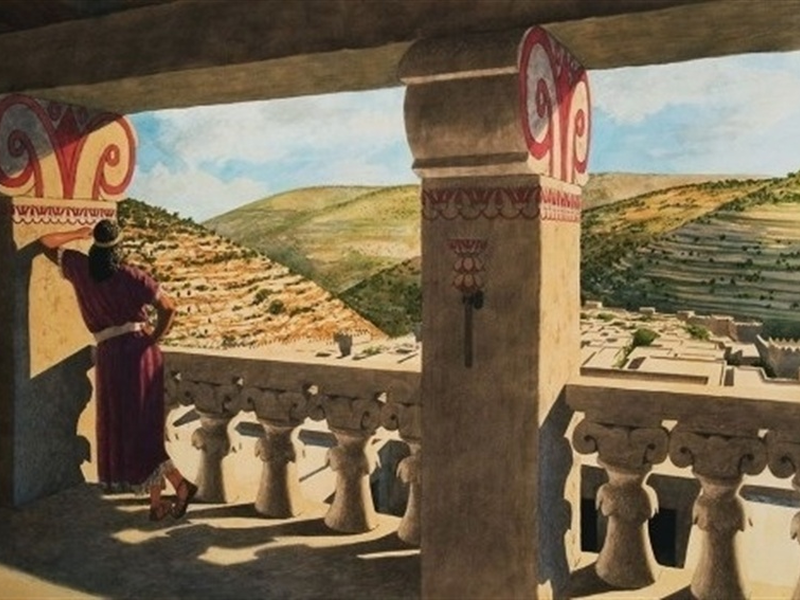
Bathsheba: The Real Story

One of the advantages of paying very close attention to the details in the Bible, especially chronological and genealogical details, is that they can shed light on situations that don’t seem to make much sense apart from them. One such situation is that of Bathsheba. It appears that Bathsheba willingly…

by James B. JordanMarch 28, 1997
jonathan-cooper-ygxq7hfdjzq-unsplash
Church Calendar

Is the Church Year Biblical? | A Parking Lot Parable

Once upon a time, Jeff Meyers and Tony Rollins–old friends who had not seen each other for a few years–met in the parking lot of a neighborhood church. They were dropping off their pre-school children at the church for Mother’s Day Out. They were such conscientious and helpful fathers. As…

by Jeff MeyersMarch 20, 1997
annie-spratt-upxf6to3fea-unsplash
Daniel

The Allegory of Susanna

Years ago, when I was at the briefly-existing Geneva Divinity School, I taught a course in the Apocrypha. One thing that struck me at that time is that two of the stories are almost certainly religious allegories (as well as moral tales): Judith and Susanna. Since "Susanna" means "Lily," this…

by James B. JordanFebruary 28, 1997
serafima-lazarenko-_ivuwprfczi-unsplash
Biblical Horizons

A Blossom of Yahweh’s Field

Peter’s essay inspires me to write up some similar thoughts about the flower of the field. Rightly does Peter associate the almond with Yahweh’s garden, because the Garden of Eden is symbolically positioned as parallel to the Holy Place of the Tabernacle and Temple. To wit: Since Aaron’s rod blossomed…

by James B. JordanFebruary 28, 1997
trnava-university-beeyeib-am8-unsplash
Biblical Chronology

Meredith G. Kline Strikes Back, Part 1

We have had occasion to discuss the views of Meredith G. Kline previously in these newsletters, and now it is time to do so again. Kline teaches at Gordon-Conwell Theological Seminary and also at the Westminster Theological Seminaries (Philadelphia and San Diego). He is the author of some interesting insights…

by James B. JordanFebruary 28, 1997

Showing page 259 of 309

See all
See all
Literature

Sympathy for Bertram

Coleridge, on the other hand, stood up for Bertram: “I cannot agree with the solemn abuse which the critics have poured out upon Bertram in All’s Well that ends Well . He was a young nobleman in feudal times, just bursting into manhood, with all the feelings of pride of…

February 6, 2008
Literature

All’s Well?

Samuel Johnson said of Bertram in Shakespeare’s All’s Well that Ends Well : “I cannot reconcile my heart to Bertram, a man noble without generosity, and young without truth, who marries Helena as a coward and leaves her as a profligate; when she is dead by his unkindness, sneaks home…

February 6, 2008
Literature

Shakespeare the Christian

Belated help for a friend: Pastor Ralph Smith of the Mitaka Evangelical Church in Tokyo has produced an course entitled “Shakespeare the Christian.” The lectures cover Shakespeare’s debts to Christianity and his use of the Bible, and then analyze 10 of the plays in detail. Ralph has done his homework,…

February 6, 2008

Universal choir

Augustine on Psalm 149: “Chorus Christi jam totus mundus est.” Christ’s choir is now the whole world.

February 5, 2008
Theology

Augustine, postmodern cynic

Behind Varro’s classification of Roman religion into mythical, natural, and civic, Augustine discerns an interest, and a political one. Varro speaks harshly about the mythic or fabulous religions, for violating the dignity of immortal gods. Yet, the classification system serves to protect civic religion from similar condemnation. On Augustine’s reading,…

February 5, 2008
Politics

Musical city

Augustine quotes Cicero saying, “quae harmonia a musicis dicitur in cantu, eam esse in civitate concordiam.” That is, somewhat loosely, “what musicians call harmony in singing is concord in the city.”

February 5, 2008

Showing page 1572 of 2212

Browse by Category

In Medias Res

Your weekly digest for all things Theopolis.

Donate

Theopolis is nearly 100% donor-supported. Consider joining us on our mission.